 EN
EN

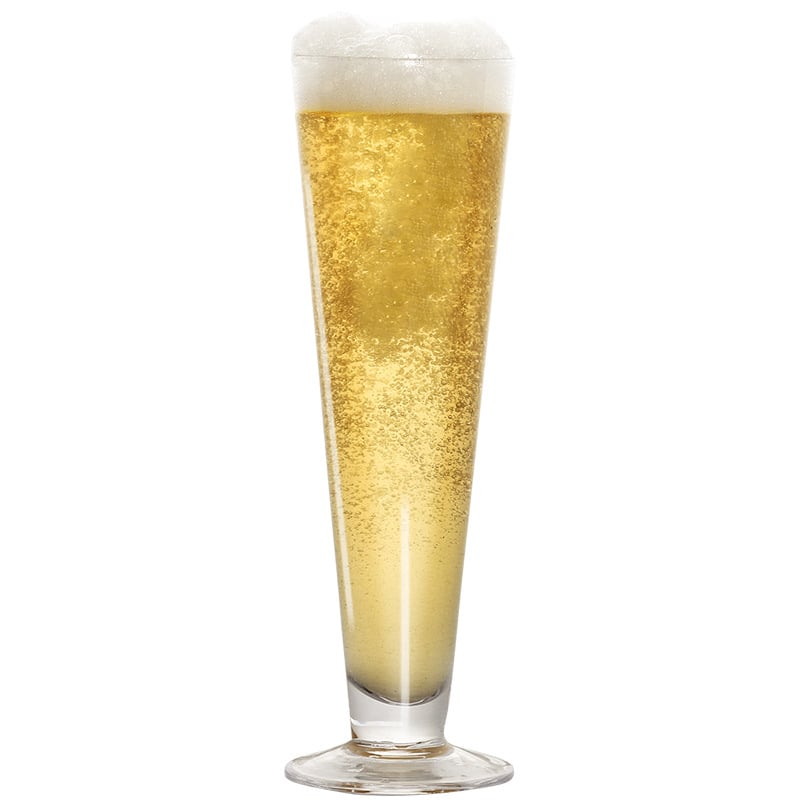
How Beer Glass Thickness Influences Temperature Control
Thermal Conductivity: Thin vs. Thick Glass
The thickness of a beer glass really matters when trying to keep drinks at the right temperature. Thin glasses have less thermal mass so they warm up or cool down much faster than thicker ones. This makes all the difference for people who care about how their beer tastes. Take IPAs for example they need to be colder than stouts which are better served warmer. Studies actually show that getting the temperature right brings out better flavors in most beer types. One study found that beers drunk at their proper temps just taste better overall. Thick glasses hold onto heat way longer though, which means the beer might get too warm as it sits. Knowing how different glasses affect temperature helps anyone wanting to enjoy their favorite brews exactly how they should be enjoyed.
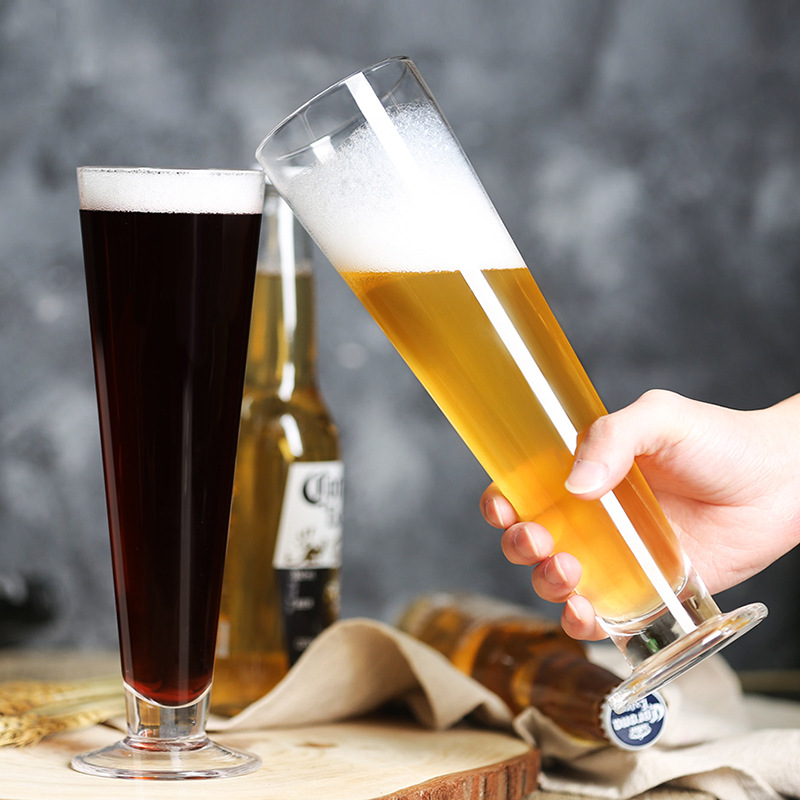
Why Thin Walls Cool Faster (And Why It Matters)
Glasses with thin walls cool drinks faster because they transfer heat better, making for a much better drinking experience when it comes to beer. The physics behind this means that thinner glass lets heat escape quicker, something that really matters for certain beer types. Lagers and IPAs with those nice fruit and flower aromas work best when chilled properly. Brewers and folks who study beverages agree that keeping beers at the right temperature is crucial if we want them to taste how they were meant to be enjoyed. Most people actually notice the difference too. When served at proper temps, beers just taste better, which shows why glass thickness plays such an important role in how good our favorite brews actually are.
Plastic Cups vs. Glass: Insulation Limitations
Most folks grab plastic cups for backyard beer sessions or quick drinks at bars, but let's face it they just don't keep drinks cold like glass does. The problem is plastic doesn't insulate well at all. A warm hand on the cup and suddenly that nice chilled beer starts warming up fast, ruining what makes craft beers so special. Who wants to sip something that's lost its crispness? Glassware keeps things at the right temperature much longer, which is why serious beer enthusiasts always reach for glasses during tastings or when hosting friends who appreciate good brews. If preserving flavor matters even a little bit, glass should be the go to option no matter if it's just hanging out with buddies or showing off a fancy selection of local microbrews.
Thickness and Its Impact on Aroma & Flavor
Head Retention: The Role of Glass Density
How thick a beer glass is makes a real difference when it comes to keeping that foamy head on top, something that actually impacts how we taste the beer and enjoy our drink overall. Most folks have noticed that those heavier glasses tend to hold onto their heads better than thin ones, especially important for darker beers such as stouts where the head really helps bring out all those rich chocolate and coffee notes. The brewing community knows this too - thicker glassware keeps the head intact much longer, so the beer doesn't lose its aromatic qualities during tasting. When professionals evaluate beers at competitions or in bars, they pay close attention to what kind of glass is used because getting that right head formation matters a lot for properly assessing all aspects of the beer's character.
How Thin Glass Enhances Volatile Aromas
Thinner glasses actually work better for letting those beer smells come out fast, which makes the aroma stronger when you drink it. People who make beer and folks who really love drinking it will tell stories about how using thinner glasses just plain tastes better. Take IPAs and Belgian beers for example these types really show off their flower and fruit flavors when served in thinner glassware. The shape and thickness somehow let your nose catch those scents right away, and that definitely changes how the whole beer tastes in the mouth. Most craft beer fans have probably noticed this difference at some point, even if they couldn't explain why exactly it happens.
Over-Insulation: When Thick Glass Mutes Flavor
Thick glassware isn't always ideal for enjoying certain beers either. The extra thickness acts like a barrier between the drinker and the beer's aromas, something really important for tasting properly. Many craft brewers have noticed this issue particularly with lighter beers such as lagers and American pale ales where those delicate hop notes just don't come through as well in heavy pint glasses. People who regularly visit breweries report missing out on subtle flavors when drinking from thick mugs compared to standard thin-walled glasses. For best results, most beer enthusiasts still prefer traditional glassware that allows full expression of both aroma and flavor characteristics.
The Heft of Thick Steins and Beer Mugs
There's something about the heft of those thick steins and beer mugs that really affects how good the whole experience feels when someone is drinking from them. Back in the day, people used to see these heavy drinking vessels as signs of lasting quality and celebration, especially at places like German beer halls or during Oktoberfest events where they'd clink glasses all night long. These days though, folks seem to be going for lighter glassware because it's easier on the hands and looks nicer on tables. Still, plenty of people miss the old school feel of holding onto something substantial in their palms. Research into ergonomics actually shows most consumers prefer the way heavier mugs feel against their fingers, which makes sense since there's definitely a connection between how much a glass weighs and how nice it tastes while drinking. Some pubs even report customers come back specifically asking for those classic thick mugs despite having lighter options available.
Delicate Handling of Thin Tulip Glasses
Tulip glasses are pretty elegant things really, though they need gentle treatment since they're so thin. They definitely make drinking beer look better than just any old mug would. Their narrow shape helps trap those nice beer smells right at the top, which makes everything smell stronger when you take a sip. Plus, who doesn't want something that looks good on their bar counter? People who love beer tend to talk about how comfortable it feels sipping from one of these glasses too. The flavors seem to come through differently somehow, maybe because the beer warms up just right as you drink it. For serious beer fans, tulip glasses have become sort of a status symbol in some circles. They represent both practicality for enjoying different types of brews and that extra touch of class that turns simple drinking into an actual experience worth savoring.
Nonic Pint Design: Balancing Thickness and Grip
The nonic pint glass strikes just the right balance between sturdy construction and comfortable grip, which makes drinking beer from it both enjoyable and practical. These glasses are everywhere in pubs and bars because they actually work well. The distinctive bulge at the top helps prevent chips and cracks, plus they stack neatly behind the bar. Look around any pub and chances are good these will be what's lined up waiting to serve customers. Both regulars and bartenders appreciate how easy these glasses are to hold and handle throughout their busy shifts. From IPAs to stouts, nearly every type of beer finds its way into a nonic pint, which explains why this particular glass has become practically standard equipment in places where good beer meets thirsty patrons.
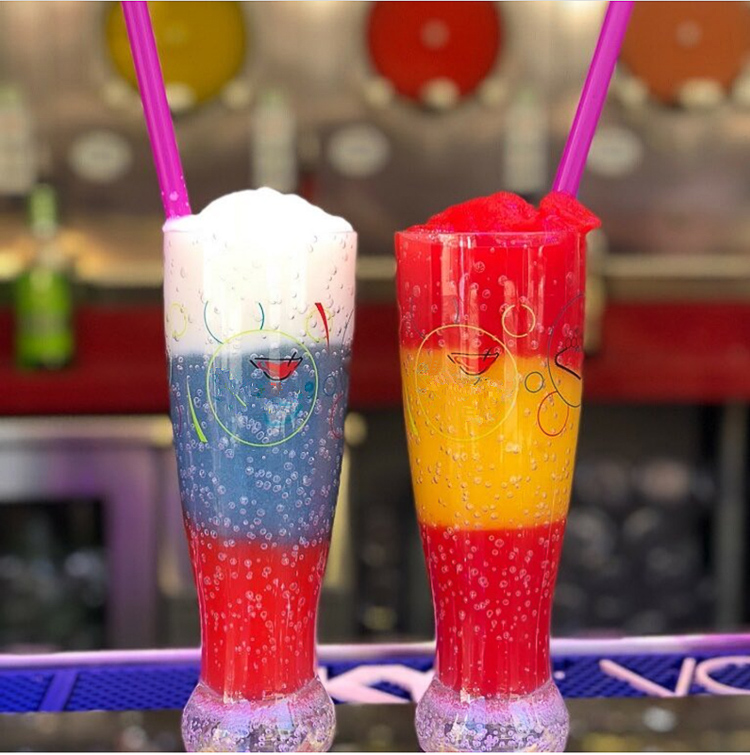
Material Comparisons: Glass vs. Plastic & Alternatives
Why Plastic Coffee Cups Fail for Beer
Coffee cups made of plastic work great for hot drinks but are terrible for beer. The problem is that plastic tends to soak up flavors, which changes how the beer tastes. Plus, plastic doesn't keep things cold very well so beer ends up getting warm and just feels bad to drink. Material scientists have pointed out that certain plastics actually release small amounts of chemicals into whatever they hold, messing with the flavor even more. When people compare drinking beer from glass versus plastic containers, most find the plastic version disappointing. That's why serious beer drinkers care so much about what their drink comes out of glassware makes all the difference in experiencing both the taste and smell of good beer.
Slush Cup Lessons: Thermal Tradeoffs
Looking at slush cups reveals why their thermal characteristics matter so much when serving beer. These cups work great for keeping drinks super cold, which is why they're popular for frozen beverages. But there's a catch when it comes to beer specifically. The cups tend to hold onto the cold way too well, sometimes turning the beer into something closer to slush than actual drinkable liquid. A lot of folks who've tried this complain that their beer loses all its flavor because it gets so icy. We ran some tests where people actually sampled beers from different containers, and almost everyone preferred something that kept the beer chilled just right without freezing it solid. The takeaway here? Getting the right kind of cup makes all the difference in how good the beer tastes and feels in the mouth.
Double-Walled Glass Innovation
Double walled glasses are changing how we keep our beer at just the right temperature. The trick is simple really there's air trapped between those two layers of glass which acts as insulation. This stops condensation forming on the outside while keeping drinks colder for longer without resorting to heavy thick glassware that feels awkward in hand. Craft breweries across the country have jumped on board with this trend, especially since bar owners tell us customers love them both for looking good and working well. Look at any modern taproom and chances are they'll be using these special glasses. We've seen firsthand how satisfied customers get when served in proper double walled mugs, making the whole drinking experience better from first sip to last.
Matching Thickness to Beer Styles
Thick Goblets for Stouts and Barrel-Aged Ales
Thick goblets work really well for those heavy beers we love - think stouts and those aged ales in barrels. They keep the drink at just the right temp so all those complex flavors come through properly. The walls on these glasses are pretty substantial too, which means our beer stays cool enough without getting watered down. Places like Guinness actually tell customers to grab one of these big glasses when enjoying their famous stout. There's something about how the aroma fills up the space inside that glass which just makes everything taste better. And according to folks who know what they're talking about behind the scenes at breweries, thicker glassware really does make a difference. It lets those richer brews open up over time, settling nicely between sips so every mouthful feels worth waiting for.
Thin Pilsner Glasses: Crisp Lagers Demand Delicacy
Lagers, especially pilsners, really shine when served in those slender glasses we all know. These thin vessels do wonders for maintaining that crisp character and letting the flavors come through clearly. The shape of traditional pilsner glasses actually helps showcase how clear the beer looks while also doing a better job at keeping it cold throughout the drink. Most experienced brewers will tell anyone who asks that picking the right glass matters a lot for these beers. They want to make sure all those subtle notes don't get lost. Thick glasses just aren't ideal here because they tend to mute what makes pilsners special, and honestly, nobody wants their beer tasting flat after only a few sips.
The Universal Middle Ground: Classic Pint Glasses
Pint glasses have become pretty much standard in bars across the globe because they work so well with almost any kind of beer out there. Their simple shape lets them handle everything from hoppy IPAs to smooth lagers without messing up the smell or taste experience. Back in the day, these were just plain old drinking vessels, but over time they've grown into symbols of beer itself. Most folks grab a pint when they want something casual at the bar, and breweries love them too since they fit most beers nicely. People keep going back to pint glasses mainly because they're easy to use and work with pretty much whatever beer comes through the tap.
Table of Contents
- How Beer Glass Thickness Influences Temperature Control
- Thickness and Its Impact on Aroma & Flavor
- The Heft of Thick Steins and Beer Mugs
- Delicate Handling of Thin Tulip Glasses
- Nonic Pint Design: Balancing Thickness and Grip
- Material Comparisons: Glass vs. Plastic & Alternatives
- Matching Thickness to Beer Styles