 EN
EN

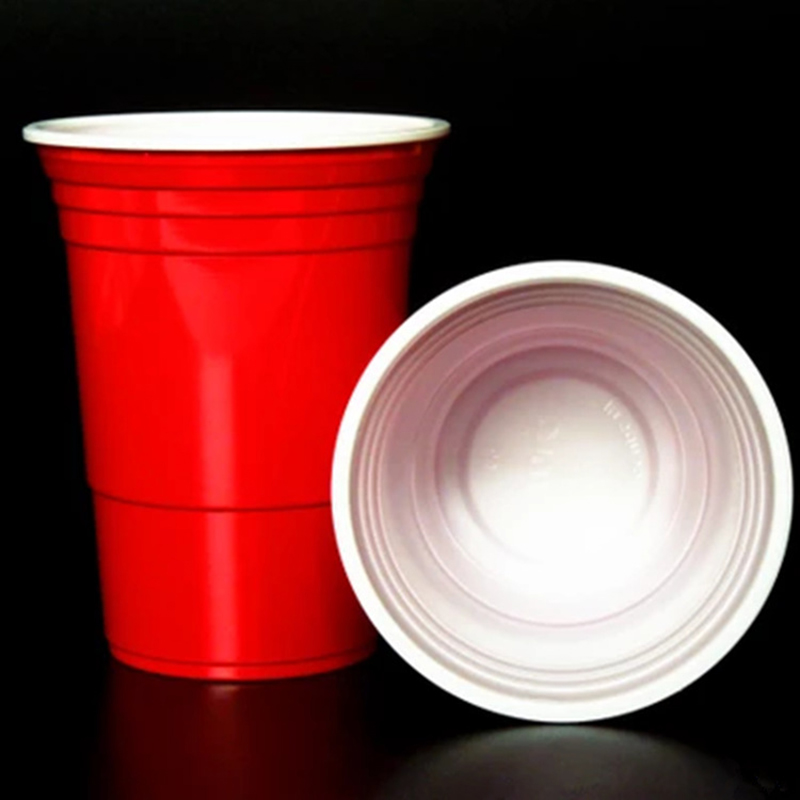
The Rise of Durable Disposable Drinkware in Outdoor Gatherings
When hosting outdoor events, good drinkware is essential something that balances ease of use with dependable performance. According to recent data from the Packaging Sustainability Report, about 43% of those traditional plastic cups used at American pool parties have been swapped out for PET cups since 2022. These cups solve real problems people face when planning gatherings they won't shatter if dropped and can be stacked neatly without taking up too much space. Paper cups tend to get soggy in hot weather, and regular plastic ones often crack when bumped around. PET material stays strong throughout the day but still weighs about 30% less than other options on the market. That makes all the difference for anyone trying to haul cases of drinks across lawns or down to sandy shores.
Shatter-Resistant Performance in Real-World Settings: Pool Parties and Barbecues
A beach club in Florida put over 500 cups through their paces every day last summer and found something interesting. The PET cups barely cracked at all, breaking less than 1% of the time compared to those acrylic ones that shattered about 12% of the time. Why does this happen? Well, PET material is just more flexible at a molecular level. When someone drops these cups on concrete walkways or accidentally crushes them while packing coolers, they tend to bend rather than shatter. Same thing happens when staff stack them fifty high for buffet lines without worrying about them toppling over. And let's not forget the numbers behind it all. PET has this impressive tensile strength rating around 18,000 psi. That means even if some guest knocks one over near the pool area, there won't be dangerous glass-like pieces floating around like we sometimes see with other materials.
Key Advantages Over Glass and Traditional Plastic Cups
PET party cups outperform alternatives through three critical attributes:
| Factor | PET | Glass | Traditional Plastic |
|---|---|---|---|
| Breakage Risk | Near-zero | High | Moderate |
| Weight (16oz cup) | 15g | 200g | 20g |
| Recyclability | #1 plastic (97%) | Not recyclable | Often #6 plastic |
This combination makes PET ideal for venues banning glass, while offering better safety and waste compatibility than cheaper plastics.
How PET Balances Reusability and Disposability for Convenience
Even though PET is meant for one-time use, most people find they can actually reuse these cups 3 to 5 times without them falling apart, which works pretty well for those long weekends at festivals or outdoor gatherings. Campsite staff tell stories about how they wash and reuse PET cups again and again during back-to-back barbecues, taking advantage of the fact that these cups survive dishwashers just fine before eventually getting recycled. The numbers show something interesting too – camps using this mix of reuse and recycling cut down on cup waste by around 40% compared to places that just throw everything away after one use. And best of all, it doesn't create the same headache as trying to clean up all the regular reusable mugs and plates that tend to collect grime and require constant scrubbing.
Material Science Behind PET Plastic Cup Durability
Understanding PET: A Strong, Food-Safe Material for Beverage Packaging
Polyethylene Terephthalate, commonly known as PET, offers a great mix of transparency, durability, and resistance to chemicals, which is why it works so well for holding beverages. The material has a density around 1.31 grams per cubic centimeter and melts at temperatures over 250 degrees Celsius (that's about 482 Fahrenheit). These characteristics help keep PET containers intact even when holding fizzy drinks or those with acidic content. What makes PET really stand out though is how stable its molecules are, so nothing tends to seep into the contents inside, something that satisfies the strict requirements set by the FDA for food contact materials. Recent studies from 2024 showed interesting results too: PET was found to fight off bacteria growth roughly 34 percent better than polystyrene when exposed to moisture outdoors, making it particularly suitable for keeping things hygienic during festivals or sporting events where drinks are served outside. Many top producers have started switching to PET for their food safe drinkware options because not only does it perform well, but it can also be recycled multiple times, helping companies address growing concerns about environmental impact.
Impact Resistance and Flexibility: Why PET Won't Crack Under Pressure
The semi crystalline nature of PET means it can soak up shocks without breaking apart, which makes all the difference at busy events where things get bumped around. According to tests published by Packaging Digest last year, these plastic cups actually hold up against impacts about five times better than regular polystyrene ones before showing any cracks. What's really impressive is how much this material can bend and stretch, sometimes expanding as much as three times its original size when pressure hits it. That flexibility keeps drinks inside even if someone accidentally knocks them over during a party. Event organizers report that this durability cuts down on cleanup work by roughly 20 minutes for every hundred people attending a gathering. Plus, PET works well in pretty extreme conditions too. Whether serving icy cold drinks straight out of freezers or hot beverages in summer weather, these containers stay intact between temperatures ranging from minus 40 degrees Fahrenheit right up to 160 degrees Fahrenheit.
Comparing PET to Polystyrene and Other Plastics in Party Cup Applications
| Property | PET | Polystyrene (PS) | Polypropylene (PP) |
|---|---|---|---|
| Impact Resistance | Excellent (flexes) | Poor (shatters) | Good (flexes) |
| Temperature Range | -40°F to 160°F | 32°F to 140°F | -4°F to 212°F |
| Clarity | Crystal-clear | Translucent | Opaque |
| Recyclability | Widely accepted | Limited programs | Regionally dependent |
PET outperforms PS in durability and aesthetics, while offering superior clarity and stacking stability over PP. For cold beverages, PET's oxygen barrier extends freshness 15% longer than PP.
Eco-Friendly Benefits and Sustainability of Recyclable PET Party Cups
Recyclability and Circular Lifecycle of PET Plastic
Closed loop recycling works pretty well for PET plastics, and around 30 percent gets turned back into food grade materials each year according to PETRA's latest report from 2023. What makes PET stand out is how stable it stays at the molecular level, so it can actually be recycled again and again without losing any quality as long as it gets sorted correctly. This stands in contrast to something like polystyrene that tends to break down after just two or three recycling cycles. Most people in the industry point to PET's ability to work with regular curbside recycling systems as one reason why it remains the top recycled plastic worldwide. The Environmental Protection Agency reports a recovery rate of about 57% for PET in their 2023 statistics, making it clearly ahead of other plastic types in terms of recyclability.
Lower Carbon Footprint in Production and Transportation
PET manufacturing uses 20% less energy than polystyrene production (Plastics Europe 2023), while its lightweight design cuts transportation emissions by up to 40% compared to glass. Thinner walls reduce raw material use—a 16g PET cup delivers the same strength as a 22g polypropylene equivalent—further lowering shipping weight and environmental impact.
Addressing the Sustainability Debate: Disposable vs. Reusable Trade-offs
Reusable cups definitely have their advantages over time, but PET disposable cups actually work better for those big outdoor events where people come and go. According to a study from 2023, PET produces about half as much carbon dioxide as ceramic cups if they're only used around 50 times, which happens quite often at casual get togethers. Event organizers who want something both practical and somewhat green will find PET useful because it can be recycled. This helps cut down on waste since regular plastic cups end up in landfills roughly 79% of the time, according to Greenpeace research from last year.
Design Features That Improve Portability and User Experience
Lightweight Build for Easy Transport and Bulk Handling
PET party cups are about thirty percent lighter than glass but still hold up pretty well, making them much easier to haul to those outdoor events we all love so much. When stacked together properly, they take up around forty percent less space in the back of a truck compared to those stiff alternatives on the market. That means fewer trips for catering services heading out to backyard BBQs, family picnics, or weekend pool gatherings. Plus, because PET is somewhat flexible, these cups don't get crushed or bent while being transported from point A to point B. Most folks just want their cups to show up looking good and ready to fill with drinks when they reach the destination.
Leak-Proof Lids and Ergonomic Shapes for Active Outdoor Use
The advanced injection molding process produces those nice tapered edges that keep snap-on lids firmly in place, creating a seal that stops spills even when someone's tossing a ball around at the pool. We've also added these angled grip areas along the sides of the cup itself. They really help fight off that annoying slipperiness from condensation, something anyone who's ever held a cold drink on a hot day knows all too well. And let's not forget about comfort either. The way these cups are shaped just fits naturally in most hands, so people can grab them easily with one hand while juggling kids or snacks at packed events without dropping anything.
Best Use Cases: Serving Cold Drinks at High-Traffic Outdoor Events
Ideal for Barbecues, Pool Parties, and Picnics with Kids and Guests
PET party cups really shine when there's bound to be spills and drops everywhere. They won't shatter into sharp pieces like glass does, which makes all the difference at pool parties or anywhere kids might be running around. According to research from last year's Outdoor Beverage Study, nearly nine out of ten event organizers look for light yet tough drink containers whenever they host something bigger than fifty people. PET materials actually weigh about 25 percent less than those reusable plastic options most folks go for these days. Plus, these cups can take quite a beating against concrete or asphalt without breaking, so they work great even at the messiest backyard bash imaginable.
Performance in Heat and Humidity: Staying Intact When It Matters Most
PET can hold its shape even when temps hit around 104 degrees Fahrenheit (or 40 Celsius), which beats out those polystyrene cups that tend to melt or release unwanted chemicals when left in the sun. Another plus is how PET doesn't soak up water, so no more dealing with those annoying wet walls that ruin drinks like poolside margaritas or cold iced tea. Real world testing indicates these PET cups stay dry and intact for about six to ten hours straight, even on hot days. That actually lines up pretty well with most outdoor events where people don't want to keep grabbing new cups every few minutes.
FAQ Section
Why are PET cups better than traditional plastic cups for outdoor events?
PET cups are flexible, shatter-resistant, and can endure drops and bumps better than regular plastic cups. They're lighter, stack easily, and don't tend to crack, making them ideal for outdoor events where such incidents happen more frequently.
Can PET cups be reused?
While PET cups are designed for single-use, many find they can be reused 3 to 5 times due to their durability. Campsites and festivals often utilize this reuse strategy before recycling them.
What makes PET cups environmentally friendly?
PET cups are highly recyclable and have a lower carbon footprint compared to other materials such as glass or polystyrene. Their production uses less energy and results in less transportation emissions.
How do PET cups perform in extreme weather conditions?
PET cups remain intact under a wide temperature range from -40°F to 160°F, making them suitable for various environmental conditions without compromising their integrity.
Table of Contents
- The Rise of Durable Disposable Drinkware in Outdoor Gatherings
- Shatter-Resistant Performance in Real-World Settings: Pool Parties and Barbecues
- Key Advantages Over Glass and Traditional Plastic Cups
- How PET Balances Reusability and Disposability for Convenience
- Material Science Behind PET Plastic Cup Durability
- Eco-Friendly Benefits and Sustainability of Recyclable PET Party Cups
- Design Features That Improve Portability and User Experience
- Best Use Cases: Serving Cold Drinks at High-Traffic Outdoor Events
- FAQ Section