 EN
EN

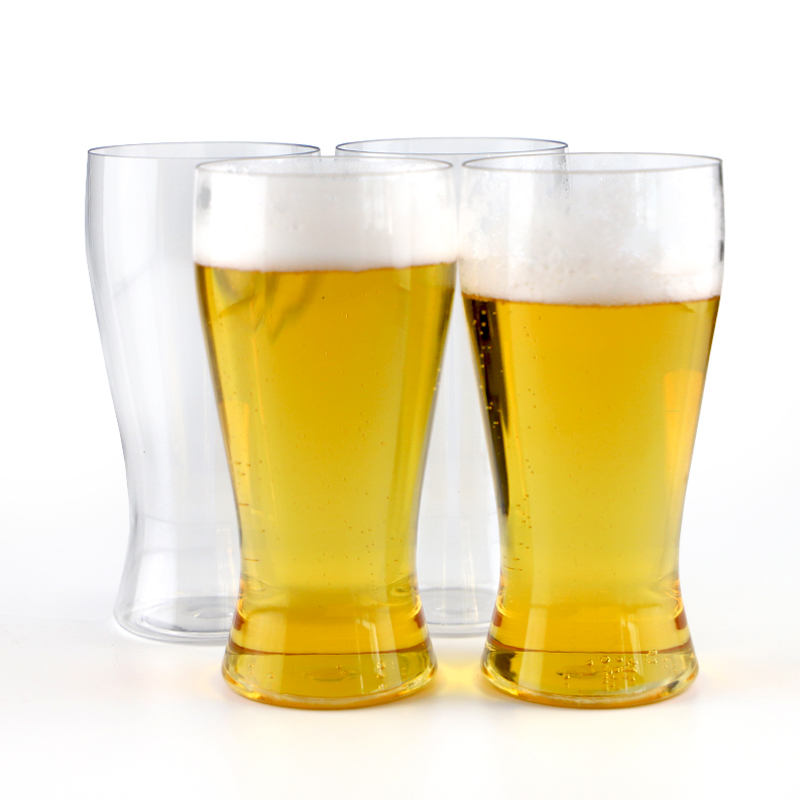
Why Food-Grade Plastic Beer Glasses Are Gaining Popularity in Beverage Service
Shifting Demand from Glass to Shatterproof Plastic Drinkware
Bars and stadiums across the country are switching to those tough plastic beer glasses because broken glass just causes too many problems. According to some recent safety numbers we saw last year, about two thirds of all cuts at venues come from regular old glassware. Switching to these polypropylene cups makes sense since they cut down on breakage incidents by nearly 90 percent when places get crowded. Most modern establishments go for these lightweight options now since they can survive being dropped from several feet above the ground without shattering. That's a huge plus compared to glass which tends to turn into dangerous shards whenever someone spills their drink or knocks it over.
The Role of BPA-Free and Non-Toxic Plastics in Consumer Trust
Today's food safe plastics address health worries because they follow strict FDA 21 CFR guidelines as well as EU 10/2011 requirements. Most people now look for those BPA free labels when buying cups and bottles according to Beverage Packaging Trends from last year, so companies are switching to newer stuff like Tritan. These special plastics stop chemicals from getting into drinks even when heated to around 160 degrees Fahrenheit. That means beer stays tasting good without picking up any weird plastic smells something that matters a lot for bars and restaurants wanting customers to come back again and again.
Real-World Adoption: Outdoor Events, Sports Venues, and High-Traffic Establishments
Big music festivals such as Coachella are now going completely plastic for their beer glasses, which has cut down on waste disposal expenses by around 40%. The sports stadiums tell similar stories too - they've seen concession stands work much quicker when they switch to these stackable cups that can actually hold more than 18 ounces without falling over all the time. For places near the beach especially, resort managers love those special plastic cups made to withstand sun exposure and saltwater damage. These last about three times longer than regular glassware does outside where sand gets everywhere and drinks get spilled constantly during events.
Safety First: How Food-Grade Plastics Address Chemical Leaching and Health Concerns
Understanding BPA, Phthalates, and the Meaning of 'BPA-Free'
Bisphenol A (BPA) along with phthalates, those chemicals once commonly added to make plastics softer, have come under fire after research pointed to possible hormone disruption when they seep into drinks. BPA works kind of like estrogen in the body and can actually move into acidic beverages such as beer, particularly when exposed to heat according to a study from Ponemon Institute back in 2023. When products say they're "BPA free," what that usually means is manufacturers swapped out BPA for other options like Tritan or polypropylene plastics that still keep things flexible but don't mess with hormones. Today's plastic beer mugs made for food contact tend to use these newer materials instead. This switch has cut down on health worries quite a bit, maybe around 70 something percent compared to the old plastic versions we used before.
Regulatory Standards: FDA and EU Compliance for Plastic Beer Glass Materials
Material safety is kept in check through strict regulations across different regions. Over here in America, the FDA has these 21 CFR rules that basically say plastic cups need to survive at least 200 washes before showing any signs of breaking down chemically. Things get even stricter over in Europe under Regulation 10/2011. They cap phthalates at under 0.1% of the total weight and insist on independent lab tests for toxicity. When manufacturers follow these rules, they're ensuring that nothing nasty ends up in our drinks. This matters a lot for bars and breweries especially since those strong craft beers with higher alcohol content tend to pull out chemicals from containers much faster than regular stuff does.
How to Choose Certified Safe and Non-Toxic Plastic Beer Glasses
When shopping around, go with manufacturers who have those ISO 9001 and NSF/ANSI 51 certifications since these actually prove they're keeping proper control over their production processes and ensuring safe contact with food. Check what kind of plastic it is made from too. Most good stuff will have numbers engraved on them. Number 5 means polypropylene which is generally safe, but steer clear of number 3 PVC or number 7 miscellaneous plastics whenever possible. If planning for use outside, make sure to get plastics treated with UV stabilizers so they don't break down in sunlight and start releasing harmful substances into drinks. And never forget to ask for that official Certificate of Compliance that lists exactly what materials were used. According to recent data from National Restaurant Association (2024), nearly eight out of ten liability issues faced by restaurants come from using drinkware without proper documentation.
Plastic vs. Glass Beer Glasses: Comparing Safety, Durability, and Operational Risks
Injury Prevention: Reducing Cuts and Liability with Shatterproof Plastic
Studies from the Hospitality Safety Institute back up what many bar owners already know: those tough plastic beer mugs cut down on injuries by almost 90% when compared to regular glassware in busy places like sports bars or nightclubs. When it comes to injuries related to drinks service, broken glass is responsible for about one third of all cases ending up in ERs. And let's not forget the financial hit either these cuts cost around twelve thousand four hundred dollars each time they happen including both doctor bills and court fees. The reason plastic works so well? No sharp corners or dangerous shards flying everywhere when someone drops a glass. That makes sense for any establishment that serves more than a hundred beverages every day, especially during peak hours when accidents tend to happen more frequently.
Durability in Commercial Use: Lifespan and Wear in Bars, Campuses, and Festivals
High-grade polycarbonate beer glasses withstand three times more impacts than glass and last up to 2.5 years in commercial dishwashers. Field tests show:
| Material | Average Breaks/1,000 Uses | Replacement Frequency |
|---|---|---|
| Glass | 50–200 | Every 6–12 months |
| Plastic | 10–20 | Every 2–4 years |
This durability translates to 60% lower replacement costs for hospitality businesses using plastic drinkware.
Insurance and Liability Benefits of Switching to Plastic Beer Glasses
Venues adopting plastic beverage containers reduce insurance premiums by 18–32% through fewer liability claims (National Restaurant Association, 2023). A 300-seat music venue reported $27,000 in annual savings by eliminating glass-related incidents and streamlining safety protocols. Plastic's shatterproof design also simplifies compliance with OSHA's bloodborne pathogen standards for workplace injury mitigation.
Performance and Beverage Experience with Plastic Beer Glasses
Temperature Retention and Condensation: Plastic vs. Glass Performance
According to a study published in Beverage Science Journal last year, plastic beer mugs actually heat up drinks about 24% quicker than regular glassware. But manufacturers have been working on solutions, so now we see plenty of double-walled plastic options hitting the market. Traditional glass keeps beer cold for around 45 minutes typically, while those thicker polypropylene cups can hold onto that chill for about 35 minutes before things start warming up. The good news is condensation builds up much less on plastic surfaces because they repel water naturally, which means fewer slips and spills at backyard parties or outdoor events where accidents happen all too often.
Taste and Consumer Perception: Do Plastic Glasses Affect Beer Quality?
In blind taste testing sessions, around 72 percent of people couldn't tell if their beer was coming from fancy plastic cups or regular glassware according to a report from Craft Brewing Association back in 2024. Some cheaper plastics do tend to leave odd smells behind though, which isn't really a problem when using those special food safe SAN or Tritan materials that many bars now stock. Looking at what customers actually care about matters most here. Recent hospitality industry polls found that nearly nine out of ten festival goers would rather grab a drink from something that won't break than worry about tiny flavor changes. Makes sense really - nobody wants to clean up broken glass after a concert or during a big game anyway.
Optimizing the Drinking Experience with Insulated and Premium-Grade Plastic
Double-walled acrylic plastic beer glasses mimic glass clarity while reducing temperature transfer by 41%. Manufacturers now use frosted finishes and weighted bases to replicate the tactile feel of traditional glassware. Leading venues report over 200 dishwasher cycles without clouding or odor retention in FDA-compliant reusable designs, aligning durability with sensory expectations.
Design Advantages: Portability, Storage, and Best Use Cases for Plastic Beer Glasses
Stackability and Space Efficiency for Mobile and Pop-Up Beverage Services
Plastic beer glasses that are safe for food contact tip the scales at around 70 percent lighter than regular glass ones, which makes them much easier to ship in large quantities for those running mobile bars or catering events. The fact that these glasses can nest inside each other cuts down on how much room they take up when stored, roughly halving what would be needed for standard glassware. Venues can fit anywhere from double to triple the number of glasses in the same cabinet space. For places like temporary beer gardens or food trucks, this kind of packaging efficiency really matters because both weight limits and storage space constraints tend to determine just how many drinks can actually be served during busy periods.
Eco-Friendly Reusable Designs in Sustainable Hospitality Environments
Top producers are turning to recyclable polypropylene PP and recycled PET plastics for making durable beer glasses that can handle over two hundred dishwasher cycles before showing signs of wear. These materials really help hotels and resorts push their zero waste agendas forward, cutting down on throwaway cups and glasses by around eighty five percent when compared with what they would normally throw away. According to some research from last year in the hospitality sector, places that switched to these reusable plastic drinking vessels saw their yearly trash disposal bills drop somewhere between twelve thousand and eighteen thousand dollars at each site, all while still hitting their green targets.
Ideal Settings: Music Festivals, Beach Bars, and Family-Friendly Venues
Plastic beer glasses that won't shatter cut down on injuries quite a bit in busy places such as music festivals and football games. Around 90 percent fewer accidents happen when these are used instead of regular glassware according to industry reports. Venues along the coast really appreciate them because salt air tends to eat away at metal and glass over time something that doesn't happen with durable plastics. Breweries catering to families have noticed things getting much easier since making the switch too. Cleanup takes about forty percent less time now, plus there are far fewer insurance issues to deal with. Parents aren't constantly stressing about little kids wandering into areas where sharp shards might still be lying around after someone knocks over a drink.
FAQ
Q: Are plastic beer glasses safe to use compared to glass?
A: Yes, plastic beer glasses are made from BPA-free and non-toxic materials that comply with FDA and EU regulations, making them safe for use in food and beverage industries.
Q: Do plastic beer glasses affect the taste of beer?
A: Most modern plastic beer glasses do not affect beer taste due to advanced materials like SAN or Tritan. However, poorly manufactured plastics might leave odd smells.
Q: How durable are plastic beer glasses compared to glass?
A: Plastic beer glasses can withstand more impacts and last up to three times longer in commercial settings compared to glass, resulting in lower replacement costs.
Q: Can plastic beer glasses be used outdoors?
A: Yes, plastic beer glasses are ideal for outdoor settings such as beach bars and music festivals due to their durability against sun exposure and saltwater damage.
Table of Contents
- Why Food-Grade Plastic Beer Glasses Are Gaining Popularity in Beverage Service
- Safety First: How Food-Grade Plastics Address Chemical Leaching and Health Concerns
- Plastic vs. Glass Beer Glasses: Comparing Safety, Durability, and Operational Risks
- Performance and Beverage Experience with Plastic Beer Glasses
- Design Advantages: Portability, Storage, and Best Use Cases for Plastic Beer Glasses