 EN
EN

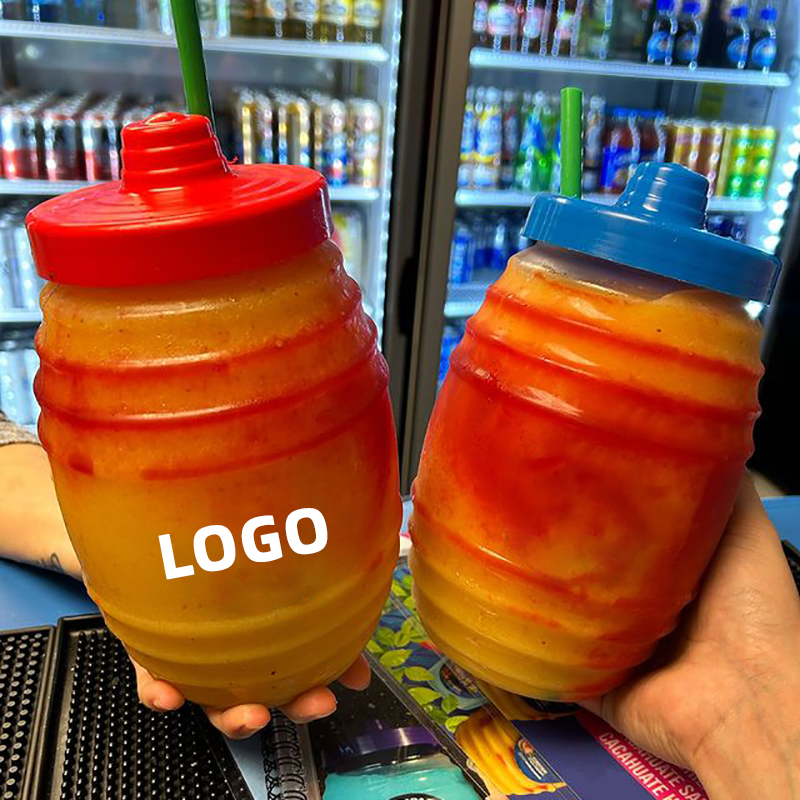
What Makes a Plastic Food-Grade? Understanding Safety Standards and Materials
Definition and Criteria for Food-Grade Plastics
Food-grade plastics are engineered to safely contact food and beverages without leaching harmful substances. They must be free from dyes, recycled materials with contaminants, and unsafe additives. These materials undergo strict testing for chemical resistance, thermal stability, and durability to ensure safety during repeated use.
FDA Compliance and Food Contact Regulations
In the U.S., the FDA regulates food-grade plastics under 21 CFR 177.1520, setting limits on chemical migration and heat resistance. Internationally, frameworks like the EU's Regulation 10/2011 impose comparable standards, requiring materials to remain inert when exposed to acidic or hot liquids critical for yard cups used at outdoor events.
Common Food-Grade Plastics: HDPE, LDPE, and Polypropylene (PP)
Three plastics dominate yard cup manufacturing due to their safety and performance:
- HDPE (#2): Resists impacts and temperature changes, ideal for iced drinks
- LDPE (#4): Offers flexibility for squeeze-friendly designs while maintaining durability
- Polypropylene (#5): Tolerates temperatures up to 212°F, making it suitable for microwave use
Decoding Plastic Recycling Numbers (#2, #4, #5) in Yard Cup Production
The resin identification code the number inside the recycling triangle indicates plastic type. For yard cups, prioritize #2 (HDPE) and #5 (PP), both BPA-free and structurally stable during extended use. Avoid #7 plastics, which may contain polycarbonates and pose higher leaching risks.
Food-Safe vs. Food-Grade: Clarifying Key Differences
All food-grade plastics are food-safe, but not all food-safe materials meet food-grade standards. Food-safe items pass basic toxicity tests, while food-grade plastics comply with certified production protocols for direct, repeated food contact without degradation. When sourcing yard cups, confirm FDA or LFGB certification to ensure true food-grade quality.
Health and Safety Considerations for Plastic Yard Cup Use
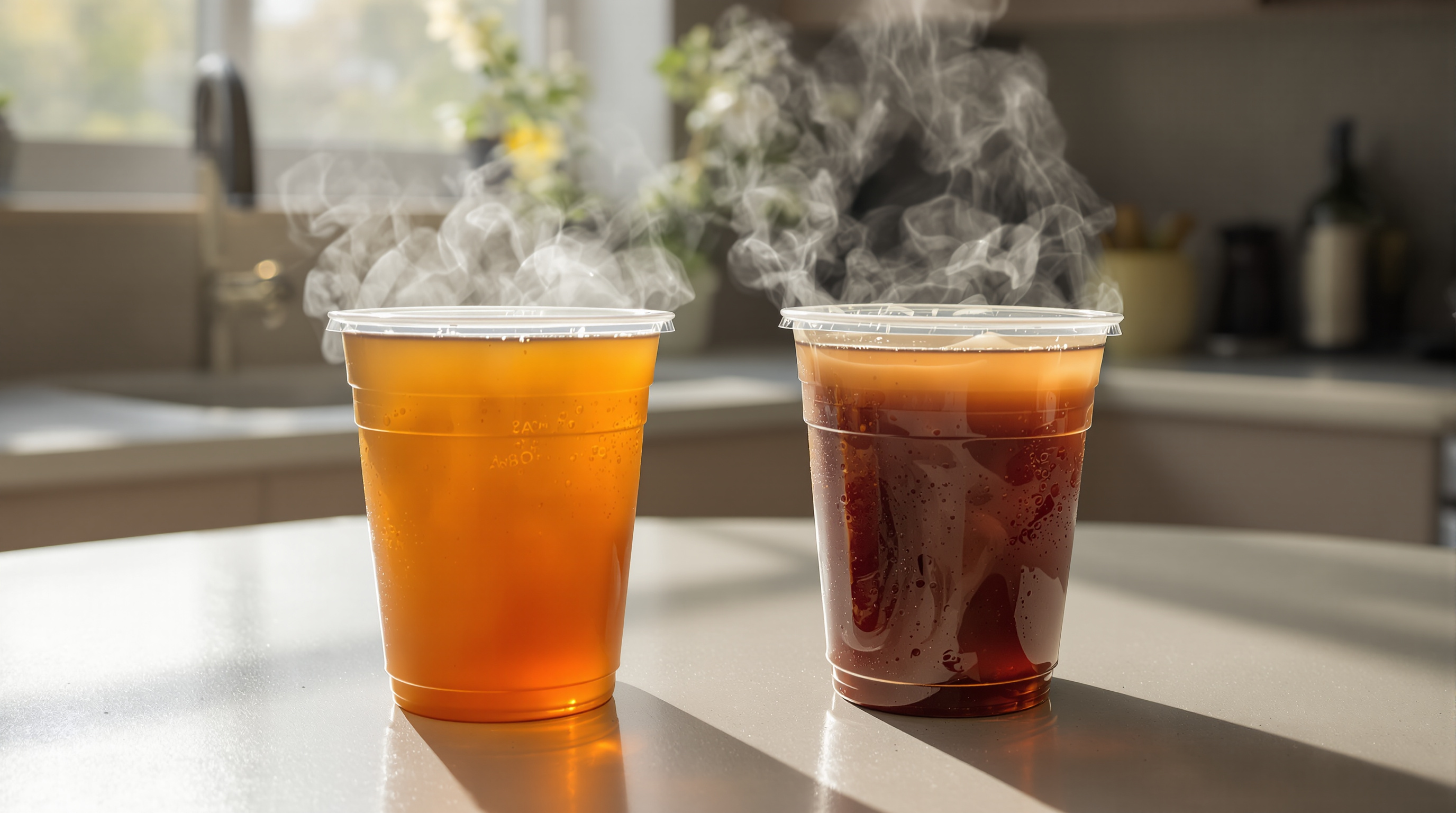
Chemical Leaching Risks in Plastic Drinkware
While food-grade plastics minimize risk, elevated temperatures can increase chemical migration. A 2023 Food Safety Report found that exposure above 140°F raises migration rates by 18 34%. HDPE (#2) and PP (#5) exhibit the lowest leaching potential due to their stable molecular structures, making them safer choices for prolonged beverage storage.
BPA, Phthalates, and Additive Safety in Food-Grade Plastics
Most modern yard cups are BPA-free, addressing over 90% of endocrine disruption concerns under FDA 21 CFR 177.1520. However, substitutes like bisphenol S (BPS) require ongoing evaluation. Independent testing shows PP cups maintain safety even after 8+ hours of contact with acidic beverages such as lemonade, confirming their reliability in real-world conditions.
Temperature Resistance and Safe Handling Practices
| Material | Max Safe Temp | Cold Retention |
|---|---|---|
| PP (#5) | 160°F | 4+ hours |
| HDPE (#2) | 145°F | 3.5 hours |
| Only microwave yard cups labeled "microwave-safe," as uneven heating can accelerate material breakdown and chemical release. |
Best Practices for Cleaning and Reusing Plastic Yard Cups
Handwash with pH-neutral detergent to preserve integrity. A 2022 NSF International review found commercial dishwashers degrade PP cups 37% faster than handwashing. After cleaning, air-dry cups completely minimum 72 hours before stacking and storing to prevent microbial growth.
Why Polypropylene (PP) and HDPE Are the Top Choices for Yard Cups
Polypropylene (PP): Durability and Reusability in Partyware
Polypropylene is ideal for reusable yard cups thanks to its heat resistance (up to 176°F/80°C) and dishwasher compatibility. As a BPA-free material, it resists warping and leaching through repeated use. Its impact resilience reduces breakage during drops, minimizing waste at high-traffic events like festivals and barbecues.
HDPE Strength and Safety for Beverage Containers
High-Density Polyethylene (HDPE) provides exceptional impact resistance, making it well-suited for busy venues. It meets FDA standards for food contact and maintains structural integrity with carbonated or acidic drinks. Research confirms HDPE retains strength through 100+ wash cycles, meeting commercial demands for durable partyware.
Comparing PP, PET, and Tritan for High-Volume Use
- PP: Offers broad thermal range (-4°F to 176°F), balancing cost and versatility
- PET: Provides crystal clarity for premium presentation but becomes brittle below 23°F
- Tritan: Delivers superior stain and crack resistance at triple the cost of PP
PP handles 90% of typical event challenges including ice expansion and accidental crushing making it the most practical choice.
Material Performance in Real-World Outdoor Conditions
PP and HDPE perform reliably across seasons, from summer heatwaves to winter tailgates. UV-stabilized variants resist embrittlement, while low moisture absorption inhibits bacterial growth essential for multi-day events. Field tests show both materials retain shape and safety after 48 hours of continuous sun exposure.
Design Features That Enhance Functionality for Large Gatherings
Optimal Size and Capacity of Yard Cups for Events
Standard plastic yard cups range from 16 oz to 32 oz, with 24 oz models being most popular for mixed drinks and nonalcoholic beverages. This capacity balances portion control with reduced refill frequency, ideal for weddings, barbecues, and tailgates. Tapered designs improve grip and reduce tipping risks.
Ergonomic Design and Spill-Resistant Properties
Modern yard cups feature ribbed bases and textured grips to prevent slippage, even when wet. Angled rims and wider mouths reduce spills by 25 40% compared to traditional stadium cups, according to the Food Service Equipment Journal (2023). These features are crucial in crowded environments where collisions are common.
Portability and Stackability for Event Logistics
Nesting designs allow 50 70% more cups per storage unit than non-stackable options, streamlining transport and setup. Lightweight HDPE and PP keep case weights under 8 lbs for 100 cups without sacrificing strength. This efficiency supports sustainability, with reusable stacks replacing disposables in 68% of surveyed event programs (Sustainable Partyware Initiative, 2024).
Sustainability, Reusability, and Environmental Impact of Plastic Yard Cups
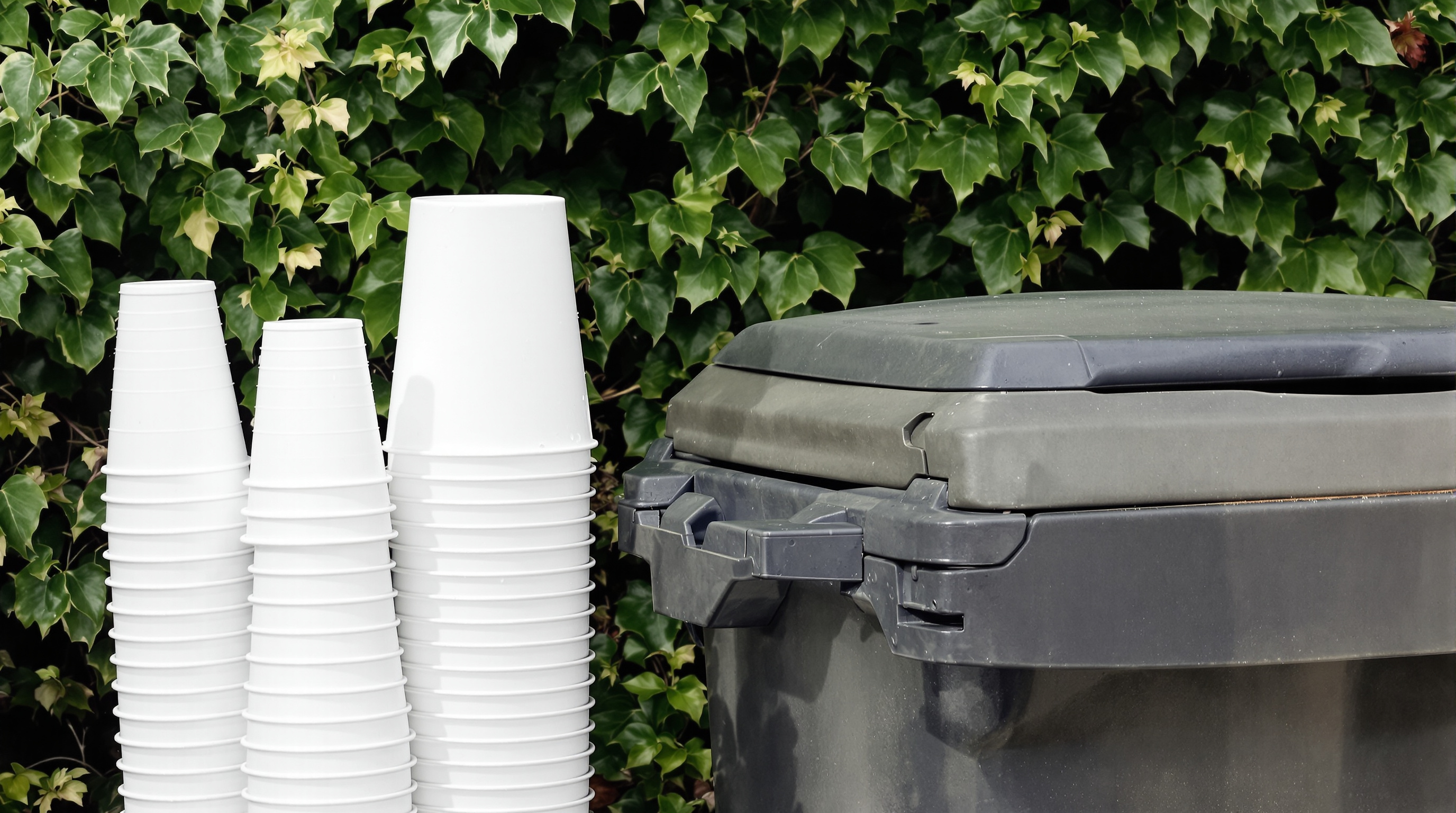
Recyclability of #2, #4, and #5 Plastics in Practice
The three main plastics we find in outdoor drink containers are HDPE (number 2 plastic), LDPE (number 4), and PP (number 5). Most American neighborhoods will take HDPE at their curb side bins these days since around 92% of collection services do. Polypropylene recycling has been growing fast lately too because it just doesn't hurt the planet as much. Some studies from last year showed that if PP gets recycled correctly, it actually creates about 28% less pollution compared to regular PET bottles. But there's still work to be done with LDPE, which only makes it into about half of all local recycling centers across the country. This shows how uneven our waste management systems really are from place to place.
Reducing Waste with Reusable Yard Cup Programs
Studies show that reusable systems can reduce single use waste by around 60 percent at big events according to Event Waste Solutions from last year. The tough plastic cups made from PP and HDPE materials actually hold up through over 100 wash cycles without warping or breaking down, which makes sense why they work so well in places like sports stadiums and music festivals where thousands need drinks at once. To get people actually using these instead of throwing away plastic after one use, organizers have found several approaches helpful. Offering cash deposits works pretty well when folks want their money back. Partnering with venues to set up central washing stations helps keep things clean between uses. And some companies are even starting to experiment with QR codes on each cup to track how many times they've been used, helping managers know when replacements might be needed before anyone notices anything wrong.
Trend Analysis: Growing Demand for Eco-Friendly Partyware Solutions
Demand for sustainable partyware has risen 40% since 2020, led by Gen Z's preference for low-waste gatherings. Brands are responding with innovations such as:
- 100% post-consumer recycled HDPE
- Plant-based additives to enhance biodegradability
- Modular designs enabling component-level recycling
This shift aligns with tightening regulations 12 states now restrict single-use plastics at public events fueling a projected $2.3 billion market for reusable partyware by 2025.
FAQ
What are food-grade plastics?
Food-grade plastics are materials designed to safely contact food and beverages without releasing harmful chemicals. They meet specific regulatory standards and testing criteria for safety.
Which plastics are commonly used for yard cups?
HDPE (#2), LDPE (#4), and Polypropylene (PP) (#5) are common due to their safety, durability, and thermal stability.
Are all food-safe plastics food-grade?
No, while all food-grade plastics are food-safe, not all food-safe plastics meet the stringent standards required for food-grade classification.
How can plastic yard cups be reused sustainably?
Utilizing reusable yard cups with proper cleaning and storage can help reduce single-use waste significantly. Programs that involve deposits and central washing facilities encourage reuse.
Is polypropylene recyclable?
Yes, polypropylene (PP) is increasingly recyclable and can produce less pollution compared to some alternatives when recycled correctly.
Table of Contents
- What Makes a Plastic Food-Grade? Understanding Safety Standards and Materials
- Health and Safety Considerations for Plastic Yard Cup Use
- Why Polypropylene (PP) and HDPE Are the Top Choices for Yard Cups
- Design Features That Enhance Functionality for Large Gatherings
- Sustainability, Reusability, and Environmental Impact of Plastic Yard Cups
- FAQ