 EN
EN

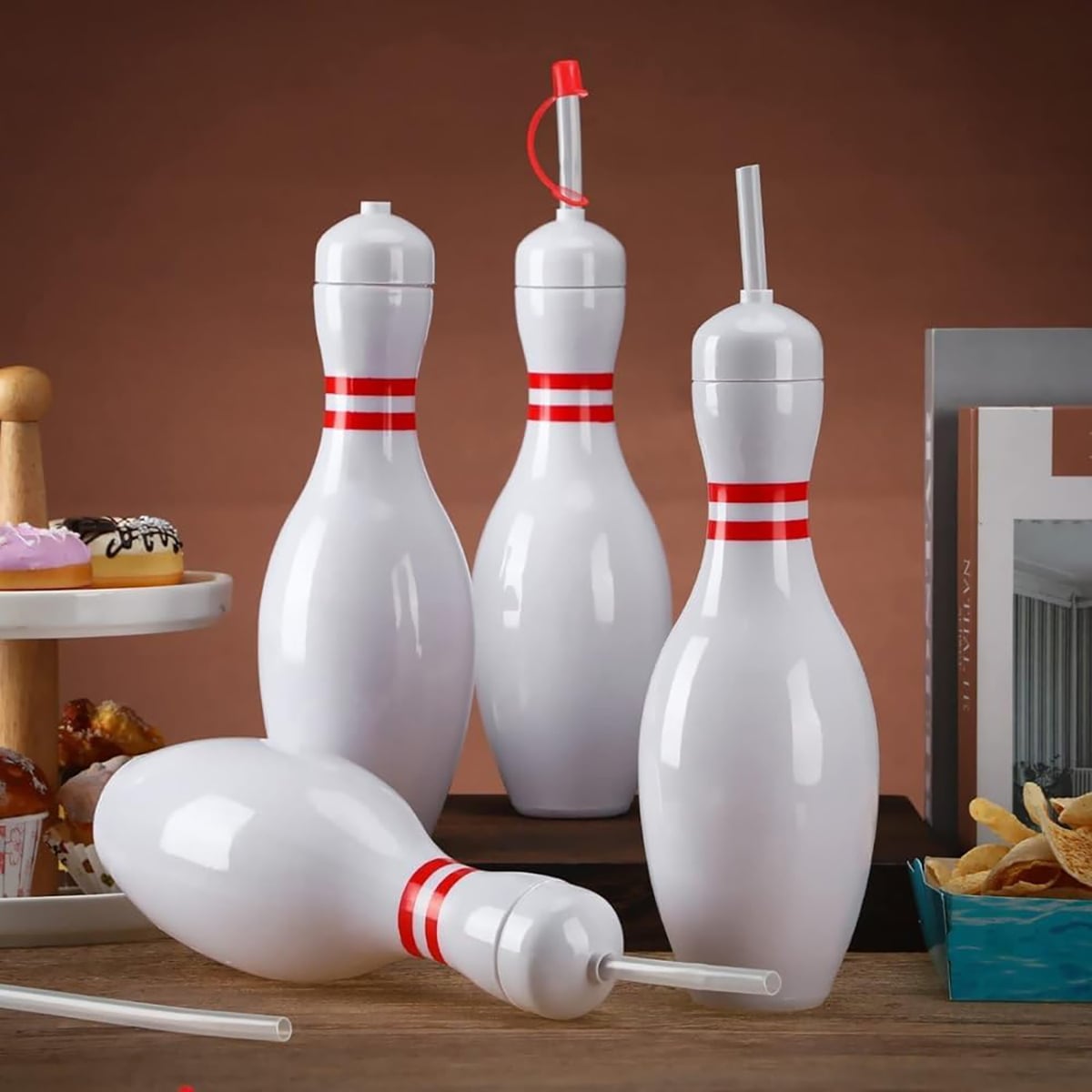
Essential Cleaning Techniques for Yard Cup Longevity
Daily Rinse Practices for Plastic Ice Cream Cups
Keeping those plastic ice cream cups looking good depends heavily on giving them a quick rinse right after every use. If we skip this step, stuff starts building up inside, eventually causing those annoying yellow spots or weird smells that nobody wants. When cleaning them regularly, warm water works wonders paired with some gentle dish soap. This combo gets rid of leftover bits without wearing down the plastic itself. Want to keep your cups looking fresh? Follow these simple steps for daily maintenance:
Rinse Immediately: After use, quickly rinse the cup with warm water to remove any remaining juice or ice cream.
Apply Soap: Use a mild soap to gently clean the surfaces inside and out.
Rinse Thoroughly: Ensure all soap residues are washed away with warm water.
Dry Properly: Use a clean, dry cloth or air drying to prevent water stains.
Studies have shown that sugar residue can have detrimental effects on plastics, leading to microbial growth or material degradation. Regular rinsing is crucial to counter these adverse effects.
Deep Cleaning Methods for Frosted and Slush Cups
Frosted and slush cups really need some serious cleaning to get rid of those tough stains and bad smells that stick around. The key thing here is to avoid anything abrasive that might scratch the cup's surface but still manage to clean it properly. Most people find great success by soaking their cups overnight in a mix of warm water and white vinegar. This combo works wonders as both a natural odor fighter and stain buster without any harsh chemicals involved. Just make sure the water isn't boiling hot when mixing with vinegar, otherwise it might warp plastic surfaces.
Prepare Soaking Solution: Mix equal parts warm water and vinegar.
Submerge Cup: Let the cup soak in the solution for 30 minutes.
Use Baking Soda: For persistent marks, sprinkle baking soda inside the cup and gently scrub with a soft brush.
Cleaning product manufacturers have endorsed the effectiveness of natural cleaning solutions like vinegar and baking soda, highlighting their ability to maintain cleanliness without damaging the material.
Avoiding Harsh Chemicals in Snack Cup Maintenance
Using harsh chemicals on plastic snack cups can pose risks such as material degradation and user health concerns. Therefore, eco-friendly cleaning alternatives are recommended to ensure the cups remain clean and safe. Opt for biodegradable cleaning products, which are both effective and gentle on sensitive plastic materials:
Choose Biodegradable Detergents: Select products designed for plastic care to avoid harmful residues.
Use Natural Cleaners: Vinegar and lemon juice can serve as natural deodorizers and stain removers.
Follow FDA Guidelines: Adhere to recommendations supporting safe cleaning methods to minimize contamination risks.
The FDA has issued guidelines encouraging the use of safe, eco-friendly cleaning practices, emphasizing the importance of avoiding chemical residue contamination in food-related products. By implementing these practices, you not only uphold hygiene standards but also contribute to environmental conservation.
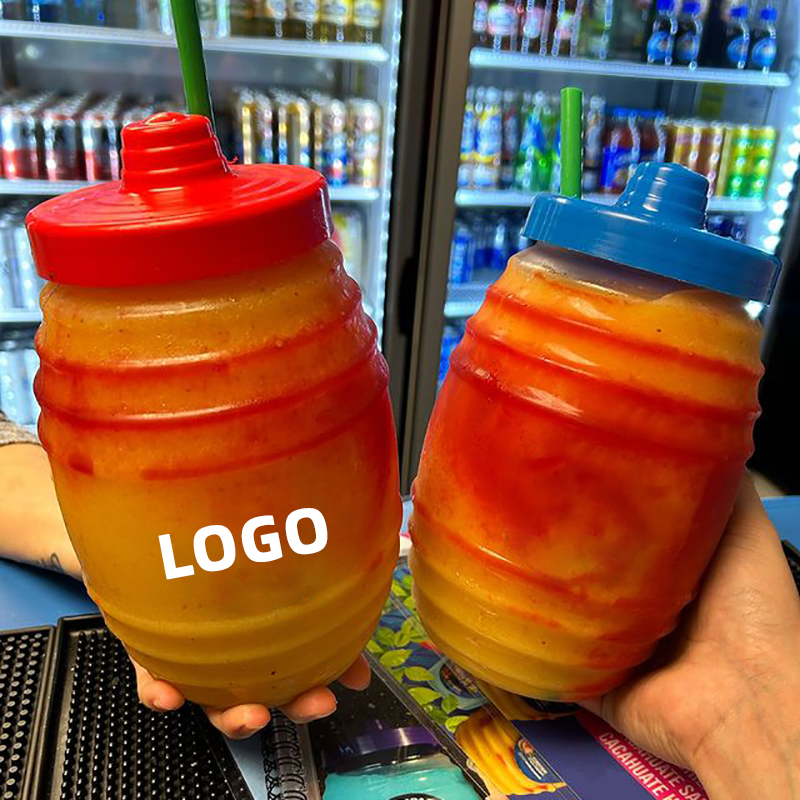
Preventing Damage Through Proper Storage
Stacking Strategies to Prevent Warping
Getting the stacking right matters a lot if we want to keep those yard cups from getting warped or bent out of shape. Most folks don't think about it much, but how they store those plastic cups makes all the difference in keeping them looking good over time. Start with bigger cups at the bottom since they handle weight better, then place smaller ones on top where there's less pressure. Nobody wants their favorite red cup squished flat after sitting in storage for months! Throw some old towels or newspaper between layers for extra protection against scratches and dents. Heat tends to soften plastics quite easily too, so make sure stacks aren't placed near radiators or direct sunlight whenever possible. These simple tricks help maintain both function and aesthetics of outdoor drinking vessels far longer than just tossing them anywhere in the garage.
UV Protection for Outdoor Cup Storage
Protecting cups from UV light matters a lot if they're going to sit outside long term. Sunlight breaks down plastic over time, causing colors to fade and materials to become brittle. The best approach? Keep them out of direct sunlight whenever possible. Shade works wonders, or look into getting covers designed specifically to block UV radiation. Checking on outdoor cups periodically makes sense too. Look for any discoloration or weakness in the material that might indicate sun damage. Remember that plastic doesn't last forever under constant sun exposure. Taking these simple steps helps preserve both appearance and functionality of those decorative drink holders scattered around yards and patios.
Moisture Control in Seasonal Storage
Too much moisture causes mold and mildew problems on cups, especially where humidity runs high. Putting silica gel packs or moisture absorbing materials inside storage spaces helps keep things dry and stops plastic items from breaking down over time. Make sure all containers have good seals so no damp air gets in during long term storage. Most professionals suggest keeping humidity as low as possible for proper cup storage. We've seen cases where even small amounts of moisture led to big issues with mold growing between stacked plasticware after just a few weeks in storage.
Material-Specific Maintenance Protocols
Plastic Cup Degradation Prevention
Most plastic starts breaking down when it gets too much sun and heat, making it brittle and changing colors over time. If someone wants their plastic cups to last longer, keeping them somewhere cool and out of direct sunlight makes all the difference. Hot water isn't great for plastic either so using lukewarm water when cleaning helps keep things flexible and looking better for longer. Yard cups made from different materials actually last different amounts of time. Polystyrene tends to wear out faster than polypropylene for instance. Knowing this stuff really matters because it means people can get more use out of what they already own. Studies show plastic breaks down way faster once temps hit around 80 degrees Fahrenheit, so storing stuff properly isn't just nice to do it's pretty important if folks want their outdoor gear to stick around season after season without turning into trash.
Maintaining Frosted Cup Textures
Frosted cups have that special matte look that makes them stand out from regular plastic ones, but they need some extra love to keep looking good. The frosted surface gets scratched easily compared to normal plastic, and those scratches just make everything look dull over time. When cleaning these bad boys, stick to gentle stuff like non-abrasive cleaners and soft cloths so the texture stays nice and smooth. Some folks swear by simple solutions like white vinegar mixed with water to bring back that original feel after it starts to wear down. Most manufacturers recommend checking on them every now and then and giving them a light polish when needed. Taking care of frosted cups this way keeps them looking fresh longer, which is why so many people still reach for them when serving cold drinks despite all the newer options on the market.
Slush Cup Freeze/Thaw Cycle Management
Slush cups tend to break down pretty easily after going through multiple freeze and thaw cycles. The constant expansion and contraction makes them crack or warp eventually. If someone wants their cups to last longer, they should let them warm up slowly before putting new slush in. This gives the plastic a chance to adjust without getting stressed out. When storing cups for seasons, keeping them somewhere where temperatures don't swing too much works wonders. Most folks who make food containers know that giving cups a head start warming up cuts down on problems later on. By following these simple steps, restaurants and vendors can keep their slush cups working properly even when weather gets extreme. A local ice shop owner told me his cups lasted twice as long once he started implementing these practices during winter months.
Seasonal Maintenance for Year-Round Use
Winterizing Techniques for Cold Climates
Getting yard cups ready for winter means giving them a good clean first, otherwise dirt builds up and might cause problems when it gets really cold outside. To protect against freezing temps, folks usually store these containers somewhere where the temperature stays stable or wrap them up in something that provides insulation. Before putting anything away though, take a close look at each cup for cracks or other signs of wear. Even small chips can turn into big issues once spring comes around and everything starts to melt. Most experienced gardeners know that doing these basic checks before storage helps their outdoor gear last much longer through multiple seasons without breaking down prematurely.
Summer Mold Prevention in Humid Conditions
When temperatures rise and humidity builds up, keeping mold away from stored cups becomes a real challenge. Good air circulation matters a lot here, so making sure storage spaces aren't sealed tight makes all the difference. We've found that checking cup storage areas every couple weeks during July and August catches problems before they start getting bad. Some folks swear by dehumidifiers placed strategically near cup stacks, especially if their facility has issues with dampness after rainstorms. The bottom line is simple enough: when cups stay dry and fresh air can move around them freely, mold just doesn't stand a chance at growing through the hottest parts of summer.
Fall Leaf Debris Removal from Cup Surfaces
It really matters to keep those cup surfaces clear of fallen leaves in autumn if we want to avoid stubborn stains and lasting damage down the road. When leaves sit on cups too long, they tend to create these tough organic stains that just won't come out easily, which definitely ruins how the cups look. The trick is finding cleaning methods that work well but don't scratch up the surface either. Most folks find it helps to check their cups regularly through fall season and give them a good clean when needed. We've seen plenty of cases where leaves and other stuff build up over time, and this actually shortens how long the cups last while making them look worse too. That's why sticking with some basic maintenance makes all the difference in keeping cups looking great year after year.
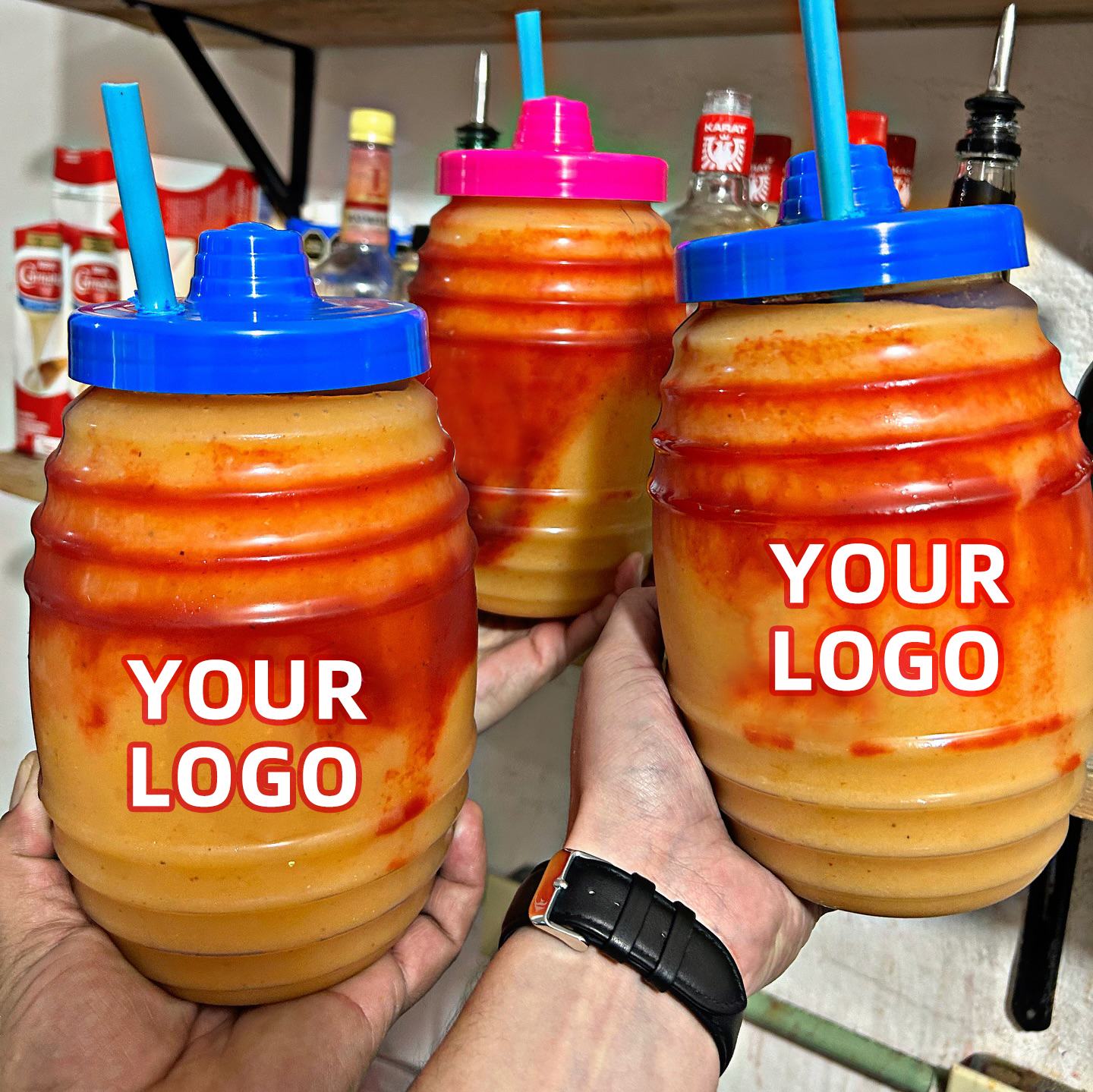
Troubleshooting Common Yard Cup Issues
Removing Stubborn Stains from Snack Cups
Those plastic snack cups tend to get stained pretty easily after holding all sorts of food stuffs and drinks. Grease, sticky sauces, and those bright red or blue beverages are real troublemakers leaving behind ugly spots. If someone wants to get rid of grease marks, try rubbing some olive oil into the stain first. Works surprisingly well actually. For other kinds of messes, mixing baking soda with water makes a decent cleaning paste. Just don't grab any old scouring pad or chemical cleaner though, since they'll scratch up the cup's surface. A quick spot test on an inconspicuous part is smart before going full blast. And remember, tough stains usually take time and several gentle cleanings rather than one aggressive scrub session.
Repairing Minor Cracks in Plastic Containers
Plastic containers such as those ice cream cups we all know get small cracks from things like changing temperatures or getting bumped around. When fixing them, start by looking at how bad the crack actually is. Give the cracked spot a good cleaning and grab some glue made specifically for plastics that's safe for food contact. Spread the adhesive evenly across the crack without making too much mess. Let it dry properly based on what the package says. After repairs, make sure nothing weird happens with the container when storing food inside since some glues can cause problems. Most folks find this method works well enough for everyday use while keeping their containers functional for quite some time after repair.
Eliminating Odors from Slush Cup Residue
Leftover bits from slush drinks tend to leave behind stubborn smells that get stuck inside those plastic cups. The good news is there are simple ways to deal with this mess without spending money on special cleaners. Vinegar works wonders for getting rid of bad smells, so soaking the cup in some diluted vinegar mixed with water does the trick pretty well. Alternatively, making a thick paste out of baking soda and rubbing it around the inside also helps eliminate lingering odors. Getting into a habit of cleaning these cups regularly makes all the difference in keeping them from developing that gross smell over time. Most people find that sticking to either method keeps their slush cups smelling fresh enough for next time they want a drink.