 EN
EN

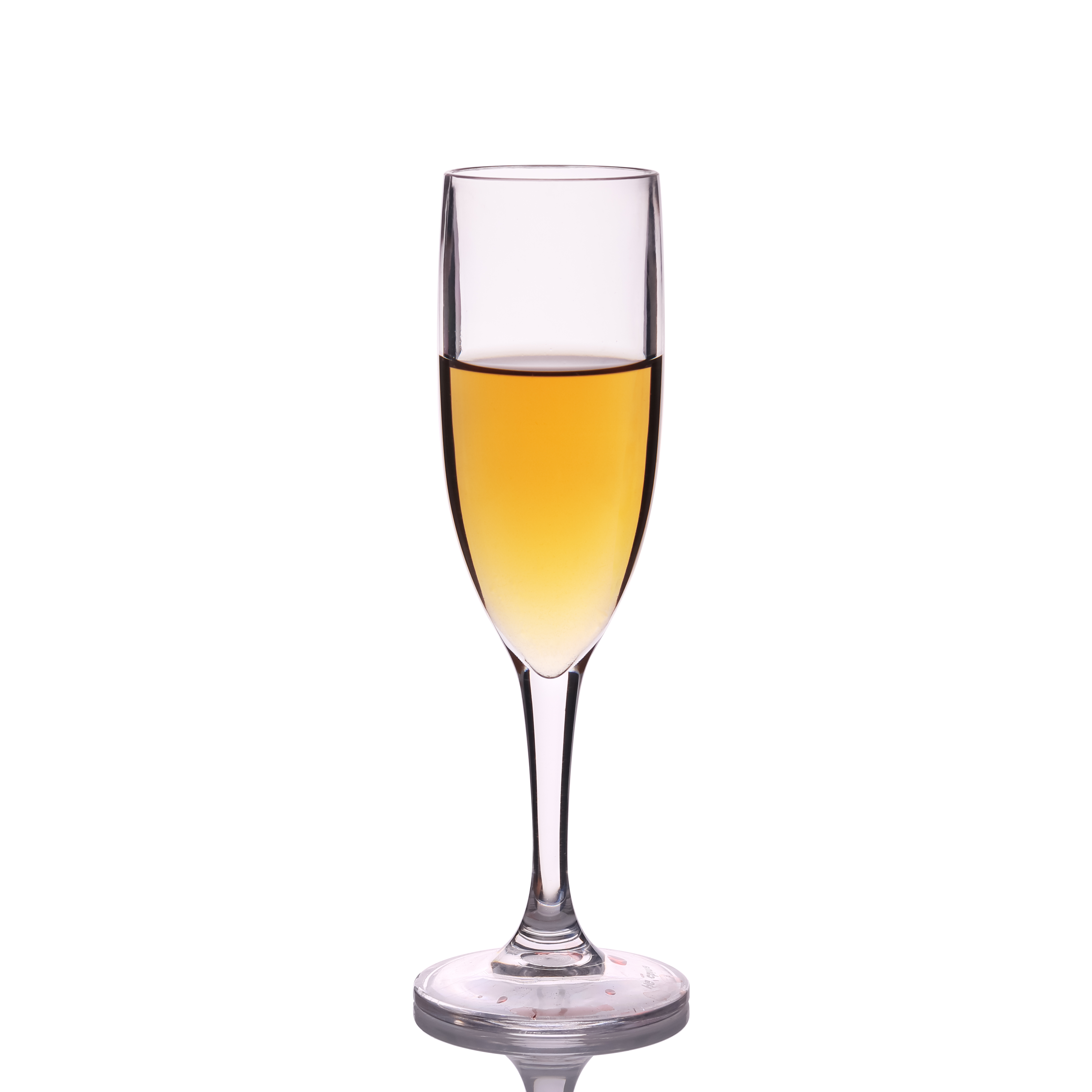
How consistent cleaning preserves material integrity and clarity
Keeping those Yard Cups clean on a daily basis really helps stop the build up of stuff that can slowly break down the materials over time. We're talking about things like leftover bits of food and minerals that stick around and cause problems. A study done last year showed plastic cups stay clear for almost twice as long if they get washed right after being used instead of waiting until later. Stainless steel ones are better at resisting those little pits that form when acidic drinks sit on them too long. And let's face it, nobody wants their favorite cup turning into a stained mess. Getting rid of coffee or tea stains as soon as possible makes a big difference actually reducing discoloration by about half compared to just giving them a quick scrub once a week. This not only keeps the cups looking good but also means they work properly for much longer.
Health risks of bacterial buildup in improperly sanitized Yard Cups
Yard Cups left unwashed start growing dangerous microbes within just eight hours after someone drinks from them. Tests found that nearly one third of these cups had E. coli and mold levels way above what the EPA considers safe according to a study published in Food Safety Journal last year. The bad stuff lurking inside can really mess with people's stomachs, especially little kids who haven't built up strong immune systems yet or folks whose bodies aren't fighting infections as well as they should. Regular cleaning actually gets rid of almost all those stubborn bacteria that stick around even after a quick rinse under running water. This matters because nobody wants to get sick from something as simple as taking a drink from their favorite cup.
Preventing long-term damage through immediate post-use care
Rinsing for just 60 seconds after use gets rid of about 90% of stuff that might stick to surfaces, which means we don't have to deep clean so often anymore - studies show this cuts down on deep cleaning by roughly 40% according to Consumer Reports from last year. The good news is that regular rinsing stops those pesky sugar crystals from forming in hard to reach spots and also helps prevent acid damage near cup lids, both big problems that cause Yard Cups to break down faster than they should. For best results, combine these quick rinses with a weekly soak in vinegar solution. This works wonders for keeping plastic, silicone and stainless steel components intact over time.
Material-Specific Care: Cleaning Plastic, Stainless Steel, and Glass Yard Cups
Safe Handwashing Techniques for Plastic Yard Cups to Prevent Degradation
Taking good care of plastic yard cups really does make them last longer. When washing, stick to lukewarm water and gentle, neutral pH cleaners because strong chemicals can actually break down the plastic over time. For cleaning surfaces, grab a soft microfiber cloth or maybe even a silicone brush these days. These won't scratch the surface where germs might hide later on. Got some tough stains? Try soaking the cups in equal parts vinegar and water for about 15 minutes before trying to scrub anything off. Many people find this works better than aggressive scrubbing anyway. Some recent studies show that around two thirds of all damage to plastic cups comes from using rough cleaning tools or exposing them to excessive heat. After washing, always let them dry upside down somewhere safe so they don't get warped by sitting in their own water.
Sanitizing Stainless Steel Yard Cups Without Damaging the Finish
To keep stainless steel looking good and functioning properly, stick to gentle cleaning methods that won't scratch away its protective coating. The best approach is hand washing using regular dish soap and a soft nylon sponge. Pay special attention to those welded joints since food particles tend to get stuck there. When it comes to making sure things are clean enough for eating from, either boil some water in the container for about two to three minutes or grab a bottle of 3% hydrogen peroxide and give it a quick spray down. Stay away from bleach or other chlorine products though. These chemicals actually break down the thin film that protects against rust, which means your favorite kitchenware might start showing signs of wear much sooner than expected.
Handling Glass Yard Cups to Avoid Cloudiness and Cracking
To avoid cracking when pouring hot drinks into glass Yard Cups, give them a quick rinse with warm water first. After washing, dry right away with a clean microfiber towel so those annoying water marks don't form. When dealing with stubborn mineral buildup, try soaking the cups overnight in a solution of citric acid mixed at about one tablespoon per quart of water. And absolutely steer clear of steel wool pads for cleaning these glasses. Glass has a Mohs hardness rating around 5.5, which means it gets scratched easily compared to most cleaning tools on the market today.
Choosing Detergents Compatible with Each Yard Cup Material
| Material | Recommended Cleaners | Avoid |
|---|---|---|
| Plastic | Baking soda paste, Castile soap | Bleach, acetone |
| Stainless Steel | Liquid dish soap, citric acid | Chlorine, abrasive powders |
| Glass | White vinegar, dishwashing liquid | Ammonia, scouring pads |
Opt for plant-based cleaners for plastic and glass, while stainless steel benefits from oxygen-based sanitizers. Always check compatibility with material safety guidelines.
Effective Handwashing and Deep Cleaning Methods for Spotless Yard Cups
Step-by-step handwashing using soft brushes and mild detergents
Start by giving your Yard Cup a quick rinse with some warm water to get rid of any stuck-on stuff. Put a small amount of pH neutral dish soap on there somewhere around the size of a quarter maybe? Then go ahead and give all parts a good scrubbing including those hard to reach spots between threads and corners with something gentle like a soft bristled brush works best for this job. Stay away from anything too rough though because those harsh sponges actually scratch up surfaces without us noticing much at first but those tiny marks catch dirt and germs later on. Make sure everything gets washed clean under running tap water until absolutely nothing soapy is left behind anymore either. Leftover soap tends to eat away at plastics eventually or makes glasses look foggy after repeated use so better safe than sorry here.
Removing stubborn stains and odors with baking soda and vinegar
When dealing with those stubborn coffee rings or that musty mildew smell, try mixing a tablespoon of baking soda with two ounces of white vinegar to get this nice foaming paste going. Just slap it on wherever needed and give it about fifteen minutes to work its magic before giving it a good scrub. Most folks find this combo takes care of around three quarters of those pesky organic stains without wearing down their Yard Cups. Now if plastic cups are still looking dull despite all efforts, fill them with a mixture where one part lemon juice meets four parts water and leave them soaking overnight. The next morning they'll look almost new again, and no need for any strong chemical cleaners either. Works wonders on most plastics actually, though we've noticed it's especially effective on polycarbonate materials.
Natural vs. commercial cleaners: Which are safer for Yard Cups?
Natural cleaners like castile soap or citric acid solutions prevent chemical leachingâ€"a key concern for frequently used Yard Cups. However, select commercial cleaners marked "material-safe" with these features:
- Phosphate-free formulation
- Non-abrasive particles â 5 microns
- pH balance between 6 and 8
Avoid products containing triclosan or microbeads, which accumulate in cup seams and degrade seals.
Avoiding bleach, ammonia, and chlorine to maintain cup safety and durability
Chlorine-based cleaners weaken plastic polymers faster than oxygen-based alternatives. Instead, use peroxide-containing tablets for deep sanitization. Always check manufacturer symbols: a triangle with waves indicates bleach compatibility, while crossed-out droplets warn against ammonia use. For stainless steel Yard Cups, opt for alcohol-based sprays that evaporate without leaving mineral deposits.
Dishwasher Use, Drying, and Storage Best Practices for Long-Term Durability
Is your Yard Cup dishwasher safe? Reading labels and avoiding heat damage
Always check manufacturer labels before dishwasher useâ€"many plastic Yard Cups warp above 60°C (140°F). Recent research emphasizes loading dishwashers to capacity and using ECO settings to maintain efficiency while protecting materials. Avoid heated drying cycles, as prolonged high-heat exposure is responsible for most plastic degradation.
Air-drying thoroughly to prevent mold and mineral deposits
Flip cups upside-down on ventilated racks after washingâ€"trapped moisture creates breeding grounds for mold spores overnight. Wipe stainless steel interiors with microfiber cloths to prevent water spots.
Proper storage techniques to avoid warping and dust accumulation
Store Yard Cups upright in temperature-stable cabinets (15â€"27°C ideal). Use breathable cotton covers instead of plastic bins to reduce dust accumulation compared to open shelving.
Preventing physical damage by avoiding stacked pressure during storage
Never stack heavy items on top of Yard Cupsâ€"as little as 2 lbs (0.9 kg) of pressure can deform plastic rims over time. Use adjustable dividers in storage spaces to maintain 0.5" (1.3 cm) between cups.
FAQ
How often should I clean my Yard Cups?
It’s best to clean Yard Cups immediately after use to prevent degradation and bacterial growth.
Can I use a dishwasher for deep cleaning?
Check the label for dishwasher safety. Avoid high heat to prevent warping plastic Yard Cups.
What's a safe method to remove stains from stainless steel?
Use a soft nylon sponge with regular dish soap or boil water in the cup for 2-3 minutes.
Is it necessary to sanitize glass Yard Cups?
Yes, especially if used regularly, to prevent cloudiness and bacterial buildup.
Table of Contents
- How consistent cleaning preserves material integrity and clarity
- Health risks of bacterial buildup in improperly sanitized Yard Cups
- Preventing long-term damage through immediate post-use care
- Material-Specific Care: Cleaning Plastic, Stainless Steel, and Glass Yard Cups
- Effective Handwashing and Deep Cleaning Methods for Spotless Yard Cups
- Dishwasher Use, Drying, and Storage Best Practices for Long-Term Durability
- FAQ