 EN
EN

Why Lightweight Design Matters for Hiking Water Bottles
The Growing Demand for Portable Hydration in Outdoor Adventures
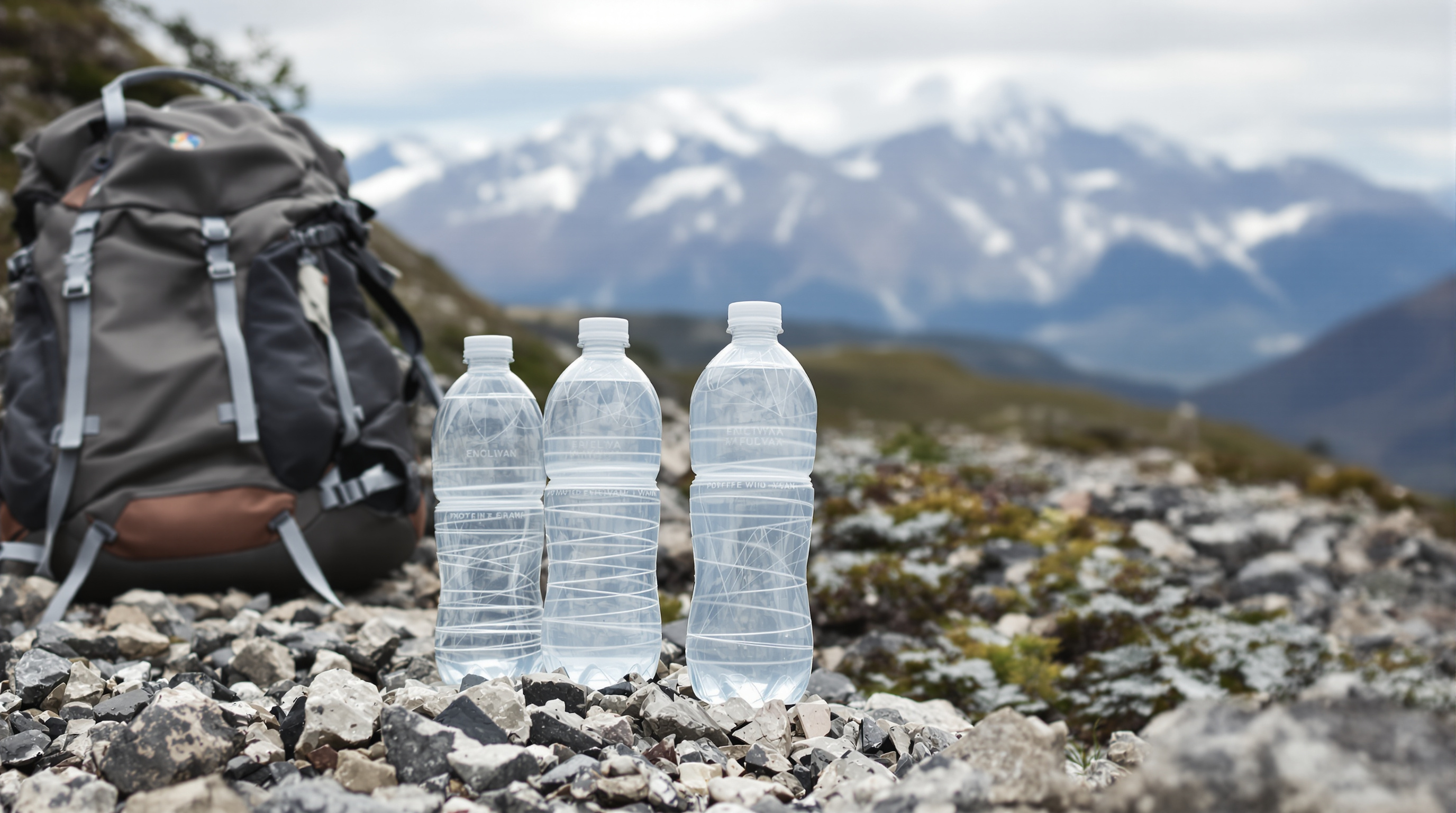
More and more hikers are going for those light plastic water bottles these days, especially since so many people hit the trails now. A recent report from Outdoor Industry showed that nearly 60% of backpackers put reducing weight at the very top of their gear worries back in 2023. When someone plans on hiking for multiple days, they need bottles that won't weigh them down but still hold enough water. That's why most major brands have switched to something called HDPE plastic. These newer bottles actually weigh about 40 percent less than what was common before, yet they can still carry over a liter of water. Most backpackers find this makes a big difference when they're carrying everything else too.
How Weight-to-Capacity Ratio Impacts Hiking Comfort and Efficiency
The relationship between a hydration bottle's weight and its volume makes all the difference when it comes to how long someone can keep hiking. Research published in the Wilderness Medicine Journal back in 2024 found that cutting down just 100 grams per liter reduces the body's energy expenditure by around 12% during those tough uphill stretches. Most experienced backpackers aim for ratios below 100g per liter so they can comfortably tote 2 to 3 liters of water without their pack becoming too heavy relative to their body weight. This kind of efficiency means fewer times stopping to refill along the trail, which becomes absolutely essential in places where water sources are scarce like desert trails or remote mountain ranges. Of course, there are exceptions depending on terrain and individual fitness levels, but getting this balance right definitely pays off in the long run.
Ergonomic and Compact Design Trends Enhancing Portability
Modern plastic bottles feature tapered profiles and textured grips to prevent slippage during scrambling. Over 78% of 2024 trail-tested models integrate one-handed operation lids, while collapsible designs reduce empty volume by 60% compared to rigid alternatives. These innovations align with the 33% year-over-year growth in ultralight hiking registrations.
Key Factors in Choosing Size, Shape, and Weight for Optimal Carry
Consider these dimensions when selecting hiking bottles:
| Metric | Ideal Range | Impact on Performance |
|---|---|---|
| Capacity | 750ml – 1.5L | Balances hydration needs and weight |
| Empty Weight | 80g – 150g | Maintains low pack burden |
| Diameter | Ø8cm | Fits standard backpack side pockets |
| Grip Texture | Diamond or ridge | Prevents drops on uneven terrain |
Prioritize oval cross-sections over cylindrical shapes to prevent rolling, and ensure bottle shoulders align with your pack’s load distribution system.
Food-Grade Plastic Materials: Safety and Durability Explained
Understanding Food-Grade Plastics and Why They Matter for Hikers
Plastics labeled as food grade have been specially designed to comply with tight safety rules when they come into contact with things we eat or drink. These aren't your regular plastics found around the house. Manufacturers put them through all sorts of tests to make sure nothing bad seeps into whatever is stored inside, even if the container gets warm while someone is hiking or camping. Both the US Food and Drug Administration and European Union authorities set specific limits on how much of any material might migrate from plastic containers into their contents. Think of it as a kind of maximum allowable leakage threshold that protects consumer health without compromising product integrity.
Recycling codes help identify safe options:
| Code | Plastic Type | Common Uses in Bottles |
|---|---|---|
| #2 | HDPE | Rigid, durable bottles |
| #5 | PP (Polypropylene) | Lightweight, heat-resistant |
| #7 | Tritan™ (BPA-free) | Shatter-resistant designs |
HDPE and PP account for 78% of hiking bottles due to their balanced weight-to-safety ratio (FDA Materials Report 2023).
BPA-Free Plastics: Debunking Health Myths and Ensuring Safety
People started getting worried about bisphenol A, or BPA for short, back around 2012 when some researchers at Harvard found connections between BPA exposure and hormonal issues. Good news though - today there are plenty of BPA free options available on the market. Companies have been turning to safer materials like Tritan and Eastman's Renew stuff lately. Most big name brands actually switched over to using something called PETG, which is approved by the FDA. This material keeps that clear look we all want but doesn't come with the same health concerns. Tests done by independent labs show these newer plastics stay pretty stable even after being reused hundreds of times. The EU Safety Authority reported similar findings in their 2022 assessment too.
Long-Term Reusability and Care Tips for Plastic Water Bottles
To maximize lifespan:
- Avoid prolonged UV exposure to prevent polymer degradation
- Hand-wash with mild soap—dishwashers can warp threaded bottle necks
- Inspect monthly for cracks where bacteria might accumulate
Replacing bottles every 12–18 months ensures optimal hygiene while preserving the weight advantages essential for multi-day treks.
Plastic vs. Alternative Materials: Best Choice for Outdoor Use
Advantages of Plastic Over Metal and Glass in Hiking Environments
Plastic water bottles weigh about 27% less than their metal counterparts, which makes them pretty important for backpackers who care about what they carry. Glass and steel just aren't safe options when hiking since they tend to crack or break when dropped something that happens all too often on rocky paths. According to some research from last year, around two thirds of hikers made the switch to plastic after dealing with dented metal bottles or finding glass containers smashed open. The newer types of plastic like PE and PP don't get as sweaty from temperature changes either, so hands stay dry even when climbing steep sections where grip matters most.
Rigid vs. Collapsible Plastic Bottles: Performance in Real-World Hikes
| Feature | Rigid Bottles | Collapsible Bottles |
|---|---|---|
| Weight (16oz capacity) | 2.3 oz | 1.8 oz |
| Durability | Withstands 200+ psi | Prone to puncture |
| Storage Flexibility | Fixed shape | Folds when empty |
Rigid designs dominate multi-day hikes due to compatibility with water filters, while collapsible options excel in ultralight setups where space-saving outweighs long-term durability.
Hybrid and Flexible Plastic Innovations Gaining Popularity
Recent advancements like silicone-reinforced PET blends address historical weaknesses. These hybrids weigh 15% less than standard plastics while withstanding sub-zero temperatures—a frequent challenge in alpine trekking. Dual-layer insulation systems, now embeddable in plastic matrices, maintain water temperature for 6+ hours without metal’s conductive heat loss.
Design Features That Improve Portability and Accessibility
How Bottle Shape and Grip Enhance Ease of Carry on Trails
Modern plastic water bottles prioritize ergonomic designs to minimize fatigue during long hikes. Contoured shapes reduce forearm strain by 34% compared to cylindrical models (2023 hiking ergonomics report). Angled grips and textured surfaces maintain secure handling in wet conditions, while tapered midsections allow seamless integration with backpack side pockets.
Backpack Compatibility and Quick-Access Features in Modern Designs
Leading models feature standardized diameters (typically 3–4”) to fit universal bottle sleeves and hydration packs. A 2024 outdoor gear survey found 78% of hikers prefer bottles with carabiner-ready loops and one-handed flip-top lids for drinking without breaking stride. Side-mounted measurement markers and anti-roll bases further enhance trail functionality.
Key innovations driving adoption (2024 Trail Equipment Survey):
| Feature | User Preference | Weight Reduction |
|---|---|---|
| Hexagonal grip zones | 82% | 11% lighter |
| Collapsible shoulders | 67% | 23% pack savings |
| Magnetic lid locks | 74% | No weight impact |
This data-driven approach helps hikers balance minimal weight with essential accessibility.
Compatibility with Water Filtration Systems for Safe Hydration
The Need for Integrated Filtration in Remote Hiking Conditions
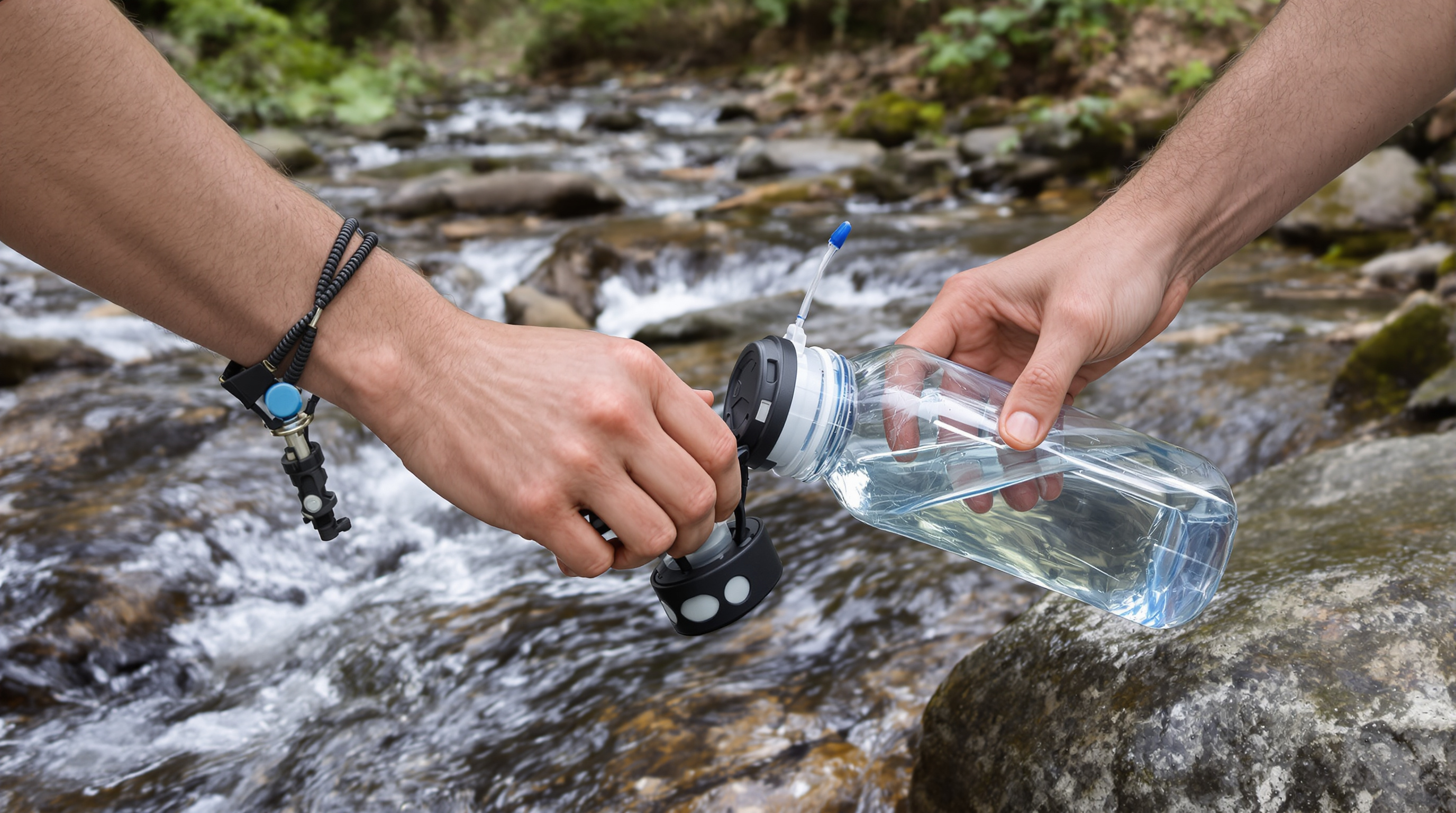
According to the CDC's 2023 water safety report, nearly one in four wilderness areas has water contamination issues that backcountry hikers must contend with. Many lightweight plastic bottles now come specifically designed to work with various filtration systems, making it possible to safely treat water from streams or lakes without carrying extra weight around. These bottles typically stay below the 1 pound mark when packed. What makes them so handy is their integrated screw top design that fits most hand pump filters on the market today. No need to lug along additional purification gear that takes up precious space in already cramped backpacks during long treks into remote locations.
How Plastic Water Bottles Work with Filters Like Sawyer Mini
Most food grade plastic bottles come with standard 28mm threads that work great with all sorts of popular filters out there. Take the Sawyer Mini for instance, which costs around $39 and weighs only about two ounces. Just screw it onto any bottle opening and let gravity do the work at a decent rate of half a liter per minute. Plastic bottles have something going for them that metal ones don't really offer. When temps drop low enough to freeze things up, those flexible plastic walls allow folks to actually squeeze the bottle while purifying water. Metal containers tend to get stuck when ice starts forming inside because they can't flex like plastic does.
Optimizing Bottle-Filter Field Setups
Three strategies improve hydration system performance:
- Use co-sourced components: Pair your bottle with filters from the same manufacturer to guarantee thread alignment
- Insulate tubing: Prevent freezing in sub-32°F temperatures with neoprene sleeve wraps
- Backflush weekly: Maintain 98% flow rates by reversing water direction after heavy silt exposure
Ultralight backpackers prioritize collapsible plastic bottles with dual-stage filters, reducing base weight by 12 oz compared to traditional stainless steel canteens (Appalachian Trail Conservancy 2023 efficiency study).
FAQ Section
Why is lightweight design important for hiking water bottles?
Lightweight design is crucial for hiking water bottles because it allows hikers to carry more water without adding unnecessary weight to their backpacks, thus improving comfort and efficiency while hiking.
What materials are commonly used for lightweight hiking water bottles?
Materials commonly used include HDPE, PP, and BPA-free plastics like Tritan™, which offer a good balance of weight, safety, and durability.
How can I ensure the water bottle is safe for storing drinking water?
Look for bottles made from food-grade plastic materials and check recycling codes for safety assurances. Options labeled as BPA-free are also recommended.
What are the benefits of collapsible water bottles?
Collapsible water bottles save space in a backpack when not in use and are lighter, making them ideal for ultralight hiking setups.
How do plastic water bottles work with filtration systems?
Many plastic bottles are designed with standard threads to fit common filtration systems, allowing hikers to filter water directly from natural sources without extra equipment.
Table of Contents
- Why Lightweight Design Matters for Hiking Water Bottles
- Food-Grade Plastic Materials: Safety and Durability Explained
- Understanding Food-Grade Plastics and Why They Matter for Hikers
- BPA-Free Plastics: Debunking Health Myths and Ensuring Safety
- Long-Term Reusability and Care Tips for Plastic Water Bottles
- Plastic vs. Alternative Materials: Best Choice for Outdoor Use
- Design Features That Improve Portability and Accessibility
- Compatibility with Water Filtration Systems for Safe Hydration
-
FAQ Section
- Why is lightweight design important for hiking water bottles?
- What materials are commonly used for lightweight hiking water bottles?
- How can I ensure the water bottle is safe for storing drinking water?
- What are the benefits of collapsible water bottles?
- How do plastic water bottles work with filtration systems?