 EN
EN

The Rise of Plastic Water Bottles in Modern Life
Evolution from Glass to Lightweight Plastic
Water bottles have come a long way since glass was the norm. The switch started happening around the middle of the twentieth century when new ways of making resins made plastic a real option for manufacturers. But it took till the eighties before PET plastic really caught on big time. This stuff changed everything for drinks because it could hold up well without being heavy and could actually get recycled too. Plastic just kept growing in popularity compared to glass containers as people wanted something easier to carry around while they were busy running places all day. Looking at numbers from Beverage Marketing Corp shows how crazy this trend got – sales went through the roof by almost 1800 percent in fifty years. Makes sense really, given how our lives seem to revolve around being constantly mobile these days.
Global Adoption and Consumer Preferences
People around the world keep grabbing plastic water bottles instead of other options, and it shows just how much they've become part of daily life. Market forecasts suggest the plastic water bottle business could hit around $220 billion by 2026. Why? Most folks find them easier to carry around, especially when compared to glass bottles which can be heavy and prone to cracking. Take hiking trips or beach days for instance – nobody wants to deal with broken glass when things get rough. The trend is particularly strong in places like India, Nigeria, and Indonesia where bottled water sales are climbing fast. Local populations there often worry about tap water quality and busy modern schedules mean people grab whatever's handy at convenience stores. While convenience definitely plays a big role in keeping plastic bottles popular worldwide, deeper issues like public health worries and changing daily routines explain why these containers remain so dominant across different cultures.
Unmatched Portability for Active Lifestyles
Plastic water bottles are super portable, which is why so many active people love them. They're light enough to carry around without weighing someone down, and work great for runners, folks hitting the trails, or anyone rushing from one place to another needing a drink. Just slip one into a backpack, stick it in the car cup holder, or toss it in a gym bag and it's there when needed. According to some research (can't remember exact numbers but somewhere around 70%), most travelers opt for something they can take with them instead of buying drinks at airports or restaurants. Makes sense really. For people always moving between meetings, errands, or workouts, having water readily available saves time and money while keeping everyone properly hydrated throughout the day.
Durability and Leak-Proof Designs
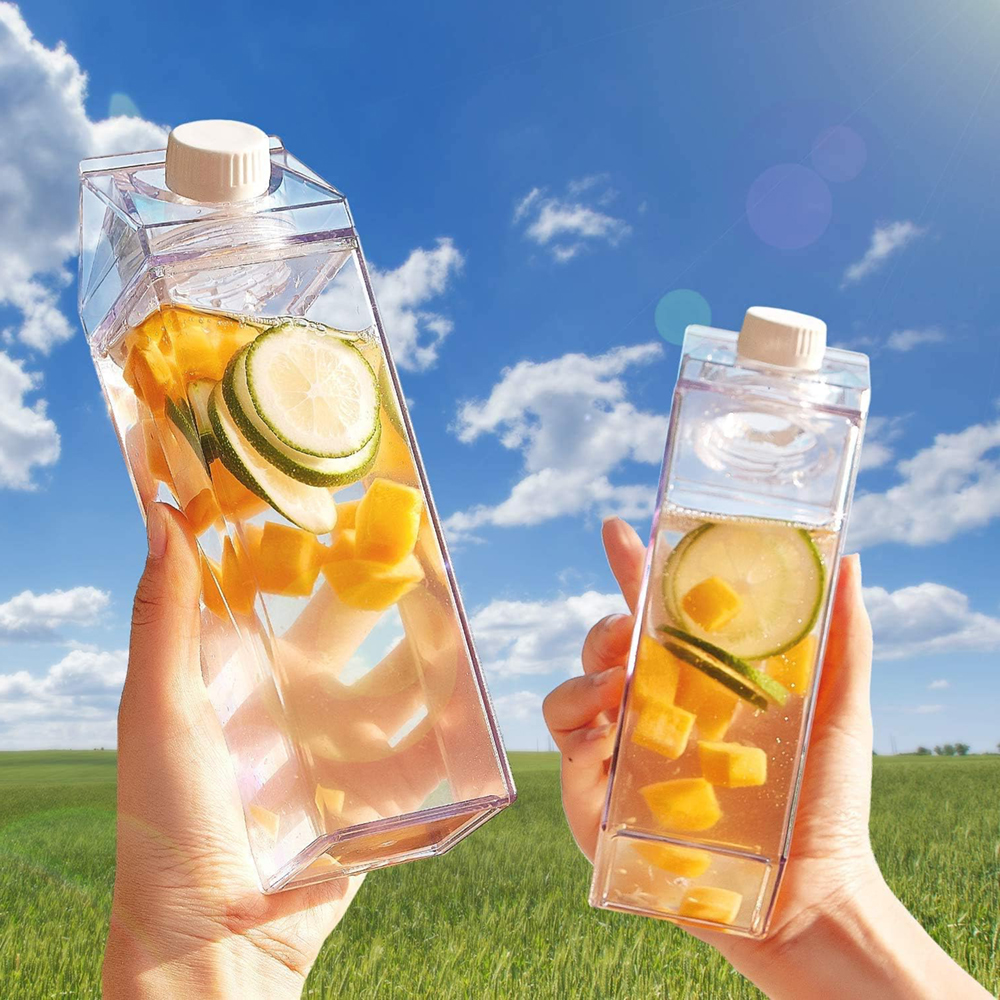
Plastic water bottles hold up pretty well when it comes to staying intact and keeping liquids inside, which is why so many people grab them before heading out for hikes or sports activities. Glass just isn't practical for most situations since it breaks so easily if dropped even once. Most plastic bottles today come with caps that actually work pretty good at stopping leaks, something we all know from experience when trying to carry drinks around without creating messes everywhere. Tests over the years show that these plastics really do last through quite a bit of rough handling, meaning they tend to stick around longer than other options. While there's definitely room for improvement in terms of environmental impact, the fact remains that plastic bottles offer a solid mix of toughness and convenience for anyone looking to stay hydrated without worrying about accidents.
Cost-Effective Hydration Solutions
Plastic water bottles tend to be cheaper to make compared to their glass counterparts, which gives them an edge when it comes to price. Because manufacturers spend less on production, these savings often show up at the store shelf where people buy them. For many households, buying plastic bottles in large quantities works out better financially, especially for families or small businesses running through lots of drinks daily. Some studies suggest that switching to reusable plastic bottles could save hundreds of dollars each year for average families who otherwise would keep repurchasing single-use containers. The lower price point explains why so many shoppers gravitate toward plastic options when looking for something that won't break the bank but still keeps everyone hydrated throughout the day.
Single-Use vs Reusable Plastic Bottles
Plastic water bottles solve thirst fast but leave behind mountains of trash. Think about it: somewhere around the globe, someone buys another disposable bottle every second of every day. That kind of volume just piles up environmental problems, which has gotten people thinking twice about what they put in their shopping carts. Many folks now reach for reusable bottles made from stuff like Tritan instead. These bottles last forever basically and save money in the long run too. The more we hear stories about plastic pollution choking our oceans, the more people switch to these green alternatives. Cities across the country have started programs encouraging this shift, offering discounts at local stores for customers who bring their own containers. Some schools even give out free refill stations to help kickstart the habit.
Specialized Designs: Gallon Jugs and Sport Bottles
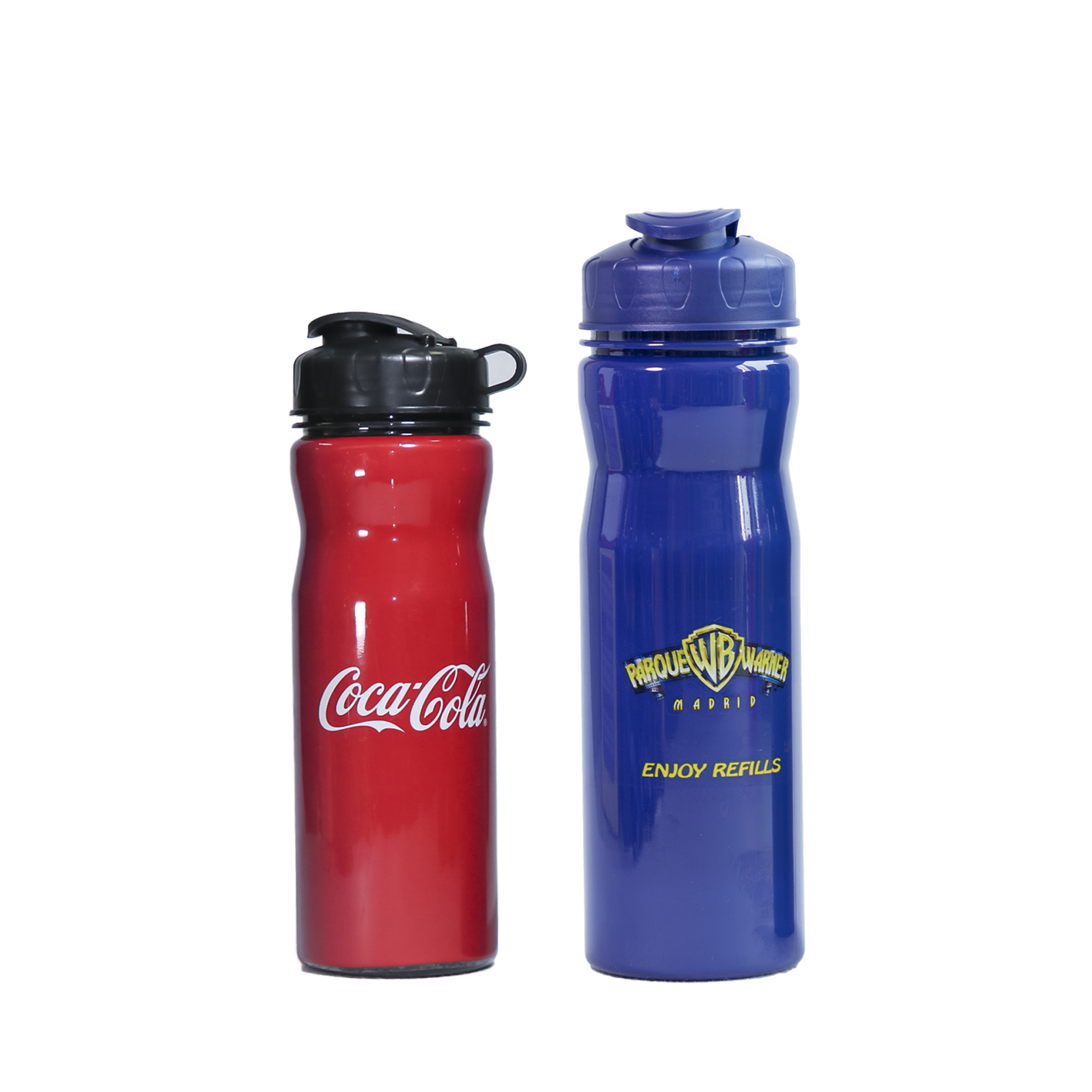
Plastic water bottles come in all sorts of different designs made for particular purposes these days. Take gallon sized bottles as an example they're becoming really popular among people who work out regularly because they hold so much water and are handy when someone is outside for hours at a time. No need to stop every few minutes to refill. Sport bottles have their own perks too with things like straw attachments and comfortable handles that make them great for folks who want something easy to drink from while exercising. Market studies show that custom branded sport bottles are catching on fast, combining usefulness with looks. People just want stuff that works well but also matches what they personally like.
Smart Features in Modern Containers
Technology has really changed how we think about staying hydrated these days, especially with all the smart stuff coming out in water bottles. Some newer bottles come packed with cool features like apps that track how much water someone drinks throughout the day, filters right inside the bottle itself, and even those fancy UV lights that kill bacteria. People want things that save them time while still being good for the planet, so these kinds of bottles help push folks toward better habits without much effort. The market for smart water bottles keeps growing fast, and many experts believe it might hit over a billion dollars worth of sales by 2025. Makes sense when looking at what consumers actually need nowadays – something that makes drinking water easier, keeps it clean, and works well without hassle.
Recycling Challenges and Solutions
Even though most plastic is technically recyclable, there's still a lot standing in the way of proper recycling for those ubiquitous water bottles. The numbers tell a sobering story too many people ignore: roughly 30 percent actually make it into recycling bins, while the rest pile up in landfills across the country. What does this mean? Mountains of plastic waste that leach harmful chemicals into soil and water systems over decades. Real change requires looking at multiple angles. On one hand, better sorting technology could help separate different types of plastics more efficiently. On the other hand, local communities need stronger education programs that show exactly where and how to recycle properly. Some companies have already started working closely with municipal recycling centers to develop new collection methods and even financial incentives for returning bottles. These collaborations aren't just theoretical ideas anymore they're making tangible differences in places where recycling rates were once dismal.
Comparing Carbon Footprints: Plastic vs Alternatives
Looking at carbon footprints shows something interesting actually plastic water bottles tend to have a smaller environmental impact than glass ones when we factor in how much energy it takes to transport them. According to research published by National Geographic, people who switch to reusable bottles cut down on both trash and greenhouse gases by around 80 percent or so. But if we really want to understand what's better for the planet between plastic and other options, we need to look at their entire life cycles. These kinds of assessments show exactly what kind of ecological footprint different materials leave behind from production all the way through disposal. This information helps everyday folks make smarter choices about what they buy and use.
Innovations in Biodegradable Materials
Recent improvements in biodegradable plastics like PLA are showing real potential when it comes to cutting down on plastic trash. A lot of companies these days are pouring money into labs where scientists work on creating plastics that actually decompose faster and don't leave harmful residues behind. The push for greener alternatives has been building steam thanks to people becoming more aware of their environmental impact. We've seen this lead to big changes in how manufacturers approach everyday items like water bottles. Now there's a whole wave of new brands popping up that specialize in sustainable packaging solutions. These companies aren't just jumping on bandwagons though they're responding to genuine market needs as consumers increasingly seek out products that won't end up polluting landfills for centuries.
Understanding BPA-Free Certifications
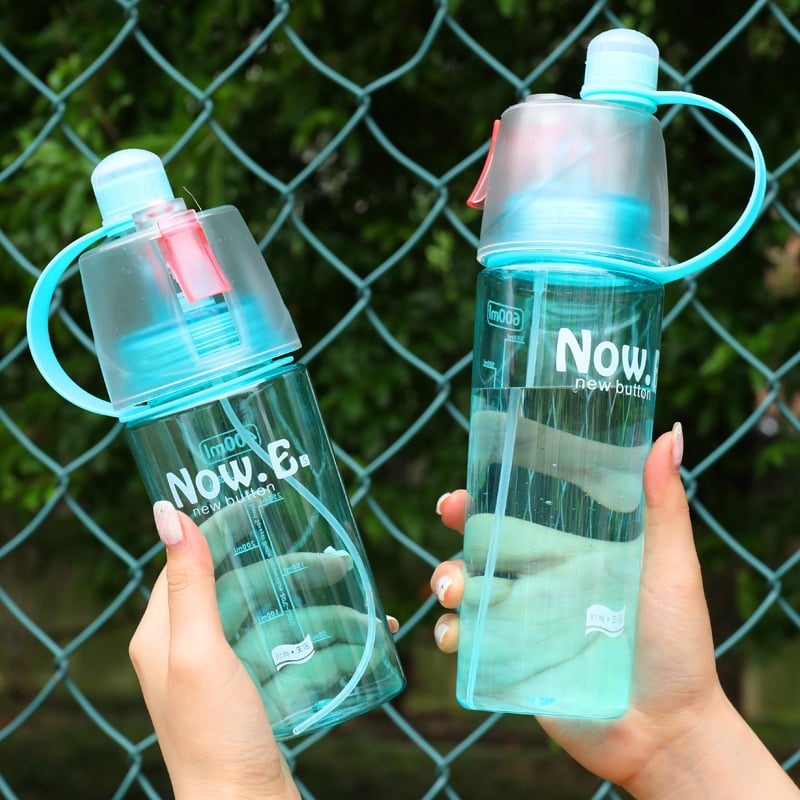
People are increasingly looking for BPA-free plastics because they worry about the health effects of bisphenol A, which shows up in lots of everyday plastic items. Research points to connections between BPA exposure and various health problems ranging from hormonal imbalances to developmental issues in children. This knowledge has definitely raised awareness among shoppers who now actively seek out safer options when buying things like water bottles. The little labels on packaging that say "BPA Free" really matter for building confidence in these products. Most folks check for these certifications before purchasing, as they want assurance that their drink containers aren't leaching harmful chemicals. While some might question if these alternatives work as well as regular plastic bottles, studies indicate that BPA-free versions actually perform just fine while cutting down on potential health hazards. For many consumers, knowing their bottle is free from BPA gives them that extra bit of reassurance when staying hydrated throughout the day.
Proper Cleaning and Maintenance
Keeping plastic water bottles clean matters a lot for our health and safety. When we wash them regularly, we stop bad bacteria from growing inside, which means safer drinking water all around. To clean properly, most people find that warm soapy water works great. Don't reach for bleach though, since it can leave behind residues. After washing, let those bottles dry completely in the air before putting them away. Doing this keeps things hygienic and actually makes the bottle last longer too. The CDC suggests washing reusable bottles every day, particularly if someone uses them during workouts or on trips where refilling happens often. Daily cleaning stops bacteria from building up over time and keeps everyone healthy.
Temperature Resistance Limits
Knowing what temperatures plastic water bottles can handle matters a lot when it comes to staying safe. Most common plastics will hold up fine until around 120 degrees Fahrenheit, but past that point things start getting dangerous as some chemicals might leach out. People need to be aware of this because putting hot drinks in regular plastic bottles creates real risks. The FDA and similar groups warn folks not to subject their plastic containers to intense heat. If we stick to those recommendations, our bottles stay safer longer and we dodge possible health problems from overheating them.
Table of Contents
-
The Rise of Plastic Water Bottles in Modern Life
- Evolution from Glass to Lightweight Plastic
- Global Adoption and Consumer Preferences
- Unmatched Portability for Active Lifestyles
- Durability and Leak-Proof Designs
- Cost-Effective Hydration Solutions
- Single-Use vs Reusable Plastic Bottles
- Specialized Designs: Gallon Jugs and Sport Bottles
- Smart Features in Modern Containers
- Recycling Challenges and Solutions
- Comparing Carbon Footprints: Plastic vs Alternatives
- Innovations in Biodegradable Materials
- Understanding BPA-Free Certifications
- Proper Cleaning and Maintenance
- Temperature Resistance Limits