 EN
EN

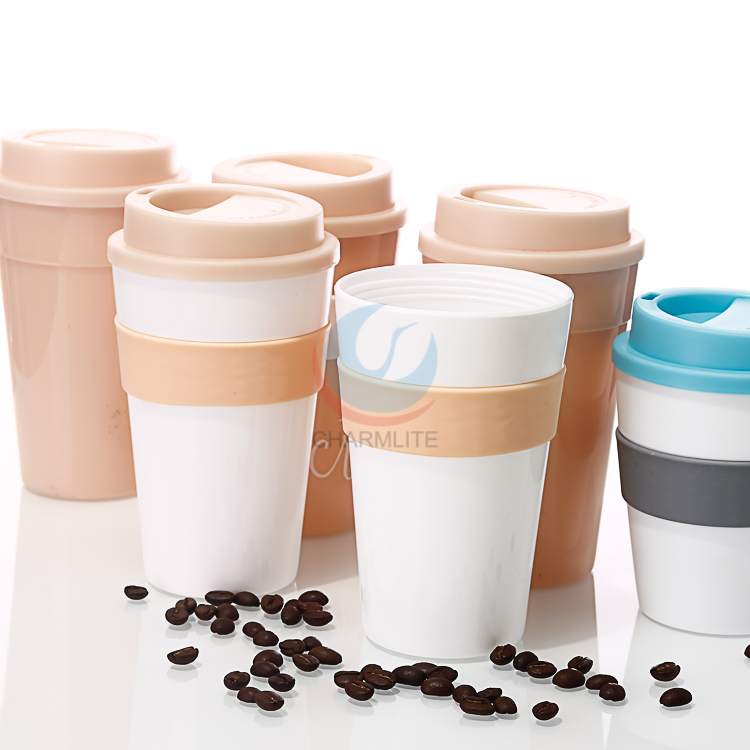
The Growing Demand for Stylish and Functional Plastic Coffee Cups
How On-the-Go Lifestyles Are Shaping Coffee Cup Trends
According to Statista's latest numbers from 2025, the food delivery business is worth around $152 billion these days, which explains why those single-use plastic coffee cups have become practically indispensable for people rushing between meetings or working from home offices. Most folks seem to want their coffee containers to stay upright while driving or walking, with over half expecting lids that won't leak and insulation that keeps drinks hot until they reach their destination. The Disposable Cups Outlook Report for 2025 points out something interesting too - companies making these cups are focusing on designs that fit better into car cup holders and have grippy surfaces so customers don't drop them when moving around. Makes sense really, given how our lives revolve around being constantly on the move nowadays.
Consumer Preference for Aesthetic Design in Plastic Coffee Cups
More coffee lovers are starting to see their mugs not just as containers but as fashion statements these days. According to Packaging Digest from last year, around three quarters of people actually pay extra cash for cups that look good on display. Looking ahead to what's hot in 2025, frosted matte surfaces and simple embossed designs seem to be taking over store shelves. Many manufacturers are also adding double wall construction which keeps drinks hotter longer and gives that nice solid grip when holding it. Interesting thing happens with colors too. Cafes that switch to warmer tones on their cups notice customers think the coffee tastes better somehow. One study found sales went up by about 22% after making this change, probably because our brains associate certain colors with warmth and comfort.
Branding Opportunities Through Customizable Plastic Coffee Cup Designs
Coffee cups made of plastic aren't just for holding hot drinks anymore but have become walking billboards for brands. With UV printing technology, businesses can now slap on super detailed logos, QR codes linking straight to their websites, and even social media tags right onto the lid or sleeve area. According to research published last year in the retail sector, coffee shops that went all out with custom designed cups saw customers remember their brand about 31 percent better compared to places sticking with plain old generic cups. The modular nature of these designs makes it easy and budget friendly to refresh looks seasonally too. Take one major coffee chain as an example they saved around 18% on marketing expenses simply by swapping out traditional paper sleeves for cups with printed borders instead.
Understanding Food-Grade Materials in Plastic Coffee Cups
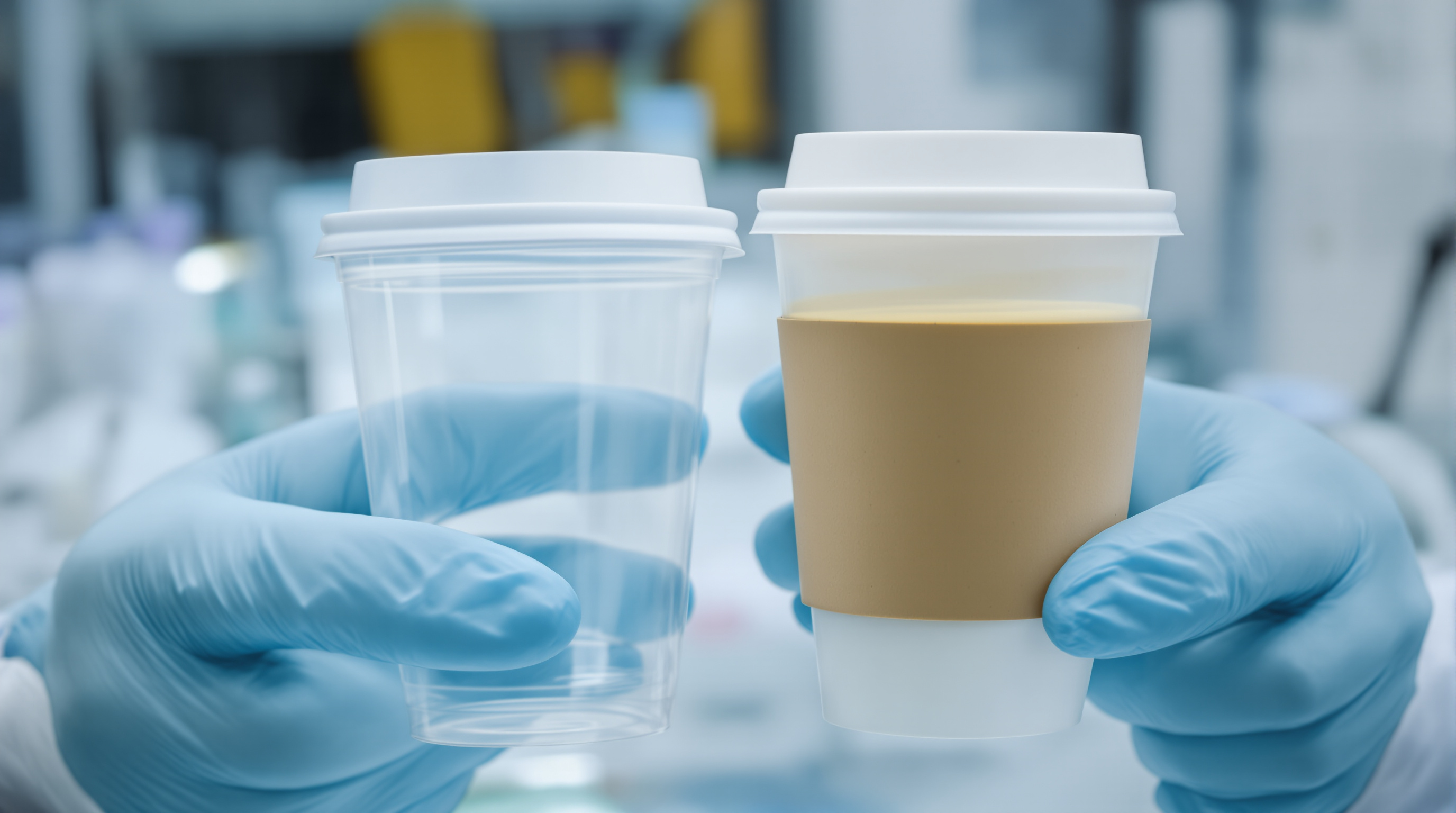
Modern plastic coffee cups balance safety, durability, and performance through advanced materials engineering. As consumer expectations rise, manufacturers rely on rigorously tested polymers compliant with global food safety standards.
Polypropylene and Polyethylene: Safe Plastics for Hot and Cold Beverages
Polypropylene (PP) and polyethylene (PE) dominate due to their versatility and safety. PP withstands temperatures up to 212°F (100°C), making it ideal for hot beverages, while PE performs best with cold drinks. Both meet FDA and EU 10/2011 regulations, ensuring no harmful chemical leaching occurs under normal use.
Temperature Resistance and Taste Preservation in Food-Grade Plastic
These plastics preserve beverage integrity without altering flavor. A 2023 Food Packaging Forum study found PP cups retain coffee aroma 25% longer than polystyrene alternatives. Double-walled designs extend thermal retention to over 90 minutes while preventing exterior condensation, enhancing user comfort.
Debunking Myths: Chemical Leaching and Safety Standards in Plastic Coffee Cups
Despite persistent concerns, FDA-approved food-grade plastics undergo over 4,000 hours of testing to confirm stability across temperature ranges. While low-quality imitations may pose risks, reputable suppliers use additive-free resins that exceed NSF/ANSI 51 certification. Proper manufacturing ensures safe, reliable performance in daily use.
Design Innovations That Enhance Portability and User Experience
Ergonomic Shapes, Leak-Proof Lids, and Secure Sealing Technology
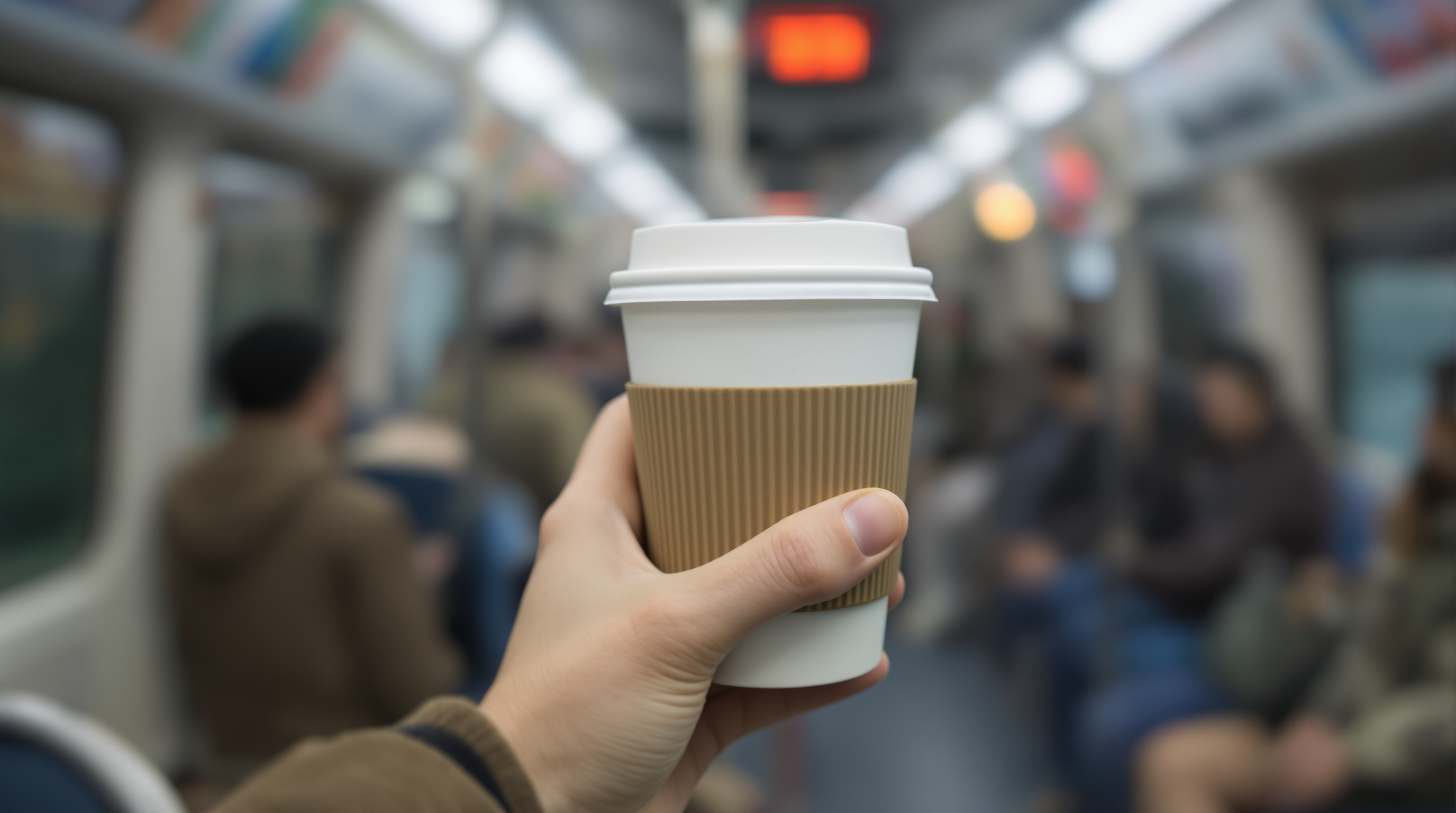
Modern plastic coffee cups are designed with comfortable shapes that fit how most people naturally hold things, which cuts down on hand fatigue after using them for long periods. The lids these days have those rubber seals and extra layers that stop drinks from spilling out. According to some research from Food Packaging Forum back in 2023, around 98 percent of folks don't spill their coffee even if they bump into someone on the train. What's really handy is that these sealed lids keep hot drinks warm for about an hour and a half. So whether someone is rushing to work or just wants their morning brew to stay hot until lunchtime, these cups deliver both practicality and ease of use.
Cup Sleeves, Grip Textures, and Thermal Protection for On-the-Go Use
- Grip enhancements: Micro-textured or ribbed surfaces reduce slippage by 40% in wet conditions
- Thermal sleeves: Dual-layer polypropylene sleeves reduce heat transfer by 55%, protecting hands without sacrificing insulation
- Weight distribution: Tapered bases fit standard car cup holders and lower tipping risk by stabilizing the center of mass
Branded Lids and Sleeves as Marketing Tools for Cafés
Customizable lids with embossed logos and seasonal sleeve artwork boost brand recall by 34% among repeat customers. Over 62% of café visitors associate sleeve design with beverage quality, creating opportunities to merge aesthetics with functionality. Matte-finish branding strips on lids minimize glare outdoors, improving readability of marketing messages in public spaces.
Commercial Advantages of Plastic Coffee Cups for Cafés and Takeout Services
Hygiene, Efficiency, and Cost-Effectiveness in High-Volume Operations
For businesses running at scale, plastic coffee cups check all the boxes when it comes to keeping things clean, lasting through heavy use, and not breaking the bank. The fact that they're used once means no worries about germs spreading between customers either. According to Food Safety Quarterly from last year, nearly nine out of ten food safety experts actually think disposable plastic is better suited for busy places where speed matters most. These cups are tough enough to handle being moved around constantly but still light on the hands, which makes a big difference for baristas who might be pouring anywhere from 200 to 300 drinks every single hour in city locations where space is tight and movement is constant.
Bulk production drives cost efficiency, as plastic resin is 30–40% cheaper per unit than compostable alternatives. According to the 2022 QSR Industry Report, cafés save $0.07–$0.12 per drink compared to double-walled paper cups. For a shop selling 500 cups daily, this translates to $18,000 in annual savings.
Building Brand Identity with Branded Plastic Coffee Cup Packaging
Custom-printed plastic coffee cups act as mobile billboards, offering full 360° branding space unmatched by paper sleeves. The non-porous surface supports vibrant, precise logo reproduction, with leading manufacturers achieving Pantone color accuracy within ±0.5 ΔE—crucial for brand consistency.
According to research from Consumer Packaging Insights back in 2023, around 72 percent of people remembered particular coffee shop logos they saw printed on disposable cups just one week later. The fact that these logos stick in memory actually leads to new business for cafes. About two thirds of respondents said they had walked into a new cafe simply because they spotted an eye catching cup design somewhere in town. And when companies add those little QR codes to their seasonal cup designs that connect straight to loyalty schemes, the effect gets even better. Stores running these kinds of promotions typically see about a 22 percentage point boost in customer return rates over time.
Sustainability Challenges and the Future of Plastic Coffee Cup Use
Plastic vs. Compostable Cups: Weighing Convenience Against Environmental Impact
Plastic coffee cups make up about 78% of all takeout beverage packaging according to Food Packaging Forum data from 2023, but people are increasingly worried about what happens to them after use. Regular polypropylene cups can sit in landfills for more than 450 years before breaking down at all. Compostable PLA cups seem better since they decompose within 90 to 180 days. The catch? They need special industrial composting facilities to actually break down properly. Unfortunately, GreenBlue reports that only around 12% of American cities have these facilities available. So most of those supposedly eco-friendly cups still wind up in regular trash bins where they don't really help the environment at all.
Though compostable options cost 23% more per unit, 68% of consumers prefer them when brands clearly communicate sustainability advantages (Sustainable Packaging Coalition 2024).
Innovations in Recyclable Plastics and Industry Responsibility
Leading manufacturers now incorporate 30% post-consumer recycled (PCR) plastic into production, cutting virgin petroleum use by 18% per cup (Ellen MacArthur Foundation 2023). Advances like chemical recycling are making previously non-recyclable polypropylene cups recoverable, potentially diverting 4.2 million tons of waste annually by 2030.
Major coffee chains have committed to 100% reusable or recyclable cup systems by 2025, with deposit-based pilot programs achieving 40% return rates. These efforts align with emerging regulations such as California’s SB 54, which mandates a 65% reduction in plastic waste by 2032.
FAQ
Why are plastic coffee cups growing in demand?
Plastic coffee cups are becoming more popular due to the on-the-go lifestyle of many consumers, requiring convenience and functionality in coffee containers.
What materials are used in plastic coffee cups, and are they safe?
Plastic coffee cups often use polypropylene and polyethylene, materials that are safe and versatile for both hot and cold beverages. They comply with global food safety standards.
How do custom plastic coffee cups benefit brands and cafés?
Custom cups provide branding opportunities by showcasing logos and marketing messages, boosting brand recall and customer engagement.
Are there sustainable alternatives to traditional plastic coffee cups?
While plastic cups are prevalent, compostable cups offer a sustainable alternative but require industrial composting facilities. Some manufacturers are also using recycled plastics to reduce environmental impact.
Table of Contents
- The Growing Demand for Stylish and Functional Plastic Coffee Cups
- Understanding Food-Grade Materials in Plastic Coffee Cups
- Design Innovations That Enhance Portability and User Experience
- Commercial Advantages of Plastic Coffee Cups for Cafés and Takeout Services
- Sustainability Challenges and the Future of Plastic Coffee Cup Use
- FAQ