 EN
EN

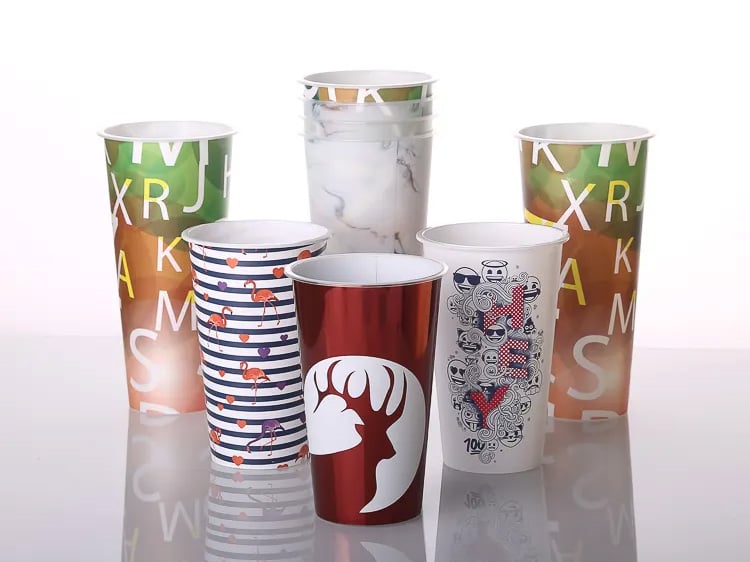
Urban Lifestyles and the Rise of Mobile Coffee Consumption
The shift toward city living is changing how people consume drinks, especially in the Asia-Pacific region where more than two thirds of folks now call urban areas home according to UN data from 2023. City life moves fast, which explains why takeaway coffee sales jumped by nearly a quarter between 2019 and now. Most office goers simply don't have time to sit down at a café these days, so disposable cups have become a must for people rushing from work to meetings or home. A recent survey found that around 6 out of 10 professionals rank portability above all else when it comes to drink containers, making those single use plastic cups pretty much unavoidable for busy commuters across the region.
Convenience as a Driving Force in Modern Coffee Drinking Habits
Lightweight, shatter-resistant plastic cups cater to multitasking consumers. Features like ergonomic grips and leakproof lids address spills during transit—a key pain point for 78% of on-the-go drinkers. Drive-thru and delivery services now account for 48% of café sales, up from 29% in 2015, accelerating demand for durable single-use solutions.
Rise of Drive-Thru and Mobile Orders: Market Trends (2015–2023)
Mobile coffee orders grew 200% between 2018–2023, fueled by app-based delivery platforms. Brands using custom branded coffee cups report 19% higher order frequency compared to generic packaging, as noted in a 2022 consumer behavior study.
Brand Strategy: Aligning Custom Plastic Coffee Cups with Consumer Mobility
Leading chains now design cups to reflect usage scenarios:
- Slim profiles for car cup holders
- Textured surfaces for grip during walks
- Bold logos optimized for social media visibility
Case Study: Starbucks and Tim Hortons’ Branded Cup Strategies
Two major brands achieved 34% and 28% sales boosts, respectively, by introducing seasonal designs and QR-code-enabled cups for loyalty rewards. Their success underscores how food-grade plastic coffee cups serve dual roles as functional vessels and brand billboards.
Food-Grade Plastic Materials: Safety, Standards, and Material Comparison
PET, PP, and PS: Comparing Plastics for Hot and Cold Beverage Use
The plastics used most often in coffee cup manufacturing are polyethylene terephthalate (PET), polypropylene (PP), and polystyrene (PS), each chosen for specific properties that work best in different situations. Polypropylene stands out because it can handle pretty high temperatures without warping or melting. It stays solid even when exposed to water at 212 degrees Fahrenheit (100 Celsius), which makes it great for those who want to drink their coffee hot. PET plastic is another common choice, especially for cold drinks. It looks clear and clean, plus it's easier to recycle than many other plastics. However, PET starts to soften once it gets warmer than around 160 degrees Fahrenheit (about 71 Celsius). Polystyrene is usually the cheapest option available, providing decent insulation for keeping drinks cool. But there's a catch: it tends to crack when subjected to excessive heat, so manufacturers typically reserve it for iced coffee products where temperature isn't an issue. Looking at recent data from the FDA's 2023 report on food contact materials, polypropylene remains the only plastic deemed safe for long term contact with boiling liquids in single use beverage containers.
Meeting FDA and EU Regulations for Food-Grade Plastic Safety
For plastic materials used in food contact applications, passing chemical migration testing is essential for meeting safety requirements. In America, the FDA has rules in place (specifically 21 CFR §177.1520) that say these plastics need to handle heat up to around 250 degrees Fahrenheit without releasing anything dangerous into food products. Across Europe too, there are strict regulations from EFSA under Regulation (EC) No 10/2011 that basically ask for the same thing - materials should stay stable through multiple uses without breaking down. Many people get confused between "food grade" and "food safe" terminology though. Food grade relates mainly to what the plastic is made from at the factory level. But food safe goes further, looking at how the material actually performs when exposed to things we see daily in kitchens and restaurants, such as acidic foods during brewing processes or prolonged contact with steam.
BPA and Phthalates: Addressing Health Concerns in Plastic Coffee Cups
Today's food grade PP and PET cups are designed without BPA and phthalates those chemicals that mess with hormones and can cause problems during child development. Polystyrene used to contain styrene, which got banned in Europe back in 2011 because it might be cancer causing. These days companies either switch to styrene free options or clearly mark their PS cups as suitable only for cold drinks. For people wanting extra assurance, there are third party certifications such as NSF ANSI 51 that check whether products actually meet safety standards.
How to Identify Genuine Food-Grade Plastic in Packaging Labels
Look for:
- Resin identification codes (e.g., “5” for PP, “1” for PET) inside triangular recycling symbols
- Explicit statements like “FDA-compliant” or “EU 10/2011-approved”
- Absence of recycled content unless specified as food-grade PCR (post-consumer recycled)
Suppliers must provide a Declaration of Compliance (DoC) validating material safety. Avoid unlabeled or generic “food-safe” claims lacking regulatory backing.
Design and Branding: How Stylish Plastic Coffee Cups Enhance Identity
From Minimalist to Bold: Design Trends in Custom Plastic Coffee Cups
Modern coffee shops leverage plastic coffee cups as portable billboards through three dominant design approaches:
- Minimalist sophistication: Clean lines and single-color logos appeal to urban professionals (42% of consumers prefer understated branding according to 2023 packaging surveys)
- Vibrant maximalism: Neon gradients and illustrated motifs resonate with Gen Z audiences at festivals and pop-up events
- Seasonal adaptations: Autumn leaf patterns or winter geometric designs drive 27% higher social media tagging rates
Printing Techniques: Offset, Screen, and Digital Methods for Cup Graphics
Premium printing ensures branding survives condensation and handling:
| Method | Best For | Durability | Cost per 1k Units |
|---|---|---|---|
| Offset | Complex multicolor logos | High | $85 |
| Screen | Opaque, bold text | Moderate | $65 |
| Digital | Photo-realistic artwork | Low | $120 |
A 2024 Beverage Marketing Report found 68% of consumers recall brands more clearly when cups use glossy finishes for logo protection.
Building Brand Loyalty Through Branded Disposable Coffee Cups
Consistent cup branding increases customer repeat rates by 19% (QSR Magazine 2023). When mobile workers carry branded cups through transit hubs and offices, they generate 530+ daily brand impressions per 100 units distributed — equivalent to a $2,500/month billboard campaign.
Case Study: Specialty Coffee Chain’s Limited-Edition Cup Campaign
A West Coast coffee retailer achieved record engagement through:
- Artist-collaboration cups released biweekly
- QR codes linking to barista-curated playlists
- "Collect all 8" social media challenge
This strategy drove a 33% sales spike and 14,000+ user-generated posts in 3 months, exemplifying how plastic coffee cups transcend functional use to become cultural currency.
Engineering Practicality: Leakproof Design and Durable Performance
Leakproof Technology: Lid Design and Structural Integrity
These days, most plastic coffee cups are designed to stay leak free thanks to better lid designs and smarter materials. The compression fit lids usually have those silicone rings inside that make them pretty airtight, and many come with sloped edges so they don't drip when someone moves around with them. According to some research from the National Coffee Association last year, about two thirds of people who drink coffee on the go consider spill resistance the most important feature when choosing a cup. Manufacturers have started putting together these double seal systems lately, mixing snap on lids with those no threading locks, which helps keep drinks contained even when tossed into backpacks or carried through busy subway cars.
User Testing Insights: Spill Resistance Across Top Plastic Cup Models
Lab testing has shown that those PP cups with leak proof lids can resist spills about 98% of the time when put through their paces in simulated car rides, which beats out both PET and PS options hands down. When researchers tilted these cups at fifteen different angles while moving at speeds as high as forty five miles per hour, they still kept their contents inside pretty well. That makes sense why so many restaurants prefer them for drive thru service actually. Looking at customer reports from last year's food packaging studies, people complained about leaking cups only 72 percent less often when using PP containers rather than regular polystyrene ones. Makes a big difference when someone is trying to grab coffee on the way to work without getting their car interior soaked.
Why Polypropylene (PP) Excels in Heat Resistance and Durability
The molecular makeup of polypropylene gives it incredible capabilities when it comes to handling hot drinks. This stuff can handle temps all the way up to 212°F (100°C) without getting warped or deformed. Most budget plastics just melt after a few uses, but polypropylene cups stay strong even after going through over 50 dishwasher cycles. They also stand up pretty well against coffee oils and those pesky acidic compounds that ruin other materials. Tests show that because polypropylene doesn't conduct heat so readily, drinks stay warmer about 23% longer compared to regular PET cups according to ASTM D7981 standards. No wonder coffee shops across the country have switched to this material for both their single use and reusable cup options.
Sustainability Challenges and Innovations in Plastic Coffee Cups
Recyclable and Biobased Plastics: Advancements in Eco-Friendly Materials
Only about 9 percent of all plastic gets recycled each year according to Emerald Innovations data from 2024. Because of this, many manufacturers are turning toward plant based options like PLA and compostable bioplastics made from things such as sugarcane or corn starch. The good news is these materials can break down completely in around 180 days when placed in proper industrial composting environments. This helps reduce the massive amounts of waste going into landfills without sacrificing strength requirements for holding hot drinks. Recent market research shows that roughly 42% of coffee shops across North America have started testing out these eco friendly cups. Still there remains quite a challenge getting these alternatives produced at scale without driving up costs too much for businesses trying to switch over.
Balancing Consumer Demand for Sustainability and Practicality
About one third of shoppers care about green packaging these days, though they won't put up with cups that don't keep drinks hot or leak all over their clothes according to Emerald Innovations research from last year. Companies have found ways around this problem by mixing in roughly 30% post consumer recycled polypropylene along with those double walled designs we've all come to expect. This cuts down on brand new plastic usage while still keeping beverages at the right temperature. The catch? When manufacturers try going beyond 50% recycled material, production costs jump by around 22% compared to regular plastic options. Still, many companies are willing to absorb those extra expenses because customers increasingly demand sustainable solutions even if it means paying a bit more for their coffee or tea.
Life Cycle Analysis: Plastic vs. Paper vs. Reusable Cups (EPA 2022 Data)
EPA studies reveal reusable ceramic cups require 100+ uses to offset their higher manufacturing emissions, while paper cups with plastic liners generate 28% more carbon during disposal than polypropylene alternatives. Plastic coffee cups made with 20% biobased materials show a 34% lower environmental footprint than traditional PET options.
Adopting PCR Materials: A Strategic Shift Toward Circular Production
Closed-loop systems now recover 60% of used PP cups for reprocessing into FDA-compliant food-grade pellets, up from 45% in 2020. One Midwest supplier achieved 90% energy savings by blending 40% PCR content with virgin resin, proving high recycled ratios don’t compromise structural integrity in temperatures up to 200°F.
FAQ
What are the most commonly used plastics in coffee cup manufacturing?
Polyethylene terephthalate (PET), polypropylene (PP), and polystyrene (PS) are most commonly used due to their distinct properties for hot and cold beverages.
Are BPA and phthalates present in modern plastic coffee cups?
Modern food-grade PP and PET cups are designed without these chemicals to avoid hormonal disruptions and health issues.
How can I identify genuine food-grade plastic packaging?
Look for resin identification codes within recycling symbols, clear regulatory compliance statements, and absence of non-food-grade recycled content.
What advancements are there in eco-friendly coffee cup materials?
Advancements include plant-based options like PLA and compostable bioplastics, as well as increased recycling of post-consumer recycled polypropylene.
Table of Contents
- Urban Lifestyles and the Rise of Mobile Coffee Consumption
- Convenience as a Driving Force in Modern Coffee Drinking Habits
- Rise of Drive-Thru and Mobile Orders: Market Trends (2015–2023)
- Brand Strategy: Aligning Custom Plastic Coffee Cups with Consumer Mobility
- Case Study: Starbucks and Tim Hortons’ Branded Cup Strategies
- Food-Grade Plastic Materials: Safety, Standards, and Material Comparison
- PET, PP, and PS: Comparing Plastics for Hot and Cold Beverage Use
- Meeting FDA and EU Regulations for Food-Grade Plastic Safety
- BPA and Phthalates: Addressing Health Concerns in Plastic Coffee Cups
- How to Identify Genuine Food-Grade Plastic in Packaging Labels
- Design and Branding: How Stylish Plastic Coffee Cups Enhance Identity
- From Minimalist to Bold: Design Trends in Custom Plastic Coffee Cups
- Printing Techniques: Offset, Screen, and Digital Methods for Cup Graphics
- Building Brand Loyalty Through Branded Disposable Coffee Cups
- Case Study: Specialty Coffee Chain’s Limited-Edition Cup Campaign
- Engineering Practicality: Leakproof Design and Durable Performance
- Sustainability Challenges and Innovations in Plastic Coffee Cups
- FAQ