 EN
EN

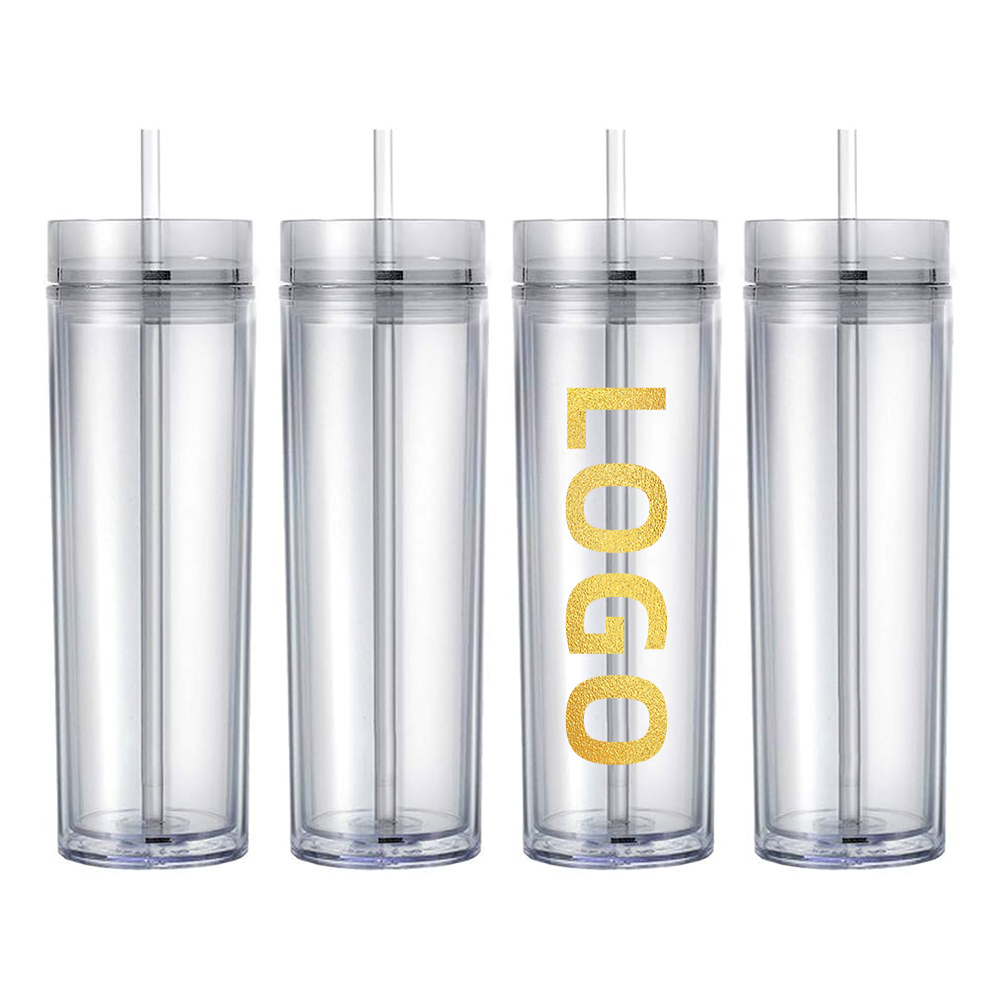
The Evolution of Stylish Tumblers: From Function to Fashion Statement
How Reusable Tumblers Became a Lifestyle Trend
What started as just another green product has become something much bigger for reusable tumblers. The whole thing kicked off during the rise of sustainability awareness worldwide, but what really pushed them into mainstream culture was smart design changes over time. Market research shows around 7 out of 10 people see their tumbler not just as good for the planet but also as part of their personal style these days. This double identity makes sense when looking at all those customization options available now—from different lid styles to patterned sleeves that let folks express themselves while staying environmentally friendly.
The Role of Aesthetic Design in Consumer Appeal
Modern tumblers prioritize visual storytelling, with matte metallic finishes and minimalist silhouettes driving 58% of purchase decisions. Brands leveraging color psychology report 3x higher social media engagement, as soft Morandi palettes and bold gradients cater to distinct consumer personas.
Social Media and Influencer Impact on Tumbler Style Trends
Platforms like TikTok have turned tumbler aesthetics into participatory trends—#CustomTumbler videos surpassed 2.7 billion views in 2023. Nano-influencers (under 50K followers) generate 82% of viral designs through “get ready with me” hydration routines and DIY customization tutorials.
Case Study: Brand X’s Viral 2023 Launch and Market Response
A leading designer’s geometric-textured tumbler line sold out in 41 minutes during its 2023 debut, with 63% of buyers citing Instagram aesthetics as their primary motivator. Post-launch surveys revealed the collection generated 14 social shares per unit sold, proving design-driven virality.
Balancing Style, Sustainability, and Brand Identity
Top manufacturers now achieve 94% recycled material integration without compromising scratch resistance. Ethical branding strategies—like donating proceeds to ocean cleanup initiatives—help brands outperform competitors by 33% in customer retention among Gen Z buyers.
Why Food-Grade Stainless Steel Is Essential for Safe Drinking
Understanding 304 Grade Stainless Steel and Its Safety Benefits
When it comes to drinkware, most people have turned to food grade 304 stainless steel these days. The reason? Its special mix of chromium and nickel (the so called 18/8 composition) stands up well against rust and corrosion, even after repeated contact with acidic drinks such as coffee or orange juice. What makes this material really stand out is how its smooth surface doesn't trap bacteria the way plastics do. According to some recent testing by NSF International from last year, stainless steel surfaces are actually three times cleaner than their plastic counterparts. That's why we see so many kitchen appliance companies switching over to 304 steel for their tumblers. A quick look at commercial kitchens across the country shows that around two thirds of all food safe metal containers are made with this particular type of steel.
Non-Toxic, BPA-Free, and Lead-Safe: What to Look for in a Tumbler
Always verify these three certifications:
- BPA-Free: Eliminates endocrine-disrupting chemicals
- Lead-Safe Compliant: Meets FDA’s 0.1% lead content threshold
- ISO 8442 Certification: Ensures material stability across temperatures
A 2024 Consumer Reports analysis found 22% of “stainless steel” tumblers from unnamed brands failed basic leaching tests, underscoring the need for third-party verification.
Debunking Leaching Myths: Scientific Insights on Material Safety
Research shows that 304 stainless steel doesn't really let metals leach into drinks when used normally day to day. A study published in the Journal of Food Science put this to the test. They ran experiments where they washed 304 steel tumblers over and over again - around 500 times total. What did they find? Metal levels stayed super low at less than 0.01 parts per million. That's way below what's considered safe by regulatory standards actually about 50 times lower. So all those worries people have about tasting metal or worrying about health effects? Well, these findings pretty much wipe out those concerns for regular everyday use.
Consumer Trust Through Certification and Transparency
These days, trustworthy companies tend to put their material breakdowns and factory checks online for everyone to see. Consumers should keep an eye out for those NSF/ANSI 51 or SGS stamps of approval since they come with yearly plant visits and surprise product tests throughout the year. Brands that open up about their entire production journey starting from where they get their materials all the way through to how they finish products earn real trust among shoppers. After all, almost one third of customers rank transparency right at the top when making buying decisions according to Food Safety Magazine last year.
Advanced Insulation Technology: Keeping Drinks at the Perfect Temperature
How Double Wall Vacuum Insulation Works
Modern tumblers with double wall vacuum insulation work by sandwiching two layers of stainless steel together with all the air sucked out from between them, creating what's basically a thermal shield. This setup really cuts down on heat moving around inside, which means drinks stay hot or cold for about three times longer compared to regular single wall cups, as shown in research published last year by some top material experts. What makes these tumblers so good at holding temperatures is that vacuum sealed space that acts like a buffer against outside temps changing. And for those fancy premium versions, manufacturers often add copper or aluminum coatings that bounce back heat better, giving roughly a 40% improvement in how well they reflect radiant energy away from the drink.
Performance Metrics: 6+ Hours for Hot, 12+ Hours for Cold
Independent testing confirms high-performance tumblers maintain:
- 78°C+ for hot drinks over 6 hours (coffee, tea)
- Below 10°C for cold beverages beyond 12 hours (iced water, smoothies)
A 2022 Thermal Performance Council report found vacuum-insulated models outperform non-insulated alternatives by 400% in thermal retention benchmarks.
Insulated vs. Non-Insulated: A Clear Performance Advantage
| Feature | Insulated Tumblers | Non-Insulated Tumblers |
|---|---|---|
| Hot Retention (4hr) | 82°C | 48°C |
| Cold Retention (4hr) | 4°C | 18°C |
| Condensation Risk | Low | High |
| Average Weight | 450g | 290g |
Consumer Reports (2023) data shows 94% of users prefer insulated models for daily use despite the 55% weight increase, citing superior functionality.
Durability Meets Design: Built to Last Without Sacrificing Style
Scratch-Resistant Coatings and Impact Durability
Today's tumblers are built tough with materials straight out of the aerospace industry, paired with special coatings such as DiamondShield™ tech to keep those pesky scratches at bay. Some recent research from the International Home Goods folks back in 2023 showed these coatings really work wonders, cutting down on scratches by almost 80% when compared to regular old uncoated surfaces. The way manufacturers apply these coatings has gotten pretty advanced too. They run through several stages of powder coating that actually sticks to the metal at a molecular level. This means the bright colors stay looking fresh even after getting tossed around in backpacks, crammed into car cup holders, or going through the dishwasher cycle after cycle.
Real-World Testing: Drop Resistance and Long-Term User Feedback
Rigorous testing protocols simulate years of tumbler use:
- Drop tests from 5+ feet onto concrete (industry standard: ≥50 drops without structural failure)
- 1,000+ cycle dishwasher durability checks for finish integrity
Consumer reports from 2024 show 85% of stainless steel tumbler users note zero functional issues after 12+ months of daily use. Independent labs verify these results through accelerated wear testing that replicates 3 years of normal use in 90 days.
Personalization and Eco-Conscious Appeal in Modern Tumbler Design
Modern consumers demand more than just functionality from their drinkware—82% of shoppers now prioritize products that reflect their identity while aligning with environmental values (CoolNiceTumbler 2025). This dual focus drives innovation in tumbler design, blending bespoke aesthetics with sustainability narratives.
Trend-Driven Aesthetics: Minimalist, Bold, and Limited-Edition Styles
Leading manufacturers now release seasonal collections inspired by fashion runways and interior design trends. The most popular 2025 styles include:
| Design Category | Key Features | Consumer Appeal |
|---|---|---|
| Minimalist | Monochrome, clean lines | Fits professional and casual settings |
| Bold Geometric | Vivid colors, asymmetric art | Appeals to Gen Z and social media sharing |
| Limited Editions | Collaborations with artists | Drives urgency (40% sales lift in Q1 2025) |
A 2024 Footwear Materials Report revealed that 68% of users view their tumbler as a fashion accessory comparable to handbags or watches.
Customization Options: Engraving, Colors, and Collaborative Designs
Over 300 U.S. brands now offer laser engraving services, with 25% providing AR preview tools for personalized designs. The shift toward self-expression extends to corporate gifting—personalized tumblers generate 3x higher brand recall than standard promotional items.
Influencer Collaborations Fueling Innovation and Exclusivity
Micro-influencers (10k–50k followers) drive 72% of viral tumbler campaigns through “unboxing” videos and #EverydayEssentials content. Brands that partner with eco-conscious creators see 33% higher engagement on sustainability messaging.
Sustainability Story: Reducing Plastic Waste with Reusable Tumblers
Every reusable tumbler displaces an average of 170 single-use bottles annually (Global Drinkware Initiative 2025). Leading manufacturers now use 100% post-consumer recycled stainless steel while maintaining third-party certifications for material safety and ethical production.
FAQ
Why are reusable tumblers considered a lifestyle trend?
Reusable tumblers have become part of mainstream culture due to smart design changes and customization options, reflecting personal style while promoting environmental sustainability.
What makes 304 grade stainless steel popular in tumblers?
304 stainless steel is favored for its resistance to rust and corrosion, and a smooth surface that doesn’t trap bacteria, making it a clean and durable choice for drinkware.
How does double wall vacuum insulation in tumblers work?
Double wall vacuum insulation creates a thermal shield by sandwiching two layers of steel with air vacuumed from between, keeping drinks hot or cold for extended periods.
Can I personalize my tumbler?
Yes, many brands offer customization options like laser engraving and color variations, allowing consumers to reflect their identity through their drinkware.
Are insulated tumblers better than non-insulated ones?
Insulated tumblers offer superior thermal retention, keeping drinks at desired temperatures significantly longer compared to non-insulated models.
Table of Contents
- The Evolution of Stylish Tumblers: From Function to Fashion Statement
- Why Food-Grade Stainless Steel Is Essential for Safe Drinking
- Advanced Insulation Technology: Keeping Drinks at the Perfect Temperature
- Durability Meets Design: Built to Last Without Sacrificing Style
- Personalization and Eco-Conscious Appeal in Modern Tumbler Design
- FAQ