 EN
EN

How Wine Glass Shape Influences Aroma and Volatile Compound Release
The science of aroma concentration: How bowl curvature directs scent to the nose
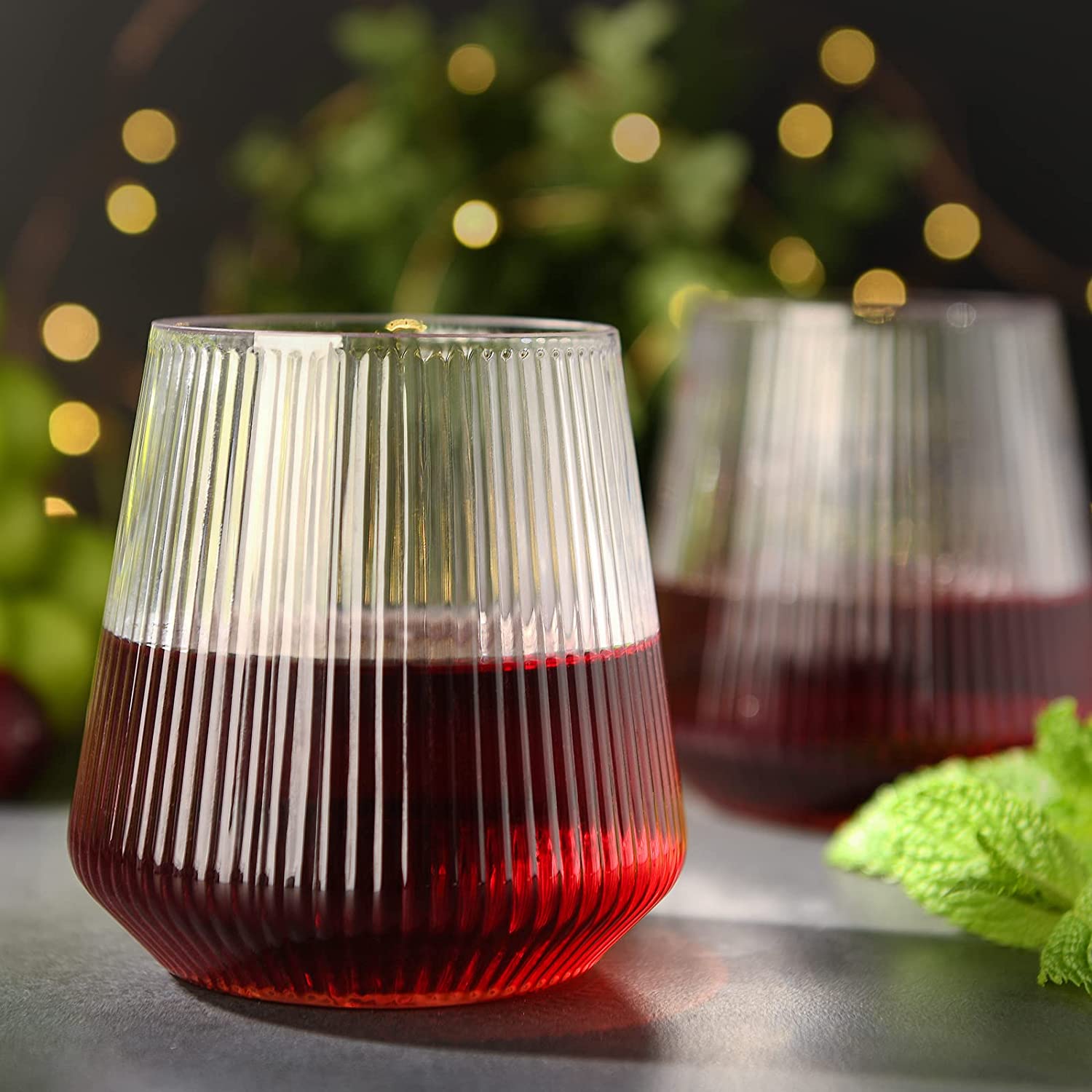
When wine gets swirled around in curved bowls, it creates something called a vortex. This concentrates all those fancy aroma compounds right in the middle while sending the ethanol vapors drifting out towards the edges. The shape really matters too. Bowls with tighter openings actually funnel those subtle smells straight into our noses, making it easier to pick up on those delicate hints of cherry or even violets sometimes. All this happens because the design directs the strongest aromas exactly where they need to be for tasting just below the nostrils.
Role of glass geometry in enhancing or limiting olfactory perception
The shape of a glass actually works like a smell filter for wine. When we talk about bigger bowls, they give more space for the wine to breathe, which helps those strong alcohol smells fade away a bit. That's why many people notice less burning sensation when drinking from these types of glasses. The narrow edges at the top also help block some of those harsh ethanol vapors so the subtler scents can come through better. Wider bowls tend to bring out all sorts of fruit flavors, especially berries and stone fruits. And interestingly enough, taller glasses where the height is about 1.3 times wider than their base seem to make floral notes stand out more according to research published in the Journal of Sensory Studies back in 2022.
Key studies on glass impact and sensory response
There's actually scientific backing behind how glass shapes our experience of drinks. A group from Kyoto University did some interesting work using gas chromatography techniques to show that different glass shapes send various aromas to different parts of the nose. Meanwhile over at Oxford, Professor Charles Spence and his crew discovered something pretty cool too. They found that when people use specially designed glasses, they can identify flavors better by about 18%. The team thinks this happens because these glasses deliver vapors exactly where they need to go for maximum effect. All this research published in sensory analysis journals really shows why glassware matters not just for looks but for how we actually taste things physiologically.
Debating the placebo effect: Do premium wine glasses truly enhance aroma?
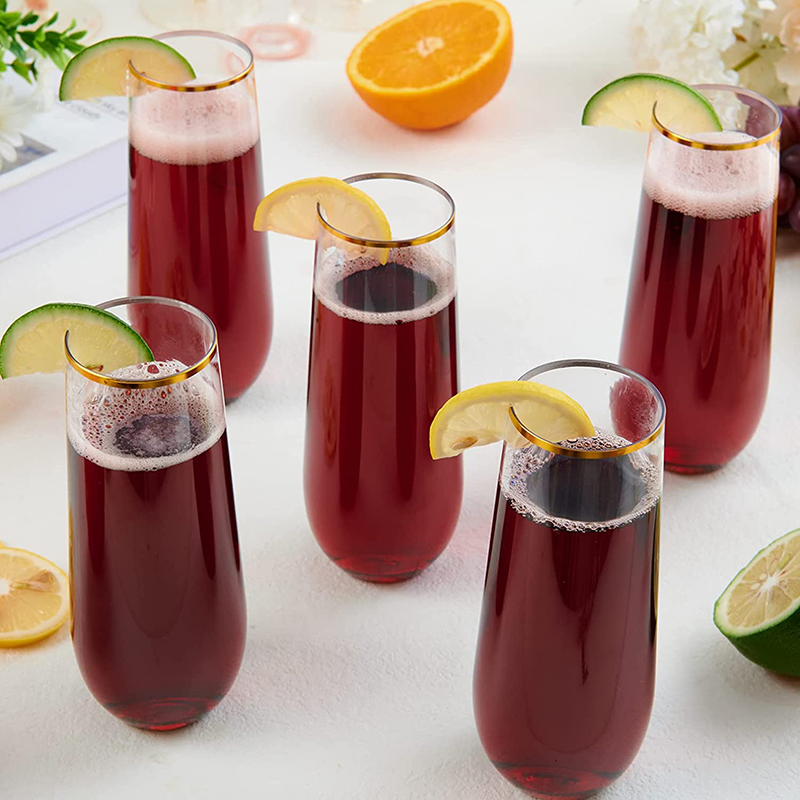
Expectation bias might be part of the equation, but when looking at actual data from double blind tests, there really are some noticeable differences. People tend to spot those secondary notes like leather and tobacco about a quarter more often when tasting wines in those specialized glasses rather than just regular old tumblers. Still worth noting though, once we get past the mid priced options, the extra money spent on top shelf glassware doesn't seem to pay off much in practice. Most folks probably won't see significant gains beyond what already exists in decent quality glassware anyway.
Rim Design and Its Effect on Wine Delivery to the Palate
The rim acts as the final control point in wine delivery, shaping flow dynamics and initial contact with the palate. Its diameter and contour determine where wine first interacts with taste receptors, subtly modulating flavor perception.
How Rim Diameter Controls Flow Rate and Initial Taste Contact
When a glass has narrow rims measuring around 40 mm or so, it actually speeds up how wine flows into the mouth. This directs the liquid straight toward the middle part of the tongue where people tend to notice sweet and sour flavors most. That's why these types of glasses work really well for crisp white wines such as Sauvignon Blanc. On the flip side, wider rims that measure roughly between 50 and 60 mm create a slower pour. This lets heavier red wines coat the entire mouth area better, bringing out those strong tannin characteristics that many wine enthusiasts look for. Some research suggests that folks might perceive about 20 percent more acidity when they taste wine from these narrower glasses compared to regular ones. While not everyone agrees on the exact numbers, most experienced tasters will tell you there's definitely something different about how wine feels in the mouth depending on rim width.
Rim Shape and Targeted Delivery to Specific Taste Zones on the Tongue
Wine glasses with flared edges actually direct the drink towards the front part of our tongues, which really brings out those sweet, fruity flavors we love in wines such as Riesling. On the flip side, glasses that narrow at the top send wine right to the middle area of the mouth where we taste saltiness and umami best, so these work great for older reds like Barolo or those Sherry types that have developed over time. Sure, the old idea about specific taste zones on the tongue isn't quite right anymore, but studies still show different parts react differently to various tastes. Bitter flavors tend to hit hardest at the back of the throat, which explains why many sparkling wine glasses now don't have stems - they help prevent that unpleasant bitter finish after drinking.
Bowl Size and Aeration: Optimizing Oxygen Exposure for Flavor Development
Surface Area-to-Volume Ratio and Its Impact on Wine Oxidation and Bouquet Release
The shape of the bowl determines how much oxygen interacts with wine through its surface area compared to volume. Big bowls holding around 10 to 20 ounces are commonly used for red wines and actually let about 40 to 60 percent more wine come into contact with air than those narrow glasses typically reserved for whites. According to research from the University of Tokyo back in 2022, this increased exposure speeds up the evaporation of alcohol and releases more of those volatile compounds. For reds like Cabernet Sauvignon and Syrah, this means their harsh tannins tend to mellow out over time. Pinot Noir gets something special too with its black fruit aromas becoming more pronounced. On the flip side, smaller bowls ranging from 6 to 9 ounces restrict oxygen interaction significantly, keeping things fresh for wines such as Sauvignon Blanc where that bright citrus acidity needs protection. These little glasses basically control oxygen flow at around 25 to 30 milliliters per minute during tasting.
How Swirling Dynamics and Bowl Shape Enhance Aeration and Flavor Evolution
Bowls that are wider with curves around 50 to maybe even 70 mm work really well for swirling wine around. When this happens, little whirlpools form which actually boost how much air touches the liquid by roughly three to five times according to Coravin's research from 2023. What does this mean? Well, it frees up about 18 to 22 percent more of those fancy compounds called esters and terpenes in white wines that have strong aromas. Then there's the shape of Burgundy style glasses where the rim tapers inward. These kinds of glasses direct all those lovely smells right into our noses. Some testing showed people could detect these aromas about 31% quicker compared to regular glasses with straight sides. And when we talk about full bodied red wines, look for glasses where the height is at least 1.3 times wider than they are tall. This special proportion helps maintain those evaporation patterns throughout each sip, making the taste linger longer on the palate.
Glass Design Variations Across Wine Types: Red, White, Rosé, and Sparkling
Red wine glasses: Bordeaux vs. Burgundy – matching shape to tannin and body
Bordeaux glasses, with their tall, broad bowls, accelerate oxidation to soften tannins in full-bodied reds like Cabernet Sauvignon. Burgundy glasses, wider and shorter, maximize surface exposure for delicate Pinot Noirs and direct wine to the tongue’s tip, balancing fruit and acidity.
White and rosé wine glasses: Smaller bowls for preserving freshness and acidity
Narrow-rimmed, smaller bowls reduce oxygen contact, preserving temperature and volatile aromas in whites like Sauvignon Blanc. The tapered shape enhances citrus and floral notes by directing wine to acid-sensitive regions. Rosé-specific glasses feature outward-curving rims to lift subtle berry fragrances while maintaining chill.
Sparkling wine vessels: Flute vs. tulip vs. white wine glass – aroma vs. effervescence
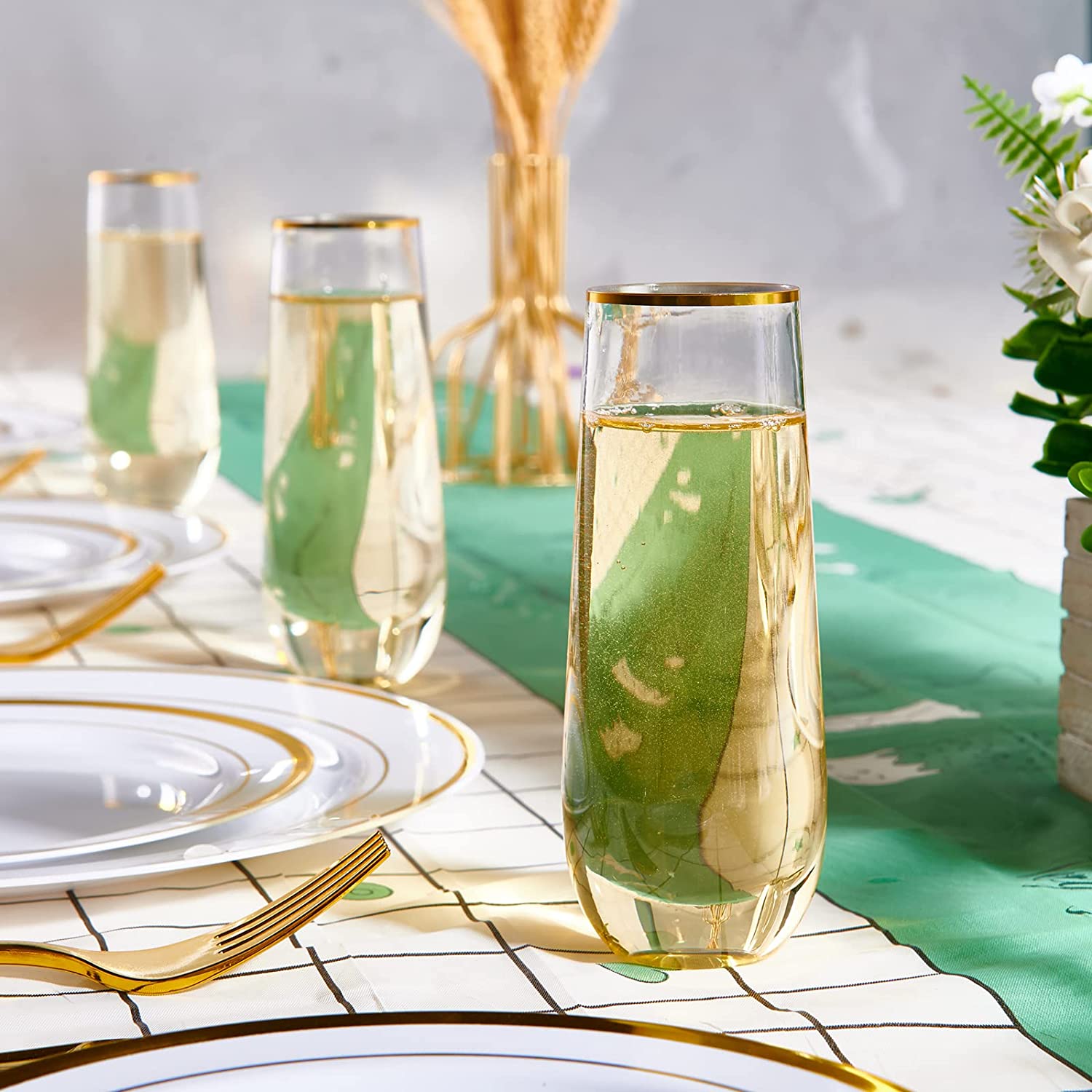
Flutes preserve bubbles through narrow profiles but restrict aroma development. Tulip glasses balance carbonation retention with a wider midsection for bouquet expression. For complex vintage Champagnes, white wine glasses allow full aromatic evolution—trading some effervescence for depth.
Tailoring glassware to champagne style (vintage, blanc de blancs, rosé)
Vintage cuvées benefit from tulip glasses that support oxidative notes like hazelnut. Blanc de blancs shines in Chardonnay-specific shapes that highlight citrus and yeast character. Fuller rosé Champagnes express texture in tulip forms, while fruit-forward styles retain freshness in flutes.
FAQ
What role does wine glass shape play in aroma release?
Wine glass shape influences how aroma compounds are concentrated and directed towards the nose, enhancing the olfactory experience.
How does rim design affect wine taste?
Rim design, including its diameter and shape, controls the flow rate of wine and affects how different taste zones on the tongue are stimulated.
Why is bowl size important for wine?
Bowl size affects oxygen exposure and swirling dynamics, crucial for developing flavors in different wine types.
Are more expensive wine glasses really better?
While premium glasses can highlight certain flavors, beyond a certain price point, most users may not notice significant differences from quality mid-priced options.
What is the ideal glass for sparkling wine?
The ideal glass depends on the sparkling wine's style; tulip glasses offer a balance between aroma and carbonation, while flutes preserve effervescence.