 EN
EN

Why the Yard Cup Went Viral at Universal Studios and Beyond
Social media fueling the yard cup phenomenon: TikTok, Instagram, and FOMO-driven demand
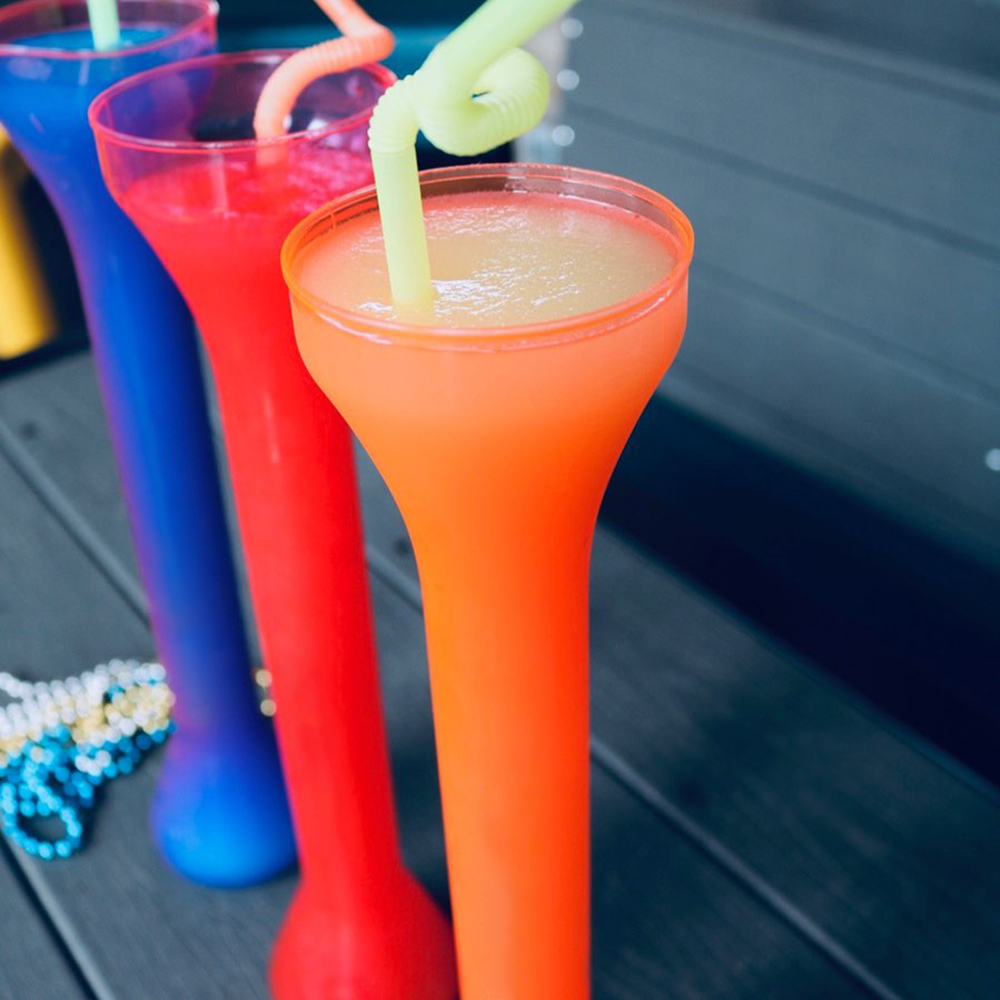
Theme park fans kicked off the yard cup phenomenon by posting pictures of those giant drinks all over TikTok and Instagram. Clips showing off these enormous cups - usually held next to famous park spots or with bright refill stations in the background - just took off like wildfire, racking up something like 60 million views across platforms. What started as basic drink holders suddenly became this hot item everyone wanted to own. People got really caught up in not wanting to miss out, so they'd actually plan trips just to grab one of those "Insta-worthy" souvenirs. Once folks started showing off their expanding collections online, parks noticed an explosion in interest for special edition cups linked to holidays or big attractions. Now every new design drop feels like its own little party on social media.
How oversized drink vessels reshaped guest expectations and on-site beverage consumption
Major theme parks saw a huge jump in drink sales after introducing those giant yard cups, with one recent report showing around 40% growth in 2023. These massive containers hold anywhere between 32 and 48 ounces, so visitors tend to stay longer at the park and keep refilling throughout the day, which naturally increases what each guest spends overall. What's interesting though is how people started valuing the cups themselves. According to surveys, about two thirds of park goers actually bought their drinks mainly because of the cup design, beating out regular souvenirs like t-shirts or keychains. Now most parks are getting creative with these cups, adding special edition art work, limited color options, and even different lid designs that fans can swap out. The goal isn't just selling drinks anymore but creating something guests want to take home and remember their visit by, turning what used to be trash into keepsakes instead.
Food-Grade Safety and Regulatory Compliance for Yard Cups
Material science matters: FDA-compliant plastics and BPA-free alternatives in yard cup production
When it comes to yard cups, safety takes top priority. Most makers go for food grade plastics that won't let chemicals seep into what we drink. HDPE plastic (number 2 recycling symbol) and PP plastic (number 5) are pretty much standard choices these days. Why? Because they hold up well when sitting with drinks for hours on end. These materials don't contain BPA either, which is good news for health conscious folks. They also meet all those FDA requirements listed in section 177.1520 of title 21 CFR. Basically, this means the cups can handle everything from citrusy sodas to hot coffee without breaking down or warping.
| Material | Max Safe Temp | Cold Retention | Leaching Risk |
|---|---|---|---|
| PP (#5) | 160°F | 4+ hours | Low |
| HDPE (#2) | 145°F | 3.5 hours | Low-Moderate |
Independent testing shows PP maintains structural integrity after more than eight hours of exposure to citrus-based beverages, making it particularly suitable for theme park environments where drinks are refilled and consumed over extended periods.
Meeting theme park health codes—and why 'food-grade' isn’t just marketing
Getting food grade certified isn't just good for marketing, it's actually required by law. For theme parks specifically, they need materials that have passed migration tests where chemicals can't transfer at levels above 0.05 parts per million when used normally. When the FDA gives their stamp of approval, it means these materials still work safely even after being washed multiple times and exposed to heat stress over time. Regular food safe labels don't cut it though. Real food grade status comes from detailed records of how things are made plus regular testing on each batch produced. This helps protect against legal problems especially when serving huge numbers of people every day. With all this strict checking, amusement parks can keep feeding millions of visitors without worrying about health issues arising from their equipment.
Yard Cups as Strategic Merchandise: Design, Collectibility, and Revenue Impact
Themed yard cups as high-margin souvenirs: From functional item to limited-edition collectible
Yard cups at theme parks aren't just for holding drinks anymore they've become something else entirely now. Parks are marketing them as premium collectibles through limited runs and special designs that people want to own. Think about those seasonal cups with holiday characters or anniversary editions that only last a few weeks before disappearing forever. The 2023 Theme Park Merchandise Report shows around 40% of visitors actively look for these special cups when they visit. What's interesting is how this creates loyalty among fans who keep coming back specifically for new releases. Most collectors hold onto their cups for years rather than tossing them after one trip, unlike regular souvenirs which tend to gather dust much faster. When parks turn simple drinkware into coveted memorabilia, they essentially build a recurring revenue stream every time they unveil another design.
Data spotlight: How yard cup upsells increased average transaction value at Universal Studios
Yard cup programs really work when it comes to getting guests to spend more money. Take a big name theme park company for instance they added about twelve bucks extra on top of an eight dollar regular drink and saw their yearly beverage sales jump somewhere around sixty two percent. What's even better? The average amount people spent per visit went up about fifteen percent too. People who bought those fancy cups would often grab some snacks or pick up souvenirs while they were there. So basically what we're seeing here is a pretty significant effect on both wallet size and shopping behavior.
| Revenue Driver | Standard Drink | Yard Cup Program | Change |
|---|---|---|---|
| Base beverage price | $8.00 | $8.00 | - |
| Cup premium | - | +$12.00 | +150% |
| ATV increase | $0 | +15% | $9.60* |
| Annual beverage revenue | $1.2M | $1.94M | +62% |
*Based on $64 average transaction before cup program (Theme Park Merchandise Report 2023)
Sustainability Pressures: Reusability, Waste, and the Future of the Yard Cup
The problem with disposable yard cups is how much trash they create for our environment. Take a big stadium that holds around 300 events each year, for instance. Those places end up producing something like 5.4 million single use cups every year, which adds up to roughly 63.75 tons going straight into landfills according to PRNewswire from 2021. Many event organizers are starting to catch on though. About two thirds of them have switched to reusable yard cup programs as reported by Sustainable Partyware Initiative last year. These programs follow what's called circular models that cut down on resources needed overall. The tricky part comes when theme parks try to balance the popularity of their branded merchandise with greener alternatives. They need cups that fans actually want to keep but also won't break after a few uses. Manufacturers are making durable options free from BPA that can handle countless washes without falling apart. What we might see next includes things like cups made from plant based materials or better deposit return systems. These changes would maintain the fun aspect of yard cups while helping protect nature at the same time.
FAQ
What are yard cups?
Yard cups are oversized drink vessels often found at theme parks or large venues, usually holding between 32 to 48 ounces and often sold with enormous drinks as souvenirs.
Why have yard cups become popular?
Yard cups have gained popularity on social media platforms like TikTok and Instagram, driving demand due to their Insta-worthy designs and functionality, which extends beyond just being drink holders.
Are yard cups safe to use?
Yes, yard cups produced by reputable manufacturers use FDA-compliant plastics that are BPA-free and meet specific safety standards to ensure they do not leach chemicals into beverages.
Can yard cups help the environment?
Though disposable yard cups contribute to waste, switching to reusable versions can significantly reduce environmental impact. Many event organizers are adopting sustainable practices to counteract the negative effects.