 EN
EN

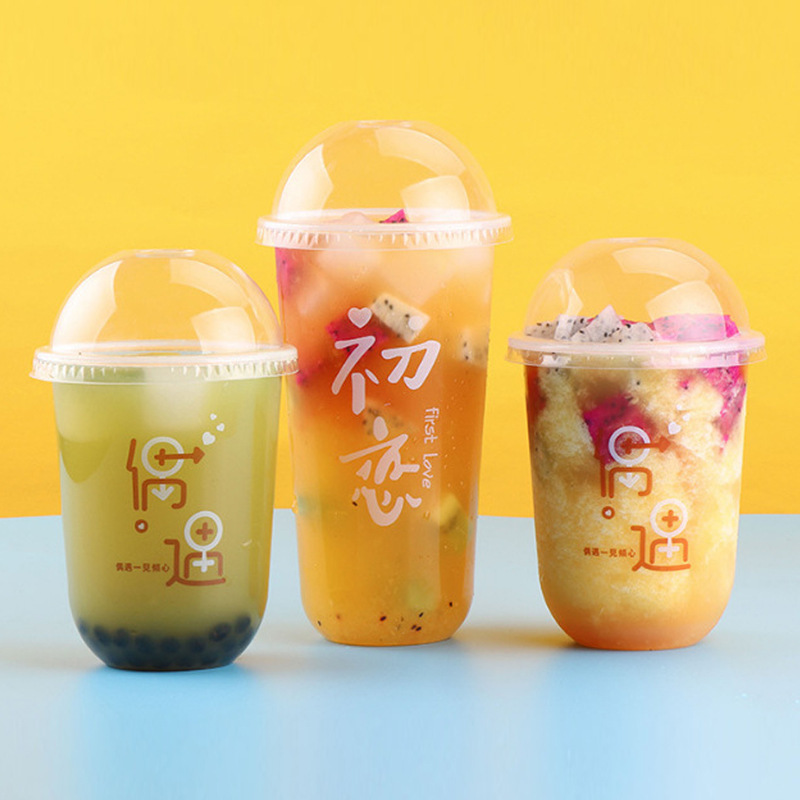
Leak-Proof Lid Technologies for Reliable On-the-Go Use
Modern disposable cup designs prioritize leak resistance through precision-engineered sealing systems—ensuring spill-free mobility without compromising beverage integrity.
Advanced Sealing Mechanisms in Disposable Cup Lids
The best quality lids incorporate what we call dual-seal tech. Basically, they combine a food safe silicone ring with a specially shaped snap lock edge. Together, these elements form an air tight seal that stays stable even when pressure changes happen during shipping or storage. The design also handles small temperature fluctuations without breaking down. Another smart feature is the reinforced corners which stop the lid from bending out of shape when exposed to heat or cold extremes something that really matters for keeping seals intact in everyday situations. Lab tests following ASTM standards show this kind of construction cuts down on leaks by about 92 percent over regular single seal options available on the market today.
Flat, Dome, and Sip-Through Lids: Matching Design to Mobility Needs
Lid profile directly influences performance during movement:
| Lid Type | Best Use Case | Mobility Benefit |
|---|---|---|
| Flat | Short-distance commuting | Fits securely under car cup holders |
| Dome | Carbonated beverages | Accommodates foam expansion; prevents overflow |
| Sip-Through | Walking with one hand | Enables no-spill sipping without lid removal |
Dome lids provide 40% more internal expansion volume than flat variants (2023 Packaging Innovation Benchmark), effectively absorbing kinetic energy from sudden stops or jostling—critical for urban transit.
Balancing Security and One-Handed Usability in Transit
The torque release design makes sure that lids need somewhere between 3 and 5 pounds of twisting force before they'll pop open. This balance stops them from accidentally coming loose when bags get shaken around or compressed, but still allows most people to open them easily with just their thumbs. Manufacturers also added those textured grip areas plus those little sliding tabs that make it easier to handle while moving around. When we tested this with over 100 regular commuters last year, they reported way fewer spills happening on bumpy rides like subway cars and city buses. The improvement was actually pretty impressive too, cutting down spill incidents by almost four fifths without making the containers harder to get into when needed.
Ergonomic Cup Design: Size, Shape, and Portability Optimization
Most vehicles, bikes, and strollers have cup holders that work well with our 3.5 inch base diameter design. About 98% compatibility means people won't struggle finding somewhere to put their drink when they're out and about. And since roughly 78% of American adults bring drinks in their cars regularly, this really hits a nerve for consumers who hate fumbling with ill-fitting cups. The standardized size lets bottles stack neatly from 12 oz all the way up to 24 oz without tipping over on store shelves or kitchen counters. We went with a simple cylinder shape because it takes up less room in backpacks and purses compared to weirdly shaped alternatives. A slight narrowing at the bottom keeps drinks standing upright even on bumpy sidewalks or park benches. All these measurements weren't random decisions either. They were made thinking ahead about how products need to work together in the real world, not just look good sitting alone on a table.
Weight Distribution, Grip Features, and Safe Handling While Moving
When designing cups for everyday use, getting the weight right matters a lot. The best ones put most of their mass toward the bottom, so they don't tip over easily when someone takes a sip. Reinforced bases help balance out those heavy liquids too, which becomes really important when the cup is only partially full. What makes these cups stand out? They've got those tiny ribs on the surface that match where fingers naturally fall, giving better grip and making hands less tired after holding them for hours on buses or trains. Inside, there's a double wall setup that keeps drinks at just the right temperature without making the whole thing thick and bulky. Most stay well under six ounces even when filled up completely, so carrying around doesn't hurt wrists like those heavier alternatives do. All these little details work together to stop spills, prevent accidents, and keep coffee from spilling all over clothes while rushing between stops or getting onto crowded public transport.
Material and Beverage Compatibility: Matching Plastic Cups to Drink Types
Choosing the right materials makes all the difference when it comes to how well something functions. Take PET plastic, also known as polyethylene terephthalate. This stuff is super clear, which works great for drinks where people want to see what they're getting, especially cold beverages. It stays firm in temperatures ranging from minus four degrees Celsius to around room temperature at 25 degrees. However, problems start showing up when things get hotter than about 70 degrees Celsius because the lids tend to lose their grip, so it's not really good for anything warm. On the other hand, PP or polypropylene handles much better in heat situations. It can take temperatures all the way up to 100 degrees Celsius without compromising the seal on containers. That's why most coffee cups and tea mugs are made from this material instead of PET. Sure, PP isn't quite as transparent, but nobody complains about seeing through their morning brew anyway.
| Property | PET | PP |
|---|---|---|
| Clarity | Crystal-clear | Slightly translucent |
| Max Temp | 70°C (lid adhesion fails) | 100°C (stable seal) |
| Best For | Iced drinks, visual appeal | Hot beverages, heat retention |
Optimal Lid and Cup Pairings for Hot, Cold, Carbonated, and Thick Beverages
- Hot drinks: PP cups with heat-rated snap-on lids manage steam pressure and maintain seal integrity at serving temperatures.
- Cold/carbonated drinks: PET cups paired with tight-seal flat lids preserve CO₂ saturation; dome lids add splash protection for fizzy beverages.
- Thick beverages: Wide-diameter PP cups with secure sip-through lids accommodate large-bore straws and resist internal pressure buildup from shaking or agitation—essential for smoothies and boba tea.
FAQ
What is the primary advantage of dual-seal technology in cup lids?
Dual-seal technology offers an air-tight seal that remains secure even during shipments and temperature changes, significantly reducing leaks.
How does the design of dome lids benefit the user in transportation?
Dome lids provide more internal expansion volume, absorbing kinetic energy from jostling and preventing overflow, crucial for urban transit.
What material is best for hot beverages and why?
Polypropylene (PP) is best for hot beverages as it withstands high temperatures and maintains lid seal integrity, unlike PET plastic.