 EN
EN

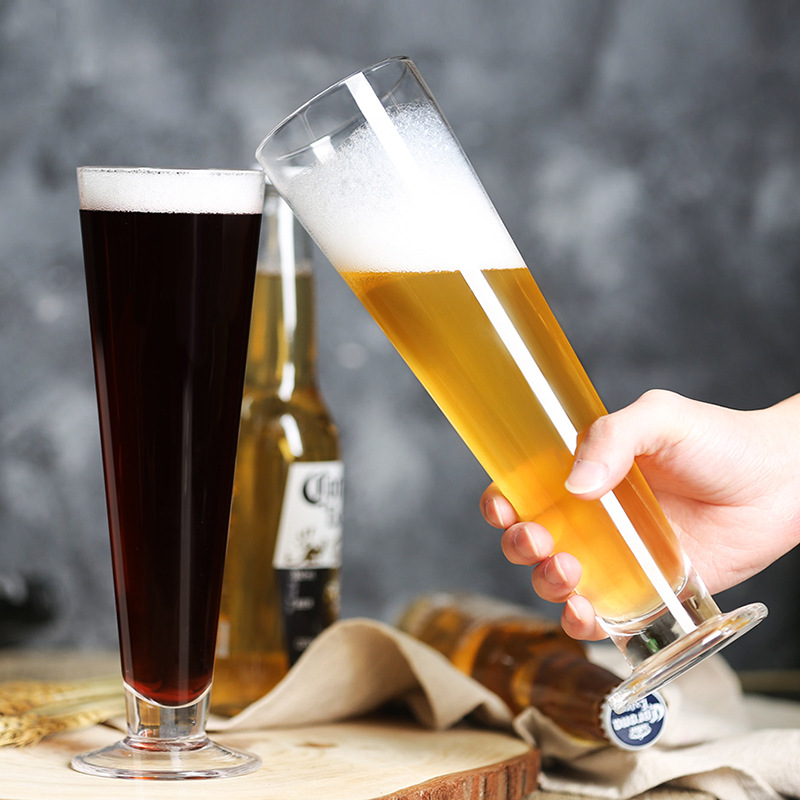
Food Safety First: How FDA-Compliant Beer Glass Prevents Contamination
Understanding FDA Food-Grade Certification for Beer Glass
Beer glasses that follow FDA guidelines go through all sorts of testing to satisfy those strict FDA rules about what touches our food and drinks. The whole point is making sure nothing bad gets into our beverages. This matters a lot for beers since they're both carbonated and acidic with their pH usually sitting around 4 to 4.5. That combination makes chemicals want to leach out faster from whatever container holds them. To check if materials are safe, manufacturers run these special tests with substances that mimic actual foods and drinks, including alcohol solutions, basically putting them through what happens when someone uses them day after day for years on end. Some cheaper plastics can actually let out stuff called endocrine disruptors, notably BPA, which has been connected to health problems according to more than 120 scientific studies published in reputable journals back in 2023 by NIH. Better options exist though. Polymers certified as food grade, take Tritan Copolyester for instance, don't have this problem because their molecules just stay put and don't react much at all. The FDA even gave them their GRAS stamp of approval, meaning most experts agree they're safe.
Leaching Risks of Non-Food-Grade Plastics in Cold, Carbonated Beverages
Changes in temperature plus carbonation really boost how chemicals move out of plastics that haven't been certified. Research from Plymouth University back in 2017 showed something alarming: around 70% of drink containers not tested beforehand let out lead or cadmium when put in contact with cold acidic drinks. Some even contaminated beverages at levels reaching 400,000 parts per billion! That's way above safe limits. Beer glasses made according to FDA standards completely sidestep this problem because they use materials listed as generally recognized as safe (GRAS). These materials are designed specifically to hold up against what happens during normal serving conditions. So no harmful stuff gets into the drink, flavors stay true, and people can enjoy their beverages without worrying about health risks.
Unmatched Durability: Why Plastic Beer Glass Excels in Outdoor Environments
Impact Resistance and Real-World Performance vs. Traditional Glass
Regular glass tends to break when hit with just 1,800 pounds per square inch of force, which can lead to injuries and all sorts of problems for businesses. But these new plastic beer glasses made from high performance materials are something else entirely. They handle way more pressure, around 10,000 psi actually, and most survive being dropped four feet onto concrete floors according to lab tests. What makes them so tough is how the plastic bends instead of cracking when impacted. At music festivals where thousands of drinks are served, this means far fewer broken glasses flying around. The difference shows up in real numbers too. Venues report about 75% fewer breakage incidents compared to traditional glassware. And financially speaking, operators save roughly 60% on replacements while keeping their bars running smoothly even during busy rush hours when every second counts.
UV Stability, Thermal Tolerance, and Humidity Resistance for All-Day Use
Outdoor plastics left unprotected tend to lose about 40% of their structural strength after just five years in the sun. The FDA approved beer glasses we see today actually contain special UV blocking materials that keep around 95% of their original strength even after 10,000 hours in lab tests simulating harsh weather conditions. That kind of testing basically equals what most products would experience over ten years sitting out in direct sunlight. These glasses stay stable in size no matter how hot or cold it gets, from freezing temps down at -4 degrees Fahrenheit all the way up to boiling water at 212 F. They also handle humidity really well, whether near coastlines where salt air hangs around or in damp environments generally. Plus they don't warp or get cloudy when going through multiple heating and cooling cycles. For those made from polypropylene specifically, there's another benefit too. They stand up against chemicals found in common cleaning solutions and even acidic drinks without breaking down over time. This means clearer glassware for longer periods and better tasting beverages since nothing gets absorbed into the material itself.
Key endurance advantages include:
- 3X lifespan vs. unstabilized plastics in high-sunlight regions
- Zero moisture warping, even in coastal environments
- 100+ dishwasher cycles without performance loss
Elevating Guest Experience and Streamlining Operations at Outdoor Events
Psychological and Behavioral Benefits of Unbreakable Beer Glass
When people don't have to worry about breaking their beer glasses, they tend to relax more around their drinks. Guests can actually enjoy themselves without constantly checking where they're standing, whether it's near a pool area, out on the lawn, or at some packed music festival. The peace of mind makes folks stick around longer too. Bars and restaurants have noticed this pattern, seeing roughly a quarter more time spent by customers when these tough drink containers are used. These high quality plastic cups feel almost like regular glass in terms of how heavy they are, how clear they look, and even the way they feel in hand. People appreciate their beverages better because they aren't fumbling around trying not to drop them. And since there's absolutely zero stress about shattered glass everywhere, conversations flow better and everyone just enjoys each other's company more naturally.
Operational Gains: Faster Service, Reduced Breakage Costs, and Safer Staff Workflow
Switching to plastic beer glasses makes serving at busy bars much easier for staff. Servers can actually pour drinks about 35% quicker since they don't have to worry about handling delicate glassware anymore, which really helps when there's a rush at the bar. According to research from the Ponemon Institute back in 2023, every time a glass breaks, places lose around $740 worth of money covering things like cleaning up after the mess, potential injuries, and buying new glasses. Plastic options eliminate all these headaches completely while still meeting safety standards. The improvements aren't just theoretical either these real world benefits translate directly into better operation and fewer problems down the line.
| Operational Impact | Result |
|---|---|
| Staff injury reduction | 62% decrease in laceration reports |
| Breakage-related downtime | 19 fewer minutes per 1,000 servings |
| Waste management efficiency | 840 lbs less sharp debris per event |
This shift also allows safety personnel to focus on guest engagement—enhancing experience while maintaining regulatory compliance.
Sustainability Considerations for Reusable Plastic Beer Glass
The switch to reusable plastic beer glasses actually makes good business sense for both the environment and wallet. A single glass can take the place of around 300 throwaway cups during its lifetime, which means less trash ending up in landfills and fewer single-use plastics going into circulation. These days, manufacturers are using materials like polypropylene and recycled PET that hold up pretty well after being run through commercial dishwashers hundreds of times without losing their shape or becoming cloudy. The best part? When these materials get properly gathered and processed again, they help create what's called a closed loop system where new drinkware gets made without needing fresh raw materials. From an operator standpoint, ditching disposables saves between 60 to 80 percent on ongoing cup purchases according to industry numbers. Plus, bars and restaurants that make this change often find their customers appreciate the effort toward sustainability, which helps build stronger relationships with patrons who care about eco-friendly practices.
FAQ Section
What makes a beer glass FDA-compliant?
FDA-compliant beer glasses are manufactured following strict guidelines to ensure they do not leach harmful chemicals into beverages. They undergo rigorous testing with substances that mimic real foods and beverages.
Why is the use of non-food-grade plastics risky for beverages?
Non-food-grade plastics can leach harmful chemicals when in contact with acidic, carbonated drinks, especially under changing temperatures. This can lead to health risks from contaminants like lead and cadmium.
How does using plastic beer glasses benefit outdoor events?
Plastic beer glasses are impact-resistant, durable, and maintain their integrity under various environmental conditions, reducing the risk of breakage and ensuring a safer, more enjoyable event.
Are reusable plastic beer glasses environmentally friendly?
Yes, they are more eco-friendly as they reduce landfill waste by replacing single-use plastics. They can also be recycled, contributing to a closed-loop system.